Understanding Tuberculosis Treatment in Jamtara
Tuberculosis (TB), a bacterial infection primarily affecting the lungs, remains a significant public health challenge in India, and Jamtara district in Jharkhand is no exception. We often see a strong resolve in people affected by TB to seek and complete therapy.
The journey, while demanding, is entirely manageable with the right approach and unwavering support. This guide, written from a physician's perspective, outlines the crucial aspects of TB therapy available in Jamtara, drawing upon national guidelines and local healthcare initiatives.
The reality is, timely and complete management is the cornerstone of TB eradication. In Jamtara, as across India, the National Tuberculosis Elimination Programme (NTEP), formerly RNTCP, spearheads the fight against this disease.
This program ensures that essential diagnostics and a full course of anti-TB drugs are available free of charge to all citizens. You'll notice that dedicated health workers play a vital role in this ecosystem, offering consistent support.
That alone changes everything.
Diagnosis: The First Vital Step
Accurate diagnosis is crucial before initiating any approach. In Jamtara, several diagnostic methods are employed to confirm TB and identify its type.
Microscopic Examination
Sputum microscopy remains a frontline diagnostic tool. A sample of sputum (phlegm) is collected and examined under a microscope for the presence of Mycobacterium tuberculosis, the bacterium responsible for TB. This method is quick and cost-effective. In India, approximately 50% of pulmonary TB cases are detected through sputum microscopy (ICMR data).
Molecular Diagnostics
More advanced tests like the GeneXpert MTB/RIF assay are increasingly available. This molecular test not only detects the TB bacteria but also identifies resistance to Rifampicin, a key anti-TB drug, in under two hours. Early detection of drug resistance is vital for tailoring powerful therapy.
Imaging Techniques
Chest X-rays and CT scans assist physicians in visualizing the extent of lung involvement and identifying characteristic lesions suggestive of TB, especially in cases where sputum tests are negative.
Drug Susceptibility Testing (DST)
For individuals with suspected or confirmed drug-resistant TB (DR-TB), further DST is performed. This helps determine which specific anti-TB drugs will be successful against the particular strain of the bacteria infecting the person.
approach Regimens: A Course to Recovery
TB intervention involves a combination of powerful antibiotics taken over an extended period. The standard approach, guided by WHO and national guidelines, is highly impactful when followed diligently.
Standard Drug-Resistant TB (DR-TB) Therapy
For drug-susceptible TB, the standard therapy regimen typically lasts for six months. This involves an intensive phase of two months with four drugs, followed by a continuation phase of four months with two drugs.
The drugs commonly used include Isoniazid, Rifampicin, Pyrazinamide, and Ethambutol. Adherence to this schedule is paramount for a complete cure and preventing the development of drug resistance.
management for Drug-Resistant TB (DR-TB)
Drug-resistant TB requires a longer, more complex therapy plan, often lasting 9-20 months. The specific drugs used depend on the type of resistance identified through DST.
These regimens are carefully managed by specialists due to potential side effects and the need for close monitoring. The reality is, managing DR-TB demands marked patient commitment and robust healthcare support.
Recovery is rarely linear.
Directly Observed approach, Short-course (DOTS)
The DOTS strategy is the cornerstone of TB control worldwide and is rigorously implemented in Jamtara. Under DOTS, a trained health worker or volunteer (a DOT provider) observes the patient ingesting their anti-TB medication daily.
This ensures adherence, reduces the risk of missed doses, and builds a supportive relationship between the patient and the healthcare provider. You'll notice that this direct observation is key to intervention success, particularly in resource-limited settings.
What most people miss: the psychological burden of a long approach course can be immense. Living with TB is genuinely hard, and the daily commitment required for DOTS can feel overwhelming. Does this sound familiar?
The Role of Support Systems
Beyond medication, comprehensive support is vital for successful TB care. This includes nutritional support, counseling, and community engagement.
Nutritional Support
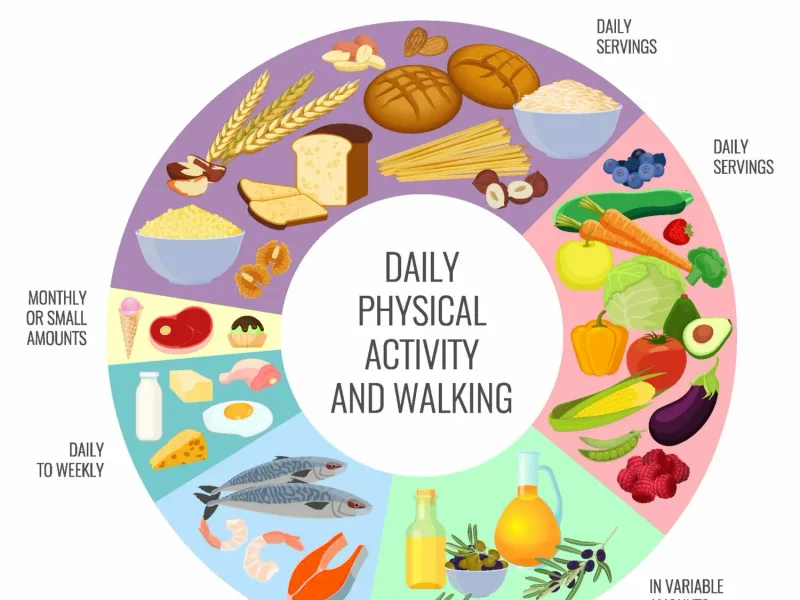
A well-balanced diet is crucial for strengthening the body's immune response and aiding recovery. The NTEP often incorporates nutritional support programs, providing supplements or food assistance to patients, especially those from economically weaker sections.
That's the part worth remembering.
India has over 77 million people living with diabetes (IDF, 2023), a condition that can complicate TB recovery, underscoring the need for holistic care.
Counseling and Psycho-social Support
Dealing with a chronic illness like TB can lead to anxiety, depression, and social stigma. Access to counseling services and psycho-social support groups enables people to cope better with their problem and intervention. Have you ever wondered why mental well-being is so critical in physical recovery?
Community Engagement
Involving community members and local organizations in TB awareness and patient support initiatives strengthens the overall healthcare infrastructure. Local health workers in Jamtara are often the first point of contact, providing not just medication but also vital encouragement.
Challenges and Solutions in Jamtara
While the framework for TB management is robust, challenges persist. These can include geographical barriers to accessing healthcare facilities, socio-economic factors affecting adherence, and the potential for drug resistance.
Addressing Geographical Barriers
Efforts are underway to decentralize TB services, bringing diagnostics and approach closer to communities. Mobile diagnostic units and increased numbers of DOT providers in remote areas help bridge the accessibility gap.
The numbers don't lie.
Combating Stigma
Public awareness campaigns play a crucial role in demystifying TB and reducing the stigma associated with it. Educating communities about TB being a curable disease, not a lifelong stigma, is a key objective. We often see that a supportive community environment significantly boosts a patient's morale.
Monitoring and Follow-up
Regular follow-up appointments with physicians and laboratory monitoring are essential to track approach progress, manage side effects, and ensure therapy completion. This vigilance helps prevent management failure and the emergence of drug resistance.
The Path Forward: A Collaborative Effort
The fight against TB in Jamtara requires a collective effort from healthcare providers, sufferers, communities, and policymakers. By understanding the therapy process, adhering to prescribed regimens, and seeking support when needed, individuals can successfully overcome TB.
The success of TB elimination hinges on ensuring every affected person receives timely, proven, and compassionate care. Enhancing healthcare access and patient education are vital steps.
Remember, TB is curable. With the right intervention and support, a full recovery is absolutely achievable. Your commitment to completing the therapy is the most impactful step you can take towards reclaiming your health and contributing to a healthier Jamtara.
That's the part worth remembering.
Key Takeaways
- TB intervention in Jamtara follows the National Tuberculosis Elimination Programme (NTEP) guidelines.
- Diagnosis involves sputum microscopy, molecular tests (like GeneXpert), and imaging, with a 6-month standard regimen for drug-susceptible TB.
- Drug-resistant TB requires longer, specialized therapy (9-20 months) guided by Drug Susceptibility Testing (DST).
- The DOTS strategy, involving direct observation of medication intake, is crucial for ensuring management adherence.
- Nutritional support, counseling, and community engagement are vital components of holistic TB care.
Frequently Asked Questions
What are the main symptoms of TB?
Common indicators include a persistent cough (lasting over two weeks), sometimes with blood or phlegm, chest pain, fever, chills, and night sweats. Unexplained weight loss and fatigue are also marked indicators.
How long does TB intervention typically last?
For standard drug-susceptible TB, the care course is usually six months. Drug-resistant TB requires a significantly longer duration, ranging from 9 to 20 months, depending on the specific resistance patterns.
Can TB be cured?
Yes, TB is a curable disease. With consistent adherence to the prescribed approach regimen and appropriate medical support, most people can be completely cured.
What is DOTS therapy?
DOTS stands for Directly Observed approach, Short-course. It is a strategy where a healthcare worker or trained volunteer watches the patient take their TB medication daily to ensure they complete the full course.
Always consult a qualified physician before making medical decisions.