Understanding Tuberculosis (TB) in Khagaria
Tuberculosis, commonly known as TB, remains a significant public health challenge in many regions, including Khagaria, Bihar. We often see people grappling with its effects. This infectious disease, primarily caused by the bacterium Mycobacterium tuberculosis, typically affects the lungs but can impact other parts of the body. Prompt and correct treatment is crucial for recovery and preventing further spread. Understanding the TB therapy landscape in Khagaria is vital for both patients and their families.
The TB therapy Approach: DOTS Explained
The cornerstone of TB therapy globally, and a vital strategy in Khagaria, is the Directly Observed management, Short-course (DOTS) program. This approach, recommended by the World Health Organization (WHO), ensures individuals take their anti-TB drugs as prescribed.
A healthcare worker or trained volunteer (the 'observer') watches the patient swallow each dose.
Here's the thing: DOTS is designed to combat management interruptions, a major cause of drug resistance. Reliable adherence is key to eliminating the infection. The standard therapy duration is typically six months, involving a combination of different medications.
Phase 1: Intensive Phase
The initial phase lasts for two months. It involves four powerful drugs: Isoniazid, Rifampicin, Pyrazinamide, and Ethambutol. This intensive period aims to rapidly kill the majority of bacteria present. individuals might experience side effects during this phase, making close medical supervision essential.
Phase 2: Continuation Phase
Following the intensive phase, individuals move to a continuation phase, usually lasting four months. This phase typically uses two drugs: Isoniazid and Rifampicin. The goal here is to eliminate any remaining bacteria and prevent relapse. Completing this phase successfully significantly boosts the chances of a full recovery.
The numbers don't lie.
Diagnosis: The First Step to Healing
Accurate diagnosis is the critical first step in managing TB. In Khagaria, as elsewhere, physicians employ several methods. These include:
- Sputum Smear Microscopy: A simple test where a sample of coughed-up mucus (sputum) is examined under a microscope for the presence of TB bacteria. It’s a quick and accessible initial screening tool.
- Sputum Culture: This test grows the bacteria from a sputum sample, confirming the diagnosis and allowing for drug susceptibility testing. It takes longer but is more definitive.
- Nucleic Acid Amplification Tests (NAATs): These rapid molecular tests can detect TB bacteria DNA directly from sputum samples, offering faster results than culture.
- Chest X-ray: Imaging helps visualize any damage or characteristic spots in the lungs caused by TB.
- GeneXpert MTB/RIF: This automated test, increasingly available, detects TB and resistance to Rifampicin — a key drug — in about two hours. It’s a notable advancement for rapid diagnosis.
What most people miss is the importance of seeking medical help early. Delayed diagnosis can lead to more severe illness and wider transmission.
Challenges in TB care in Khagaria
While DOTS is a proven strategy, implementing it effectively faces hurdles. Socioeconomic factors, distance to healthcare facilities, and awareness levels can influence therapy adherence. Many people in rural areas, including parts of Khagaria, might find it difficult to attend daily observed sessions consistently.
Living with TB is genuinely hard, especially when coupled with daily life struggles. We must acknowledge the burden it places on individuals and families. Nutritional support and counselling are vital components often integrated into care programs.
Drug-Resistant Tuberculosis (DR-TB)
A major concern worldwide is the rise of drug-resistant TB. This occurs when TB bacteria develop resistance to one or more anti-TB drugs, often due to incomplete or incorrect approach.
DR-TB requires longer management durations (up to 24 months) with a different, often more complex, set of medications. Management of DR-TB necessitates specialized expertise and close monitoring for side effects.
Think about it this way: treating DR-TB is like fighting a tougher, more stubborn enemy that requires a different battle plan and more resources. Early detection of resistance is key to initiating the correct, albeit more challenging, therapy.
The numbers don't lie.
The Role of Healthcare Providers and Community Support
Physicians and healthcare workers in Khagaria play a vital role. They are on the front lines, diagnosing, prescribing, and monitoring therapy. Their dedication ensures that sufferers receive the best possible care. Community health workers are indispensable, acting as the crucial link between those affected and the healthcare system.
Worth knowing: Patient support groups and NGOs also provide invaluable assistance. They offer emotional encouragement, enable with logistics, and raise awareness about TB prevention and care. Strengthening this network is essential for bolstering TB control efforts.
Nutritional Support and Lifestyle Modifications
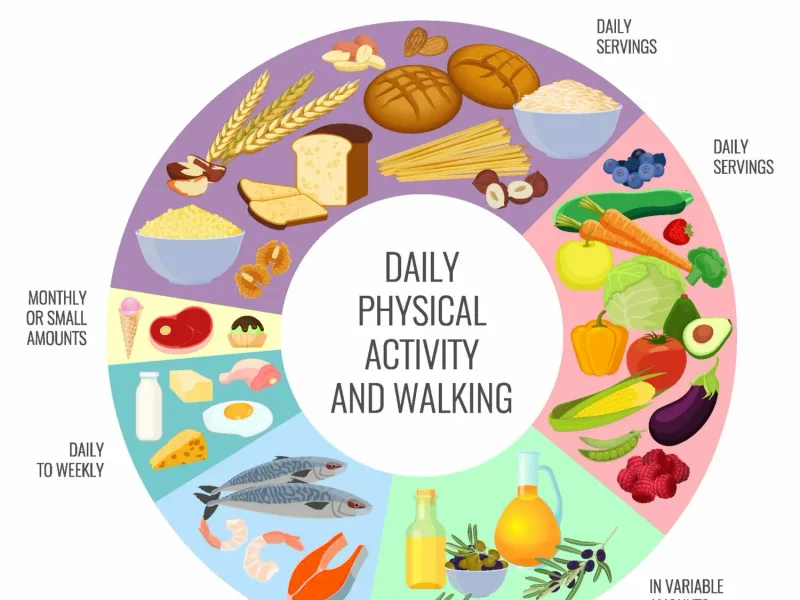
Proper nutrition is an often-underestimated factor in TB recovery. A balanced diet rich in proteins, vitamins, and minerals helps strengthen the body's immune system, enabling it to fight the infection more effectively.
Local health initiatives in Khagaria often include nutritional counselling and sometimes provide food supplements to those affected, especially those from economically weaker sections.
What's the bottom line here? Good nutrition helps the body heal faster and reduces the risk of therapy side effects. Simple dietary changes, like incorporating dal, seasonal vegetables, and fruits, can make a meaningful difference.
And yet, so many people miss it.
Preventing TB Transmission
While approach focuses on curing the infected individual, prevention strategies are equally important. These include:
- BCG Vaccination: This vaccine offers good protection against severe forms of TB in children.
- Infection Control: Encouraging people to cover their mouths when coughing or sneezing, ensuring good ventilation in living spaces, and avoiding crowded areas during the infectious period are vital.
- Awareness Campaigns: Educating the public about TB symptoms, transmission, and the importance of early diagnosis and therapy helps reduce stigma and encourage timely support-seeking.
Looking Ahead: Strengthening TB Care in Khagaria
The fight against TB in Khagaria requires a sustained, multi-pronged effort. Enhancing access to diagnostics, ensuring consistent drug supply, and providing robust patient support are key priorities.
Continuous training for healthcare professionals and community engagement are also crucial for improving outcomes. The goal is to make TB a curable and preventable disease for everyone in the region.
We believe that with dedicated care and community participation, we can significantly reduce the burden of TB. Let's work together to build a healthier Khagaria.
Frequently Asked Questions
How long does TB approach usually take?
Standard TB therapy, including the intensive and continuation phases, typically lasts for six months. However, intervention for drug-resistant TB can extend significantly longer, often up to 24 months, depending on the specific drugs and the patient's response.
Can TB be cured completely?
Yes, TB is curable. Completing the full course of prescribed medication, as guided by DOTS or other supervised regimens, is essential for a complete cure and to prevent relapse or the development of drug resistance.
What are the common side effects of TB medication?
usual side effects can include nausea, vomiting, loss of appetite, and changes in urine color (especially with Rifampicin). Less frequent but serious side effects can affect the liver, eyes, or skin. It's vital to report any new or persistent warning signs to your doctor immediately.
Is TB contagious?
Pulmonary TB (TB affecting the lungs) is contagious and spreads through the air when an infected person coughs, sneezes, or talks. However, TB is not spread through casual contact like shaking hands or sharing utensils. Once a patient starts effective therapy, their infectiousness decreases rapidly.
It sounds simple. It rarely is.
Always consult a qualified physician before making medical decisions.