Understanding Tuberculosis (TB) in Simdega
Tuberculosis, or TB, remains a significant public health challenge in India, and districts like Simdega are no exception. This infectious disease, primarily affecting the lungs, is caused by the bacterium Mycobacterium tuberculosis. While the statistics can seem daunting — India accounts for 2.8 million TB cases globally (WHO, 2023) — the reality is that effective treatment is available and crucial for recovery. Here's the thing, understanding the intervention pathway is the first step towards regaining health. We often see people struggling with misinformation, which can delay vital care.
Living with the uncertainty of a TB diagnosis is genuinely hard. Many of us have family or friends who have faced this challenge, and the journey can be arduous. However, with the right approach and dedicated medical support, TB is curable. The focus in Simdega, as across the nation, is on early diagnosis and consistent, appropriate therapy.
Diagnosis: The First Crucial Step
Accurate diagnosis is vital for initiating successful TB therapy. In Simdega, diagnostic services are available through government health facilities, often supported by the Revised National Tuberculosis Control Programme (RNTBS). The primary diagnostic tools include:
- Sputum Microscopy: This is a cornerstone of TB diagnosis. A sample of phlegm (sputum) is collected and examined under a microscope for the presence of TB bacilli. It's a quick and relatively inexpensive method.
- Chest X-ray: Radiographic imaging helps physicians identify characteristic changes in the lungs indicative of TB, such as infiltrates or cavities.
- Nucleic Acid Amplification Tests (NAATs): For more rapid and sensitive detection, NAATs like the GeneXpert MTB/RIF assay are increasingly used. These tests can detect the TB bacteria and also identify resistance to rifampicin, a key first-line drug. AIIMS, Delhi, has been at the forefront of integrating such advanced diagnostics into public health initiatives.
- Tuberculin Skin Test (TST) & Interferon-Gamma Release Assays (IGRAs): While these tests indicate TB infection, they don't differentiate between active disease and latent infection. They are often used in specific situations, like screening close contacts of active TB cases.
How serious is this really? Early detection prevents the spread of the disease and allows care to begin when it's most proven, often before extensive lung damage occurs.
Standard TB approach: The DOTS Approach
The globally recommended strategy for TB therapy is Directly Observed therapy, Short-course (DOTS). This approach, championed by the World Health Organization (WHO), ensures that patients receive their medication under the observation of a healthcare worker or trained volunteer. In Simdega, DOTS is the backbone of TB care delivery.
Key Components of DOTS:
- Political Commitment: Government backing is essential for sustained TB control efforts.
- Access to Quality Diagnostics: Ensuring reliable diagnostic services are readily available.
- Standardized Short-Course Chemotherapy: Using scientifically proven drug regimens.
- Observed therapy: Directly observing those affected take their medication to ensure adherence.
- reliable Drug Supply Management: Ensuring an uninterrupted supply of quality medicines.
- Monitoring and Evaluation: Tracking progress and outcomes to improve the program.
The standard approach regimen for drug-susceptible TB typically lasts for 6 months. It involves two phases:
- Intensive Phase (2 months): This phase usually involves a combination of four first-line drugs: isoniazid, rifampicin, pyrazinamide, and ethambutol. These medications work synergistically to kill the bacteria rapidly and prevent the development of drug resistance.
- Continuation Phase (4 months): Following the intensive phase, the regimen is usually simplified to two drugs: isoniazid and rifampicin. This phase ensures the eradication of any remaining bacteria.
In real-world terms, adherence to this regimen is paramount. Missing doses or stopping care prematurely can lead to therapy failure and the development of drug-resistant TB, which requires a longer, more complex, and often more toxic course of therapy.
The numbers don't lie.
India faces a substantial burden of drug-resistant TB, with estimates suggesting around 63,000 cases annually (Lancet, 2023).
Managing Drug-Resistant TB (DR-TB)
Drug-resistant TB poses a notable challenge. MDR-TB (Multi-Drug Resistant TB) is resistant to at least isoniazid and rifampicin, the two most potent anti-TB drugs. XDR-TB (Extensively Drug-Resistant TB) is resistant to even more drugs.
approach for DR-TB is complex and tailored to the specific resistance profile of the bacteria. It involves a longer management duration (often 18-24 months or more) using a combination of second-line drugs.
These drugs may have more side effects, requiring careful monitoring by specialists. The National Strategic Plan for TB Elimination aims to address this challenge head-on, with dedicated centers for DR-TB diagnosis and management.
What's the bottom line here? DR-TB requires specialized care, often involving a multidisciplinary team of physicians, nurses, counsellors, and pharmacists. The availability of newer drugs and shorter regimens is gradually improving outcomes, but access and adherence remain key.
That's the part worth remembering.
Patient Support and Community Engagement
Successful TB care in Simdega relies heavily on robust patient support systems. Beyond medication, addressing the social determinants of health is crucial. This includes:
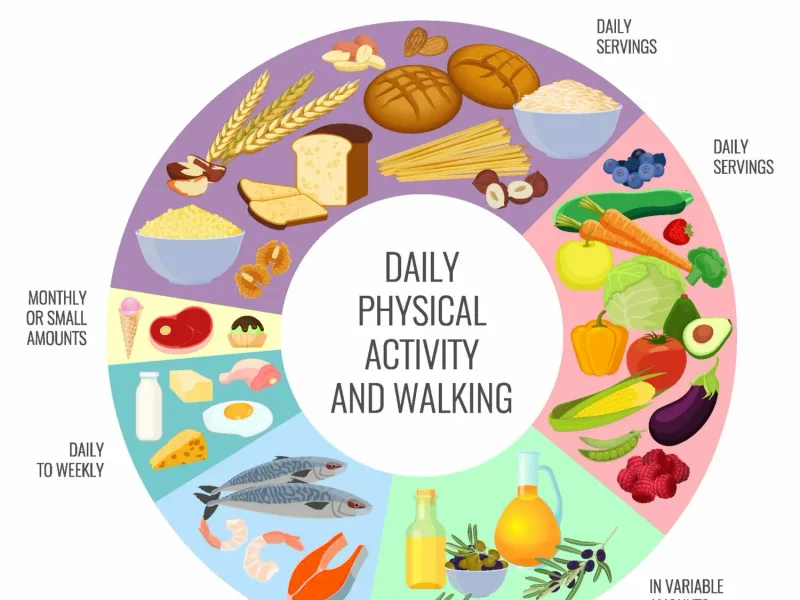
- Nutritional Support: TB care requires a strong immune system. Providing nutritional supplements or encouraging balanced diets helps sufferers combat the illness. Many government programs offer nutritional support for TB individuals.
- Counselling and Psycho-social Support: A TB diagnosis can be emotionally taxing. Regular counselling helps those affected cope with the illness, manage side effects, and stay motivated. Support groups, where individuals can share experiences, also play a vital role.
- Financial Assistance: approach can involve indirect costs like travel and lost wages. Schemes like the Nikshay Poshan Yojana provide nutritional support allowances to TB individuals.
- Community Health Workers (ASHAs): These frontline workers are instrumental in identifying potential TB cases, facilitating diagnosis, ensuring therapy adherence, and providing basic support within the community.
Honestly, the journey through TB management is a shared one. It involves the patient, their family, healthcare providers, and the community working together. The integration of traditional healers and community leaders into TB awareness campaigns has shown promise in reaching remote areas.
Challenges and Future Directions
Despite advancements, challenges persist in TB control in districts like Simdega. These include:
- Stigma: Social stigma associated with TB often prevents people from seeking timely care or completing their approach. Combating this requires sustained public awareness campaigns.
- Access to Healthcare: Especially in remote or underserved areas, ensuring consistent access to diagnostics and quality care can be difficult. Strengthening primary healthcare infrastructure is key.
- Co-morbidities: Conditions like diabetes and HIV can complicate TB approach. India has a high burden of diabetes, with approximately 77 million people affected (IDF, 2023), increasing the risk of TB reactivation and posing approach challenges. Integrated care models are essential.
- Infection Control: Preventing transmission within households and healthcare settings is vital. Ensuring proper ventilation and early isolation of infectious cases are important measures.
The reality is, overcoming TB requires a multi-pronged strategy. Continued investment in research for better diagnostics and drugs, strengthening health systems, and community engagement are all vital components. The goal is clear: to end TB in Simdega and across India.
Key Takeaways
- TB is a curable infectious disease, with proven approach available through programs like DOTS.
- Early diagnosis using sputum microscopy, X-rays, and NAATs is crucial for successful outcomes.
- intervention adherence for the full duration (typically 6 months for drug-susceptible TB) is vital to prevent drug resistance.
- Drug-resistant TB requires longer, specialized intervention regimens and careful monitoring by physicians.
- Comprehensive patient support, including nutritional aid and counselling, significantly improves intervention success rates.
Disclaimer: This information is for educational purposes only and does not substitute professional medical advice. Always consult a qualified physician before making medical decisions.
Frequently Asked Questions
Can I eat rice if I have TB?
Yes, you can generally eat rice if you have TB. A balanced diet is vital for recovery, and rice can be part of a healthy meal plan. However, consult your doctor or a dietitian for personalized dietary advice tailored to your nutritional needs and overall health status.
How long does TB approach last?
Standard approach for drug-susceptible TB typically lasts for six months. This includes an initial intensive phase followed by a continuation phase. Drug-resistant TB requires a longer therapy duration, often 18 months or more.
The numbers don't lie.
Is TB care free in India?
Yes, TB diagnosis and therapy are provided free of charge through government health facilities across India under the RNTBS. This includes medications, diagnostic tests, and often nutritional support through initiatives like the Nikshay Poshan Yojana.
Can TB be completely cured?
Absolutely. TB is a curable disease if treated appropriately and consistently. Completing the full course of prescribed medication is essential to ensure complete eradication of the bacteria and prevent relapse or the development of drug resistance.