Finding Quality Cancer Care in Koderma
When facing a cancer diagnosis, locating a skilled and compassionate cancer hospital is a crucial first step. In Koderma, a growing number of facilities are dedicated to providing advanced oncological care.
These institutions aim to offer patients access to cutting-edge therapies, expert medical teams, and supportive services right here in their community. We understand that navigating cancer treatment can feel overwhelming, but knowing your options locally can provide significant relief and enable timely intervention.
The journey through cancer is undoubtedly challenging. Many of us have witnessed loved ones grapple with this disease, and the emotional toll is immense.
Access to reliable, high-quality care close to home can make a profound difference in the patient's experience and outcome. Fortunately, Koderma is increasingly becoming a hub for specialized cancer approach, bringing expert medical attention within reach.
Key Cancer management Modalities Available
Cancer hospitals in Koderma offer a range of therapy approaches, often tailored to the specific type and stage of cancer. These therapies are designed to combat cancer cells, manage symptoms, and improve the quality of life for those affected.
That alone changes everything.
Surgical Oncology
Surgery remains a cornerstone for many cancer types. It involves the removal of cancerous tumors and sometimes surrounding tissues or lymph nodes.
Specialized surgical oncologists in Koderma perform these procedures, often utilizing minimally invasive techniques to reduce recovery time and discomfort. For instance, early-stage breast cancer or localized colon cancer frequently benefits from precise surgical removal.
Medical Oncology
Medical oncology focuses on treating cancer using systemic therapies like chemotherapy, hormone therapy, targeted therapy, and immunotherapy. These treatments are administered intravenously or orally and work throughout the body to destroy cancer cells or prevent their growth.
A notable number of cancer those affected, including those with lymphomas or advanced lung cancer, rely heavily on the expertise of medical oncologists. 4 million new cancer cases annually (ICMR, 2022), highlighting the vital role of medical oncology.
Radiation Therapy
Radiation therapy uses high-energy rays (like X-rays) to kill cancer cells or shrink tumors. This localized intervention is often used in conjunction with surgery or chemotherapy.
Modern radiation techniques, such as Intensity-Modulated Radiation Therapy (IMRT), allow for precise targeting of tumors while sparing healthy surrounding tissues. This is particularly vital for head and neck cancers or prostate cancer, minimizing side effects.
The numbers don't lie.
Other Advanced Therapies
Beyond these core treatments, leading cancer centers may offer advanced approaches. These can include immunotherapy, which harnesses the body's own immune system to fight cancer, and targeted drug therapy, which attacks specific molecules involved in cancer growth.
Bone marrow transplants (stem cell transplants) are also available for certain blood cancers. The availability of these advanced options is expanding in Koderma.
What to Look for in a Koderma Cancer Hospital
Selecting the right cancer hospital involves considering several vital factors. It's not just about the technology; it's about the entire patient experience.
Expert Medical Team
The presence of experienced oncologists—medical, surgical, and radiation—is paramount. Look for physicians with specialized training and a proven track record in treating your specific cancer type.
Multidisciplinary teams, including pathologists, radiologists, nurses, and counselors, ensure a holistic approach. What most people miss is the importance of this collaborative expertise.
Advanced Technology and Facilities
State-of-the-art diagnostic equipment (like PET-CT scanners and advanced MRI machines) and modern therapy machines (linear accelerators for radiation therapy) are essential. Access to well-equipped operation theaters and intensive care units (ICUs) further strengthens the hospital's capabilities.
The reality is, advanced technology often translates to better outcomes and fewer side effects.
Patient Support Services
Cancer management can be physically and emotionally taxing. Hospitals offering comprehensive support services—such as nutritional counseling, psychological support, pain management clinics, and rehabilitation programs—provide invaluable assistance.
These services help individuals cope better and maintain their strength throughout therapy. Living with this is genuinely hard, and these supports are vital.
Accreditation and Affiliations
Check for hospital accreditations from recognized bodies. Affiliations with national or international cancer research networks (like NCI in the US or equivalent Indian bodies) can indicate adherence to high clinical standards. Institutions like AIIMS often set benchmarks that other hospitals strive to meet.
Most people overlook this completely.
Clinical Trials Access
For some individuals, participating in clinical trials offers access to potentially life-saving, experimental treatments. Hospitals actively involved in research may provide such opportunities, expanding therapy horizons. India has a growing number of clinical trials, with over 1000 active trials registered (CTRI).
So what does that mean for you? It means more options might be available.
Navigating the Diagnostic Process
Accurate diagnosis is the foundation of effective cancer intervention. Koderma's hospitals use a combination of methods to detect and stage cancer.
- Imaging Tests: Techniques like CT scans, MRI, PET scans, and ultrasounds assist visualize tumors and determine their size and location.
- Biopsy: A small sample of suspicious tissue is removed and examined under a microscope by a pathologist to confirm the presence of cancer cells and identify their type. This is the definitive diagnostic step.
- Blood Tests: Certain blood tests can detect tumor markers—substances produced by cancer cells—which aid in diagnosis and monitoring management response.
The initial diagnosis can be daunting. Understanding the tests involved helps demystify the process. Remember, early detection significantly improves intervention success rates for many cancers.
Understanding approach Costs and Insurance
The financial aspect of cancer care is a notable concern for many families. Understanding costs and insurance coverage is essential.
- care Expenses: Costs vary widely depending on the cancer type, stage, and approach modality used. Chemotherapy, radiation, and surgery each have different price points.
- Insurance Coverage: Many hospitals in Koderma accept various health insurance plans. It's vital to verify coverage details with both the hospital's billing department and your insurance provider beforehand. Government schemes like Ayushman Bharat PM-JAY also provide coverage for cancer treatments for eligible beneficiaries.
- Financial Assistance: Some hospitals and charitable organizations offer financial aid or support programs for those affected facing economic hardship. Don't hesitate to inquire about available assistance.
Worth knowing: Many hospitals have dedicated departments to assist sufferers with insurance claims and financial queries, simplifying this complex process.
The Role of Lifestyle in Cancer Prevention and Recovery
While medical treatments are primary, lifestyle factors play a crucial role both in preventing cancer and supporting recovery.
Prevention Strategies
Adopting a healthy lifestyle can significantly reduce cancer risk. Key strategies include:
- Maintaining a healthy weight
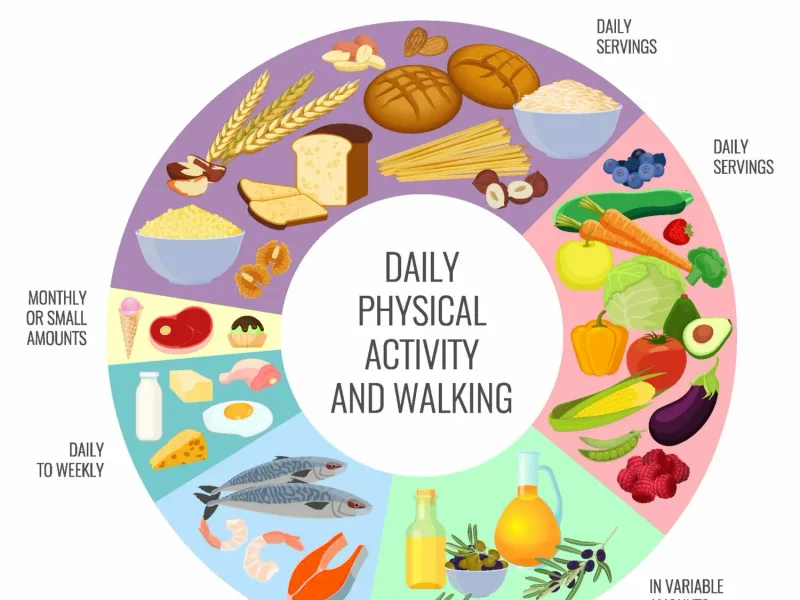
- Eating a balanced diet rich in fruits and vegetables
- Regular physical activity (at least 150 minutes of moderate-intensity aerobic activity per week)
- Avoiding tobacco use in all forms
- Limiting alcohol consumption
- Getting vaccinated against HPV and Hepatitis B (which can cause certain cancers)
The World Health Organization (WHO) estimates that about 30-50% of all cancers are preventable through lifestyle changes and vaccines. In India, tobacco use alone is linked to a notable proportion of cancer deaths.
Diet and Nutrition During intervention
Proper nutrition is vital for maintaining strength during care. A balanced diet helps the body tolerate therapy better and aids in recovery. Focus on whole foods, adequate protein intake, and sufficient hydration. Consulting a dietitian specializing in oncology can provide personalized dietary advice.
Importance of Follow-up Care
Post-approach follow-up is essential for monitoring recovery, detecting any recurrence early, and managing long-term side effects. Regular check-ups with your oncologist ensure continued health and well-being. What should you actually do? Attend all scheduled appointments diligently.
It sounds simple. It rarely is.
Patient Experience and Testimonials
Hearing from other those affected can offer valuable insights and hope. While specific testimonials from Koderma might vary, the common threads often include appreciation for skilled physicians, supportive nursing staff, and proven intervention outcomes.
Many people express gratitude for the accessibility of advanced care locally, avoiding the need for extensive travel.
One observed patient experience involved an elderly gentleman undergoing chemotherapy for prostate cancer. His family noted the immense relief of having approach administered at a Koderma facility, allowing him to stay close to home and familiar surroundings.
The empathetic care from the nursing team, they said, made a difficult time more bearable. The reality is, emotional support often complements medical care powerfully.
Key Takeaways
- Koderma offers a range of cancer intervention options, including surgery, medical oncology, and radiation therapy.
- Look for hospitals with experienced medical teams, advanced technology, and strong patient support services.
- Accurate diagnosis through imaging, biopsy, and blood tests is the first critical step in cancer care.
- Lifestyle choices significantly impact cancer danger and recovery; prevention is key.
- Follow-up care is vital for long-term health and monitoring after approach concludes.
Always consult a qualified physician before making medical decisions.
Frequently Asked Questions
Can I continue my normal diet while undergoing cancer management?
It's advisable to consult with your oncologist or a registered dietitian. While a balanced diet is crucial, your specific nutritional needs may change during therapy. Some foods might interact with medications, while others can benefit manage side effects like nausea.
How are cancer care costs managed in Koderma hospitals?
Costs vary, but most hospitals offer various payment options and accept health insurance. Many also provide information on government schemes like Ayushman Bharat and potential financial assistance programs. It's best to discuss this with the hospital's administrative or billing department early on.
Recovery is rarely linear.
What are the signs that cancer care is working?
Signs that care is impactful can include a reduction in tumor size (seen on imaging scans), decreased levels of tumor markers in blood tests, and improvement in signs like pain or fatigue. Your doctor will monitor these indicators closely during your therapy.
Is it possible to get a second opinion on my cancer diagnosis or therapy plan?
Absolutely. Seeking a second opinion is a widespread and recommended practice in cancer care. It can provide peace of mind and ensure you are exploring all appropriate intervention avenues. Most reputable cancer hospitals facilitate this process.