Selecting an Appropriate Oncological Facility in Begusarai
Identifying a dependable oncological care establishment is a pivotal step for anyone confronting a malignancy. Within Begusarai, several institutions provide advanced services for those affected by cancer.
It is recognized that this journey can feel overwhelming. This guide aims to assist individuals in navigating their options, emphasizing what truly matters: superior care and compassionate assistance.
Understanding Anti-Cancer Drug Therapy
Anti-cancer drug therapy, often called 'chemo', is a vital clinical approach utilized to manage neoplastic disease. It involves employing potent medications to eradicate malignant cells or decelerate their proliferation.
These pharmaceuticals circulate throughout the body, targeting diseased cells wherever they may be present. The primary objective is to eliminate the illness or control its advancement, striving to enhance the patient's quality of life.
Most people overlook this completely.
What most people miss: This therapeutic approach targets rapidly dividing cells. This encompasses malignant cells, but also certain healthy cells such as hair follicles and bone marrow cells. This mechanism explains the occurrence of adverse effects. Managing these side effects constitutes a key aspect of successful oncological care.
Key Considerations When Choosing an Institution
Selecting the right facility extends beyond mere geographical closeness. It involves evaluating the standard of care, the proficiency of the clinical team, and the available technology. Which elements should one prioritize?
Expert Clinical Team
The cornerstone of any reputable oncological care institution is its clinical staff. Seek out facilities with experienced oncologists (specialists in cancer) and a dedicated nursing team.
These professionals should possess a proven track record in administering anti-cancer drug regimens. Do they consistently update their expertise through ongoing professional education?
Advanced Technology and Infrastructure
Modern delivery of anti-cancer drugs necessitates sophisticated equipment and robust infrastructure. Establishments should feature well-equipped infusion suites, advanced diagnostic instruments (such as CT scanners and MRI machines), and stringent safety protocols.
Does the facility adhere to guidelines from bodies like the World Health Organization (WHO) for infection prevention?
Patient Assistance Services
The management of malignancy affects more than just physical well-being; it influences mental and emotional states as well. A nurturing atmosphere is therefore essential.
Look for institutions offering counselling, nutritional guidance, and pain management services. Peer support groups can also be incredibly beneficial for individuals and their families.
Accessibility and Convenience
While not the paramount factor, ease of access holds significance. Consider the institution's location, transport options, and appointment scheduling flexibility. A facility that is conveniently situated can lessen stress for patients requiring frequent visits.
Prominent Oncological Care Facilities in Begusarai (Illustrative Examples)
While specific facility names may change, the following types of establishments are typically found in regions like Begusarai, providing valuable services for those with cancer:
Hospitals with Oncology Departments
Numerous larger hospitals in Begusarai contain specialized oncology divisions. These departments frequently offer extensive programs for managing neoplastic conditions.
They usually employ a collaborative team approach, bringing together various specialists to discuss individual patient cases. This ensures a holistic strategy tailored to specific needs.
Specialized Oncological Clinics
Smaller, specialized clinics might also provide anti-cancer drug services. These establishments frequently concentrate solely on oncological care. They could offer a more individualized patient experience. Inquire about their affiliations and the credentials of their consulting oncologists.
Here's where it gets interesting.
Government Healthcare Institutions
Publicly operated hospitals, such as those affiliated with institutions like AIIMS (All India Institute of Medical Sciences) or state medical colleges, often deliver crucial oncological services. These facilities are instrumental in making therapeutic interventions accessible to a broader population.
They adhere to national protocols for care, often guided by the Indian Council of Medical Research (ICMR).
The Anti-Cancer Drug Process: What to Expect
The process of administering anti-cancer drugs can appear intimidating. However, comprehending the steps involved can help alleviate apprehension. It’s a journey that demands preparation and a strong support network.
Consultation and Diagnosis
Initially, you will consult with an oncologist. They will review your health history, conduct examinations, and analyze diagnostic reports (like biopsies and scans). This aids in identifying the specific type and stage of the malignancy, which is crucial for planning the appropriate approach.
Care Planning
Following diagnosis, the clinical staff devises an individualized therapeutic strategy. This plan outlines the specific anti-cancer drugs, dosages, and the schedule of administration. It also considers potential adverse effects and methods to manage them.
It sounds simple. It rarely is.
Have you ever wondered why each patient's plan is so distinct? It's because malignancy is not a singular illness; it varies greatly among individuals.
Administration of Therapy
The therapeutic agents are generally delivered intravenously (via an IV drip) or orally (as tablets). The duration of each session can vary from a few hours to several days. Nurses trained in oncology will carefully monitor you during the infusion. Practically speaking, you might spend several hours at the facility during each session.
Monitoring and Follow-up
Consistent follow-up consultations are crucial. These enable the clinical staff to observe your reaction to the regimen and address any adverse effects. Blood tests and imaging scans are commonly utilized to assess progress. Adjustments to the therapy may be made based on these findings.
Managing Adverse Effects of Anti-Cancer Drug Therapy
Adverse reactions frequently worry individuals receiving anti-cancer drug regimens. While these can be challenging, many are manageable with appropriate clinical assistance. Frankly, the experience differs significantly from person to person.
- Nausea and Vomiting: Anti-nausea medications are highly effective. Your physician will prescribe the best options for you.
- Fatigue: This type of therapy can induce significant tiredness. Gentle exercise, sound nutrition, and adequate rest can support boost energy levels.
- Hair Loss: Not all anti-cancer drugs cause hair loss. If it occurs, it is usually temporary. Cold caps can sometimes benefit diminish hair loss during infusion.
- Low Blood Counts: The regimen can affect white blood cells, red blood cells, and platelets. This elevates the risk of infection and anemia. Regular blood tests monitor these counts, and interventions like growth factors can enable.
- Mouth Sores: Excellent oral hygiene is paramount. Your physician can recommend specialized mouthwashes and remedies.
Living with these adverse effects is genuinely difficult. Open communication with your healthcare team about any discomfort is key to reliable management.
The Role of Nutrition and Lifestyle
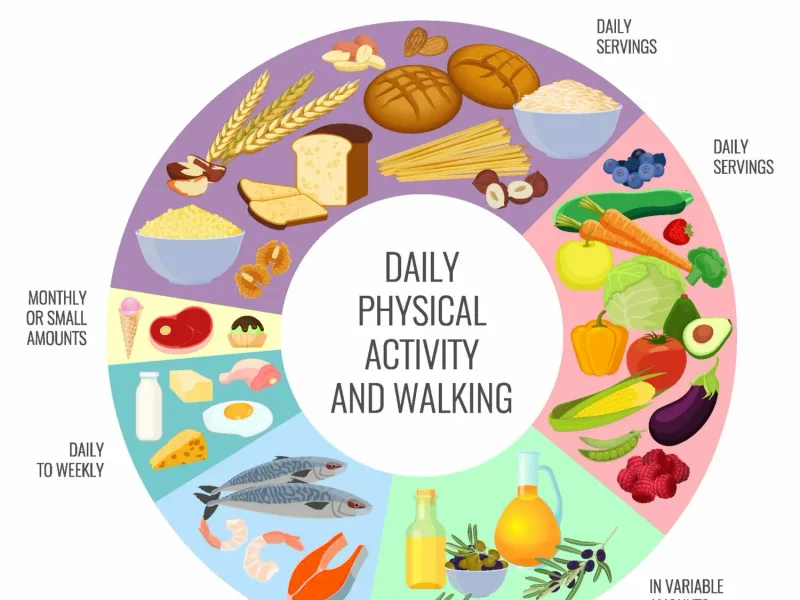
Proper nutrition plays a vital role in sustaining your body during anti-cancer drug therapy. A balanced diet can enable maintain strength and aid recovery. Focus on consuming adequate protein and calories. Hydration is also essential; drink plenty of fluids unless advised otherwise by your physician.
This is where most sufferers struggle.
Gentle physical activity, as approved by your physician, can combat fatigue and improve overall well-being. Simple activities like walking can make a difference. In practical terms, maintaining a healthy lifestyle complements clinical interventions.
Emotional and Psychological Assistance
Confronting a malignancy and its associated care can be emotionally demanding. Numerous individuals encounter anxiety, apprehension, or despondency.
Peer groups offer an environment to exchange experiences and coping strategies with others who comprehend. In India, community aid often plays a meaningful role, much like a family rallying around its members.
Professional counselling services are also available at many institutions. These specialists can aid you develop coping mechanisms and manage the psychological impact of the illness. Does this resonate? The emotional journey is as important as the physical one.
Cost of Anti-Cancer Drug Regimens
The expenditure for anti-cancer drug regimens can differ significantly, influenced by the medications employed, the duration of the therapy, and the specific establishment. Government hospitals and schemes often provide subsidies, making care more affordable.
That alone changes everything.
It is advisable to discuss the estimated costs and available financial aid options with the facility's administration upfront.
Conclusion: Empowering Your Choice
Selecting an oncological care facility in Begusarai represents a momentous choice. By prioritizing the clinical team's proficiency, the caliber of the establishments, and the provision of extensive patient assistance, individuals can make a well-informed selection.
Recall that you are not undertaking this journey in isolation. Your healthcare professionals are committed to delivering optimal care to aid in combating the disease and enhancing your overall well-being.
Always consult a qualified physician before making health-related decisions.
Frequently Asked Questions
What is the average duration of an anti-cancer drug session?
A session's length varies greatly. It can range from just 30 minutes for some drugs to several hours for others, or even a few days for specific inpatient therapeutic processes.
Can I continue my normal diet during anti-cancer drug therapy?
Generally, a balanced diet is encouraged. However, some foods might need to be avoided due to potential interactions or adverse effects like mouth sores. Always follow your physician's or a dietitian's specific advice.
How is the effectiveness of anti-cancer drug therapy measured?
Physicians measure the effectiveness of this therapeutic approach through various methods. These include physical exams, blood tests to monitor malignancy markers, and imaging scans like CT or MRI to check for tumor shrinkage or disappearance.
And yet, so many people miss it.
Are there peer assistance groups available for individuals with cancer in Begusarai?
Many hospitals and oncological institutions offer or can refer you to peer assistance groups. These groups provide emotional and practical aid from fellow sufferers and families navigating similar challenges.