Choosing a Specialized GI Facility in Deoghar: Expert Care for the Alimentary System
Selecting an appropriate healthcare facility specializing in gastrointestinal (GI) conditions is essential for managing problems affecting the alimentary system. In Deoghar, numerous centers provide focused attention for ailments impacting the stomach, intestines, liver, and pancreas. These institutions merge sophisticated medical knowledge with patient-focused strategies to guarantee accurate diagnosis and effective interventions. Discomfort stemming from issues with the gut is a common experience, underscoring the significance of selecting the right healthcare partner.
Essentially, a reputable GI medical center delivers a spectrum of services. Among these are diagnostic processes such as endoscopy and colonoscopy, alongside corrective interventions for both prevalent and intricate GI conditions.
Prompt and skilled medical consultation can markedly better patient prognoses and elevate their overall quality of life. With a substantial portion of its population facing gastrointestinal ailments, India highlights the critical demand for readily available, superior care.
Key Services Offered by Leading GI Medical Centers
When assessing specialized medical centers in Deoghar for digestive health, individuals should consider the extensive range and caliber of services offered. Core offerings generally encompass:
- Diagnostic Gastroenterology: This branch employs sophisticated imaging and endoscopic methods to pinpoint the underlying cause of gut problems. Procedures like upper GI endoscopy (a visual examination of the upper alimentary tract), colonoscopy (inspection of the large intestine), and capsule endoscopy are fundamental. Through an upper GI endoscopy, clinicians can view the esophagus, stomach, and duodenum, aiding in the identification of ailments such as gastritis (inflammation of the stomach lining) or ulcers. Examination of the large intestine via colonoscopy is critical for finding polyps or inflammatory bowel conditions.
- Therapeutic Gastroenterology: Beyond diagnosis, these facilities provide various interventions for a spectrum of GI disorders. This includes managing acid reflux, peptic ulcers, inflammatory bowel conditions (IBD) such as Crohn's disease and ulcerative colitis, irritable bowel syndrome (IBS), and hepatic (liver) ailments like hepatitis and cirrhosis. The primary objective is to alleviate symptoms and halt the progression of these conditions.
- Advanced Procedures: Many premier centers execute intricate medical procedures. ERCP (Endoscopic Retrograde Cholangiopancreatography) serves to diagnose and address issues within the bile and pancreatic ducts. Advanced endoscopic mucosal resection (EMR) and endoscopic submucosal dissection (ESD) facilitate the endoscopic removal of early-stage cancers, thereby circumventing the need for major surgery.
- Hepatology Services: Dedicated attention for liver conditions forms a key offering. This involves the diagnosis and management of viral hepatitis (A, B, C), alcoholic liver disease, non-alcoholic fatty liver disease (NAFLD), and evaluations for liver transplantation. Early detection of hepatic conditions is crucial, as India reports a significant prevalence of liver ailments.
- Pancreatic Disorders: Specialized care for pancreatitis (acute and chronic inflammation of the pancreas) and pancreatic cancer is provided. Care plans are customized to individual patient requirements, frequently involving a multidisciplinary team of experts.
Distinguishing Characteristics of Premier GI Medical Centers
Several elements contribute to a medical center's reputation and efficacy in treating conditions of the alimentary tract. What factors differentiate certain institutions, leading them to consistently achieve superior patient outcomes?
- Expert Medical Team: A robust team comprising seasoned gastroenterologists, GI surgeons, radiologists, and supportive personnel is paramount. These specialists bring extensive experience and frequently possess sub-specialty training, enabling them to competently manage intricate cases. The Indian Association of Gastroenterology (IAG) underscores the importance of ongoing professional development for physicians.
- State-of-the-Art Technology: Access to contemporary diagnostic and therapeutic apparatus is indispensable. High-definition endoscopes, advanced ultrasound machines, and minimally invasive surgical instruments enhance diagnostic precision and the effectiveness of care. Guidelines from the World Health Organization (WHO) emphasize the significance of technology in healthcare provision.
- Patient-Centric Approach: Comprehending and addressing patient concerns is vital. Clear communication, individualized care plans, and empathetic support make a substantial difference. Living with chronic issues affecting the alimentary system is genuinely challenging, and compassion from healthcare providers can greatly alleviate this burden.
- Infection Control: Strict adherence to infection control protocols, as recommended by the Indian Council of Medical Research (ICMR), ensures patient safety during procedures. This is particularly critical in invasive diagnostic and therapeutic interventions.
- Affordability and Accessibility: While the caliber of care is central, cost-effectiveness also plays a role, especially in regions like Deoghar. Medical centers that offer transparent pricing and accept various health insurance plans are more readily available to a broader segment of the population.
widespread Alimentary Conditions Addressed
Gastrointestinal medical centers manage a wide array of conditions. Some prevalent issues include:
- Acid Reflux and GERD: Gastroesophageal reflux disease (GERD), a condition where stomach acid flows back into the esophagus, impacts millions. Management frequently involves lifestyle adjustments and medication to mitigate stomach acid.
- Peptic Ulcers: These sores, which form in the lining of the stomach or duodenum (the first part of the small intestine), are often caused by H. pylori bacterial infection or the use of NSAIDs (nonsteroidal anti-inflammatory drugs). Care focuses on eradicating the bacteria and diminishing acid production.
- Irritable Bowel Syndrome (IBS): A widespread functional disorder characterized by abdominal pain, bloating, and alterations in bowel habits. Its management involves dietary changes, stress reduction techniques, and medication.
- Inflammatory Bowel Conditions (IBD): Crohn's disease and ulcerative colitis are chronic conditions requiring long-term management, frequently involving medication and sometimes surgical intervention.
- Gallstones: Concretions forming in the gallbladder or bile ducts can induce pain and complications. Interventions may include medication or the surgical removal of the gallbladder (cholecystectomy).
- Hemorrhoids: Swollen veins located in the rectum or anus. Management options range from lifestyle modifications to minimally invasive procedures or surgery.
The severity of these issues can be considerable. Unattended problems of the alimentary system can lead to considerable complications, including malnutrition, anemia, and even cancer.
Consequently, early diagnosis and appropriate care are paramount. India faces a high prevalence of alimentary ailments; for instance, gallstone disease affects an estimated 15-20% of the adult population in certain regions.
Navigating Care Options
Upon establishing a diagnosis, physicians will discuss various avenues for care. Patients should view their personalized care plan as a roadmap specifically crafted for their situation. It might involve:
- Medications: Antacids, proton pump inhibitors (PPIs), antibiotics, anti-inflammatories, and other pharmacological agents are commonly prescribed. These aim to manage warning signs, resolve infections, or reduce inflammation.
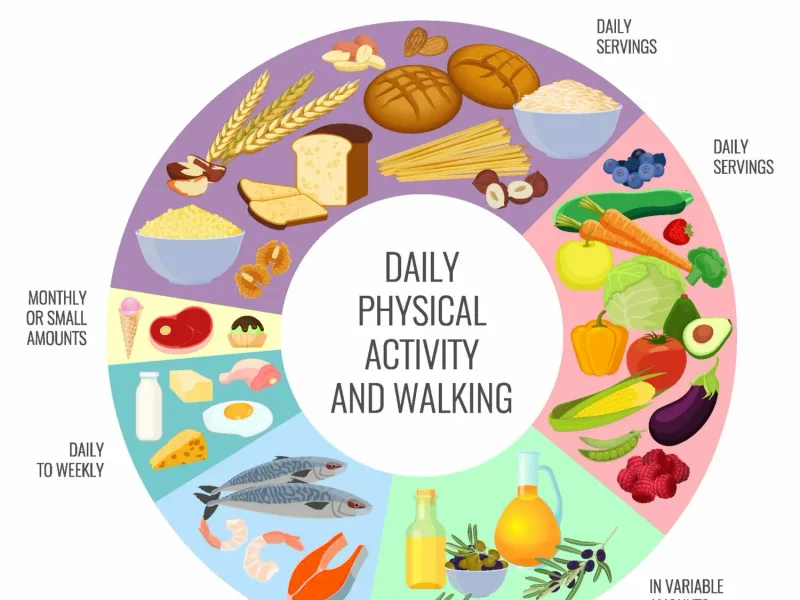
- Dietary Modifications: Specific nutritional recommendations can provide substantial assistance. For example, individuals with GERD might receive advice to avoid spicy foods and large meals. A balanced diet is fundamental for overall gut health.
- Lifestyle Adjustments: Weight management, consistent physical activity, stress reduction techniques (such as yoga or meditation), and smoking cessation are frequently integral components of therapy. These changes support the body's natural healing processes.
- Endoscopic Therapies: As previously noted, procedures like EMR or stenting can be performed during endoscopy to address specific issues without requiring major surgery.
- Surgical Interventions: For certain conditions such as severe IBD, complicated gallstones, or particular cancers, surgery may represent the most efficacious approach. Minimally invasive laparoscopic surgery is often favored for its potential to facilitate faster recovery.
The selection of therapy depends on the specific disorder, its intensity, and the patient's overall health status. Close collaboration with one's specialist ensures the development of the most powerful care plan. Proactive management, it is important to remember, frequently holds the key to long-term well-being of the alimentary system.
Here's where it gets interesting.
Finding the Right GI Specialist in Deoghar
Selecting an appropriate gastroenterologist or GI surgeon is as crucial as choosing the medical center. Individuals should seek physicians with:
- Relevant board certifications.
- Extensive background in addressing their specific problem.
- impactful communication abilities and a patient-friendly demeanor.
- Favorable patient feedback and professional endorsements.
Many medical centers in Deoghar maintain dedicated outpatient departments where consultations with specialists are available. Booking an appointment in advance is advisable, particularly for highly sought-after physicians.
The typical waiting period for a specialist consultation can fluctuate, but planning helps ensure timely access to professional attention.
Patient Experience: A Case Study
Consider Mrs. Sharma, a 55-year-old homemaker from Deoghar, who experienced persistent abdominal discomfort and bloating. Initially, she postponed seeking medical assistance, attributing her manifestations to indigestion. Her issue deteriorated, affecting her daily activities. Following a consultation at a leading specialized medical center in the city, she underwent an endoscopy. The procedure revealed a peptic ulcer, which was successfully managed with medication and dietary adjustments. Mrs. Sharma reported considerable improvement within weeks, underscoring the impact of timely diagnosis and expert care. Her experience highlights the importance of not disregarding persistent indicators affecting the alimentary system.
Key Takeaways:
- Specialized medical centers for gastrointestinal health in Deoghar provide advanced diagnostic tools like endoscopy and colonoscopy.
- Core offerings include the management of usual GI issues, liver ailments, and pancreatic disorders.
- Individuals should seek experienced specialists, modern technology, and an approach centered on the patient.
- Early diagnosis and appropriate interventions for alimentary conditions are vital to prevent complications.
- India faces a marked burden of conditions affecting the alimentary system, making accessible care critically vital.
Frequently Asked Questions
What are the indicators of a serious alimentary problem?
Indicators of a serious alimentary issue can include persistent vomiting, blood in stool or vomit, severe abdominal pain, unexplained weight loss, and difficulty swallowing. These signs necessitate immediate medical attention from a qualified physician.
Can minor indigestion be managed at home?
Mild indigestion can frequently be managed with over-the-counter antacids and dietary modifications, such as avoiding trigger foods like spicy or fatty meals. However, if signs are frequent or severe, consulting a doctor is key to exclude underlying conditions.
How often is a colonoscopy recommended?
The recommended frequency for colonoscopies varies based on age and individual risk factors. Generally, screening colonoscopies commence at age 45 for individuals with average chance, with subsequent intervals determined by the findings and advice from your physician.
Most people overlook this completely.
Those with a family history of colorectal cancer or inflammatory bowel conditions may require earlier or more frequent screenings.
What constitutes the best diet for gut health?
A diet rich in fiber derived from fruits, vegetables, and whole grains promotes robust gut health. Probiotic-rich foods such as yogurt and fermented items can also be beneficial. Staying adequately hydrated and limiting processed foods, excessive sugar, and unhealthy fats supports a healthy alimentary system.
Always consult a qualified physician before making medical decisions.