Finding a Heart Specialist Doctor in Uluberia
Navigating healthcare needs can be daunting, especially when it concerns your heart. If you are in Uluberia and seeking a heart specialist (cardiologist), understanding where to look and what to expect is vital. This guide aims to assist you in finding the best cardiac care available in your area.
Why is a Heart Specialist Crucial?
Your heart is the engine of your body. Specialized physicians, known as cardiologists, are experts in diagnosing and treating conditions affecting the heart and blood vessels. They manage everything from common issues like high blood pressure (hypertension) to complex diseases such as coronary artery disease and heart failure.
Honestly, many of us put off seeking medical help until symptoms become severe. However, regular check-ups with a cardiologist are key for preventative care. They can identify potential risks early, enabling timely interventions that can save lives.
frequent Heart Conditions Managed by Specialists
Cardiologists treat a wide spectrum of cardiovascular issues. These include:
- Coronary Artery Disease (CAD): Narrowing or blockage of the heart's arteries, often due to plaque buildup. This is a leading cause of heart attacks.
- Hypertension (High Blood Pressure): Persistently high pressure in the arteries, a major risk factor for heart disease and stroke.
- Heart Failure: A condition where the heart cannot pump blood effectively to meet the body's needs.
- Arrhythmias: Irregular heartbeats, which can range from harmless palpitations to life-threatening conditions.
- Valvular Heart Disease: Problems with the heart's valves that affect blood flow.
- Congenital Heart Defects: Heart abnormalities present at birth.
Think about it this way: your general physician is like your family doctor, while a cardiologist is a highly specialized physician for a critical organ. They possess advanced knowledge of cardiac anatomy, physiology, and pathology.
When Should You See a Heart Specialist?
Several signs and signs warrant a consultation with a cardiologist. Chest pain or discomfort (angina) is a primary indicator. Other crucial indicators include:
- Shortness of breath, especially during exertion or when lying down.
- Irregular heartbeats or palpitations.
- Swelling in the legs, ankles, or feet (edema).
- Extreme fatigue or weakness.
- Dizziness or fainting spells.
If you experience any of these signs, seeking prompt medical attention is vital. The reality is, delaying care can lead to serious complications. What should you actually do? Schedule an appointment with a cardiologist as soon as possible.
Finding a Qualified Cardiologist in Uluberia
Locating a reliable heart specialist in Uluberia involves a few practical steps. Many reputable hospitals and clinics in the area have dedicated cardiology departments staffed by experienced physicians. Consider the following approaches:
- Hospital Referrals: Your primary care physician can often provide a referral to a trusted cardiologist within their network. Leading institutions like Apollo Gleneagles or AMRI Hospitals, though not in Uluberia itself, often have affiliated specialists or can guide you.
- Online Directories: Healthcare platforms like Doctar provide searchable databases of doctors, including cardiologists, with patient reviews and appointment booking facilities.
- Word-of-Mouth: Recommendations from friends, family, or colleagues who have had positive experiences can be invaluable.
- Insurance Provider Lists: Check with your health insurance company for a list of empaneled cardiologists in Uluberia.
When evaluating potential specialists, consider their experience, qualifications, and the hospital affiliations. A doctor’s background and the facilities they practice in are crucial factors.
What to Expect During Your First Consultation
Your initial visit to a heart specialist typically involves several key components. The physician will start by taking a detailed medical history. They will inquire about your indicators, lifestyle, family history of heart disease, and any existing medical conditions.
Following the history, a physical examination is performed. This includes checking your blood pressure, listening to your heart and lungs, and assessing for any signs of fluid retention. The specialist may then recommend diagnostic tests to gain a clearer picture of your heart's health. These can include:
- Electrocardiogram (ECG or EKG): Records the electrical activity of your heart.
- Echocardiogram: An ultrasound of the heart, showing its structure and function.
- Stress Test (Treadmill Test): Evaluates how your heart performs under physical stress.
- Blood Tests: To check for markers of heart damage or likelihood factors like cholesterol levels.
- Holter Monitor: A portable ECG device worn for 24-48 hours to detect heart rhythm abnormalities.
Based on these findings, the cardiologist will discuss potential diagnoses and recommend a personalized treatment plan. How serious is this really? It's serious enough that early detection and intervention are key. The approach might involve lifestyle modifications, medication, or, in some cases, procedures like angioplasty or bypass surgery.
The Role of Lifestyle in Heart Health
While medical interventions are vital, lifestyle choices play an equally important role in maintaining a healthy heart. Specialists often emphasize the impact of diet, exercise, and stress management. Practically speaking, small changes can yield significant benefits over time.
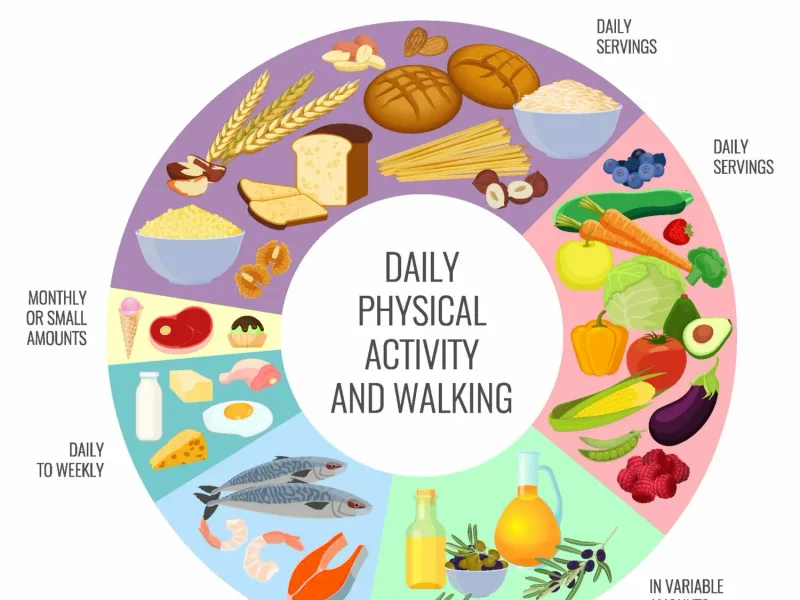
- Diet: A heart-healthy diet, rich in fruits, vegetables, whole grains, and lean proteins, is recommended. Limiting saturated fats, trans fats, sodium, and added sugars is crucial. The Indian Council of Medical Research (ICMR) provides guidelines on balanced nutrition.
- Exercise: Regular physical activity, such as brisk walking, jogging, or swimming, strengthens the heart muscle. Aim for at least 150 minutes of moderate-intensity aerobic activity per week, as advised by the World Health Organization (WHO).
- Weight Management: Maintaining a healthy weight reduces strain on the heart.
- Smoking Cessation: Quitting smoking is one of the most impactful steps for cardiovascular health.
- Stress Reduction: Techniques like yoga, meditation, or deep breathing exercises can aid manage stress levels.
Living with a heart disorder is genuinely hard, but empowering yourself with knowledge and adopting a healthy lifestyle can significantly improve your quality of life. We often see patients who feel overwhelmed initially, but with consistent effort, they achieve remarkable improvements.
Advanced Cardiac Procedures
For certain conditions, more advanced therapies may be necessary. Cardiologists, in collaboration with cardiac surgeons, can perform a range of procedures. These might include:
- Angioplasty and Stenting: A minimally invasive procedure to open blocked arteries using a balloon and then placing a small mesh tube (stent) to keep it open.
- Coronary Artery Bypass Grafting (CABG): A surgical procedure where blocked arteries are bypassed using blood vessels from other parts of the body.
- Pacemaker/ICD Implantation: Devices implanted to regulate heart rhythm in cases of slow or dangerously fast heartbeats.
These procedures, often performed at well-equipped cardiac centers, are designed to restore normal heart function and enhance prognosis. The American Heart Association (AHA) outlines standards for the effective management of these conditions.
Choosing the Right Care in Uluberia
When selecting a heart specialist in Uluberia, prioritize those with a strong track record and excellent patient outcomes. Look for physicians who communicate clearly and involve you in decision-making. The right specialist will not only offer expert medical advice but also provide the support needed to manage your problem effectively.
Remember, your heart health is paramount. Taking proactive steps to find the right cardiologist ensures you receive the best possible care. The journey to better heart health often starts with a single, informed decision.
Always consult a qualified physician before making medical decisions.
Frequently Asked Questions
Can I eat rice if I have diabetes?
People with diabetes can often eat rice in moderation as part of a balanced meal plan. The key is portion control and choosing healthier varieties like brown rice. It's also beneficial to pair rice with protein and fiber to support manage blood sugar levels. Always discuss your dietary choices with your doctor or a registered dietitian.
What are the early warning signs of a heart attack?
Early warning signs of a heart attack can include chest pain or discomfort (pressure, squeezing, fullness), pain or discomfort in one or both arms, the jaw, neck, or stomach. Other indicators are shortness of breath, cold sweats, nausea, or lightheadedness. If you suspect a heart attack, seek emergency medical enable immediately.
How often should I see a cardiologist if I have high blood pressure?
If you have high blood pressure (hypertension), the frequency of your cardiologist visits depends on how well your blood pressure is controlled and if you have other chance factors. Typically, well-controlled hypertension might require check-ups every 6-12 months.
However, if your blood pressure is difficult to manage or you have other heart conditions, you may need to see the specialist more frequently, as advised by your doctor.