Understanding Tuberculosis Treatment in Aurangabad
Tuberculosis (TB), caused by the bacterium Mycobacterium tuberculosis, remains a significant public health challenge globally and in India. Aurangabad, like other cities, offers various avenues for diagnosis and therapy. Effectively managing TB requires a thorough understanding of the disease, available therapies, and patient support systems.
What is Tuberculosis?
TB primarily affects the lungs (pulmonary TB) but can impact other parts of the body like the kidneys, spine, or brain (extrapulmonary TB). Symptoms often include a persistent cough (lasting three weeks or longer), chest pain, coughing up blood or sputum, fever, chills, and unexplained weight loss.
Early detection and adherence to a prescribed care plan are vital for a successful outcome and preventing transmission.
Diagnosis of TB in Aurangabad
Accurate diagnosis is the crucial first step. In Aurangabad, diagnostic services are available through both public and private healthcare facilities. These include:
- Sputum Microscopy: This is a common and relatively quick method where a sample of coughed-up phlegm is examined under a microscope for the presence of TB bacteria. Multiple samples are usually required.
- Chest X-ray: Imaging helps identify characteristic changes in the lungs indicative of TB infection.
- Tuberculin Skin Test (TST) and Interferon-Gamma Release Assays (IGRAs): These tests help detect latent TB infection, meaning the bacteria are present but not causing active disease.
- CBNAAT (Cartridge-Based Nucleic Acid Amplification Test): This advanced molecular test can rapidly detect TB and resistance to key drugs like rifampicin directly from sputum samples. It is increasingly available in district TB centers.
- Culture and Sensitivity Testing: For complex cases or suspected drug resistance, growing the bacteria in a lab helps determine the most effective medications.
What most people miss: Early signs can be subtle, easily mistaken for a usual cold or flu. Prompt medical evaluation is key.
care Approaches for TB
The cornerstone of TB therapy is a course of specific antibiotic medications, typically lasting for at least six months. The exact regimen depends on whether it's a new case, a previously treated case, or if drug resistance is suspected.
Directly Observed approach, Short-course (DOTS)
The World Health Organization (WHO) strongly recommends the DOTS strategy. This approach ensures that patients take their medication consistently. A healthcare worker or trained volunteer observes the patient swallowing each dose.
This is vital for preventing the development of drug-resistant TB. Aurangabad's public health system actively implements DOTS through its network of healthcare centers and designated DOT providers.
Think about it this way: DOTS is like having a personal coach ensuring you complete your fitness routine daily. It boosts your chances of success significantly.
Standard Drug Regimens
For drug-susceptible TB, the standard approach typically involves a combination of four first-line drugs: isoniazid, rifampicin, pyrazinamide, and ethambutol. The initial intensive phase lasts for two months, followed by a continuation phase of four months with fewer drugs.
The numbers don't lie.
Physicians in Aurangabad adhere to guidelines set by the Revised National Tuberculosis Control Programme (RNTCP), now known as the National Tuberculosis Elimination Programme (NTEP).
Drug-Resistant TB (DR-TB) care
Drug-resistant TB (MDR-TB or XDR-TB) requires longer, more complex care regimens using second-line drugs. These therapies are often associated with more side effects and a longer duration (18-24 months or more).
Specialist consultation is crucial for managing DR-TB. Facilities equipped to handle DR-TB cases are available, often linked to major government hospitals and specialized centers.
Role of Specialists and Healthcare Facilities
In Aurangabad, a spectrum of healthcare providers can assist with TB care. General physicians often manage straightforward cases, while pulmonologists and infectious disease specialists are consulted for complex or drug-resistant forms.
Government-run district TB centers (DTCs) offer free diagnosis and care services, including essential medicines and counseling. Private hospitals and clinics also provide TB care, though costs can vary.
We often see those affected who are hesitant to seek assist due to stigma or fear. It's vital to remember that TB is curable, and seeking timely medical attention is a sign of strength.
Patient Experience and Support
Living with TB can be challenging. Beyond medication, people often need nutritional support, counseling, and management of side effects.
Many healthcare providers in Aurangabad offer patient education on diet, hygiene, and the importance of completing the full course of therapy. Support groups and community health workers play a role in reinforcing adherence and addressing psycho-social needs.
It sounds simple. It rarely is.
Honestly, the journey through TB management requires immense patience and resilience from those affected. The support network available, from family to healthcare professionals, makes a substantial difference.
Consider the case of a patient whose family supported them by ensuring they took their medicine on time daily, even when they felt too unwell to remember. This simple act of care significantly boosted their recovery chances.
Nutritional Support During TB care
Good nutrition is vital for strengthening the body's immune response and aiding recovery. A balanced diet rich in proteins, vitamins, and minerals helps combat the infection and manage approach side effects.
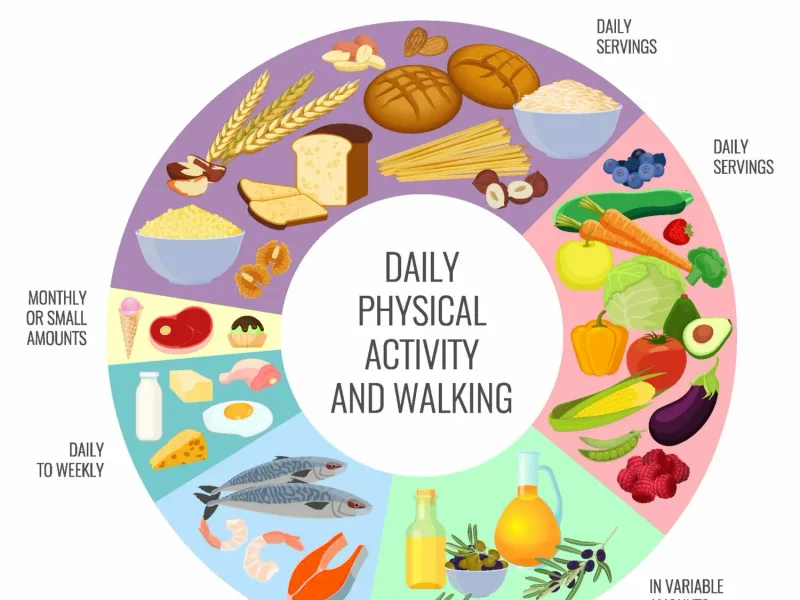
While specific dietary restrictions are rare, physicians may advise on managing typical issues like loss of appetite or nausea. Local dietary habits, like consuming dal, roti, and vegetables, can form the basis of a healthy TB care diet when prepared appropriately.
Most people overlook this completely.
Preventing TB Transmission
Preventing the spread of TB is a community effort. Key measures include:
- Covering coughs and sneezes: Use a tissue or elbow.
- Ventilation: Ensure good airflow in living spaces.
- Isolation: Initially, infectious individuals may need to limit contact.
- BCG Vaccination: This vaccine offers some protection, especially against severe forms in children.
So what does that mean for you? Practicing good respiratory hygiene and ensuring prompt diagnosis and approach for anyone showing indicators are critical public health responsibilities.
Challenges and Progress in Aurangabad
Despite advancements, challenges like stigma associated with TB, access to care in remote areas, and managing drug resistance persist. However, concerted efforts by the government and healthcare organizations are continuously working to improve TB detection and care outcomes.
Increased awareness campaigns and improved diagnostic accessibility are key initiatives.
What should you actually do? Stay informed about TB, encourage early check-ups for persistent manifestations, and support public health efforts to eliminate the disease.
The progress seen in TB control is a testament to dedicated medical professionals and community involvement. We are moving towards a future where TB is no longer a major threat.
Conclusion
Tuberculosis intervention in Aurangabad is accessible and follows national and international guidelines. With timely diagnosis, adherence to prescribed therapy (especially DOTS), adequate nutritional support, and community awareness, TB is a curable disease.
If you or someone you know experiences persistent respiratory indicators, seeking immediate medical attention from a qualified physician is paramount.
Living with the uncertainty of TB is genuinely hard, but remember that successful care is available, and recovery is very much possible. Your commitment to approach is your strongest weapon against this illness.
Frequently Asked Questions
How long does TB management typically last?
Standard TB therapy usually lasts for a minimum of six months. For drug-resistant TB, the therapy duration can extend to 18-24 months or longer, depending on the specific case and drug susceptibility profile.
The numbers don't lie.
Is TB intervention free in Aurangabad?
Diagnosis and management for TB, including essential medications under the National Tuberculosis Elimination Programme (NTEP), are provided free of cost at government-designated TB centers and healthcare facilities across Aurangabad.
Can TB spread through casual contact?
TB primarily spreads through airborne droplets when an infected person coughs, sneezes, or talks. However, it typically requires prolonged, close contact with an infectious individual. Casual contact, like shaking hands or sharing utensils, is generally not sufficient for transmission.
What are the frequent side effects of TB medications?
widespread side effects can include nausea, vomiting, loss of appetite, fatigue, and changes in urine color (especially with rifampicin). Some individuals may experience skin rashes or nerve issues. It is crucial to report any side effects to your doctor immediately so they can be managed appropriately.