Understanding Tuberculosis (TB) in Chhapra
Tuberculosis, or TB, remains a significant public health challenge in India, and Chhapra is no exception. This infectious disease, primarily caused by the bacterium Mycobacterium tuberculosis, typically affects the lungs but can impact other parts of the body as well. Early diagnosis and consistent treatment are absolutely crucial for recovery and preventing its spread.
Honestly, living with TB can be incredibly challenging, both physically and emotionally. Many of us have seen firsthand the impact this illness has on individuals and their families. However, with the right approach and dedicated care, TB is curable.
Symptoms and Diagnosis: Recognizing the Signs
Recognizing the signs of TB is the first vital step towards seeking timely medical help. Common indicators of pulmonary TB (TB in the lungs) include:
- A persistent cough lasting three weeks or longer.
- Coughing up blood or phlegm (sputum).
- Chest pain.
- Weakness or fatigue.
- Unexplained weight loss.
- Fever.
- Night sweats.
In many cases, extrapulmonary TB (TB outside the lungs) can present with different indicators depending on the affected organ. For instance, TB of the spine might cause back pain, while TB of the lymph nodes could lead to swollen glands.
What should you actually do if you experience these signs? Promptly consult a local healthcare provider or a government health facility in Chhapra. Physicians will typically start with a physical examination and medical history review. Diagnostic tests are essential for confirming the diagnosis. These often include:
- Sputum Smear Microscopy: A microscopic examination of phlegm samples to detect the presence of TB bacteria.
- Sputum Culture: This test grows the bacteria in a lab, confirming TB and identifying drug resistance.
- Chest X-ray: To visualize the lungs and detect characteristic changes caused by TB.
- Nucleic Acid Amplification Tests (NAATs): Rapid molecular tests that can detect TB bacteria and resistance to key drugs like rifampicin within hours. The Indian Council of Medical Research (ICMR) recommends these for quicker diagnosis.
You'll notice that accurate diagnosis relies on a combination of clinical evaluation and laboratory testing, ensuring the correct therapy plan is initiated.
TB management Approaches in Chhapra
The cornerstone of TB intervention globally, and certainly in Chhapra, is Directly Observed intervention, Short-course (DOTS). This strategy, endorsed by the World Health Organization (WHO), ensures patients take their medication correctly and complete the full course of therapy.
Most people overlook this completely.
The DOTS Strategy
Under DOTS, trained healthcare workers or community volunteers (known as DOT providers) provide the TB drugs directly to the patient and observe them swallowing the pills. This approach is vital for ensuring therapy adherence and preventing the development of drug-resistant TB.
In Chhapra, DOTS services are readily available at government primary health centers and designated TB clinics.
Standard TB Therapy
A standard course of therapy for drug-susceptible TB typically lasts for six months. It involves a combination of four antimicrobial drugs: isoniazid, rifampicin, pyrazinamide, and ethambutol.
Initially, a “intensive phase” of two months uses all four drugs, followed by a “continuation phase” of four months using isoniazid and rifampicin. Physicians carefully tailor these regimens.
So what does that mean for you? It means consistent, daily medication is key to eradicating the bacteria and regaining your health. Skipping doses or stopping therapy early can lead to therapy failure and drug resistance.
Drug-Resistant TB (DR-TB) intervention
Drug-resistant TB poses a more complex challenge. Resistance can develop if TB medications are not taken correctly or if the patient has had previous TB therapy.
DR-TB requires longer intervention durations (often 18-24 months) and a different set of drugs, which can be more complex to manage and may have more side effects. In real-world terms, treating DR-TB requires specialized care and close monitoring by infectious disease specialists.
The Revised National Tuberculosis Control Programme (RNTCP), now known as the National Tuberculosis Elimination Programme (NTEP), in India provides access to these specialized treatments. sufferers in Chhapra requiring DR-TB therapy will be referred to designated centers for appropriate management.
The numbers don't lie.
The Role of Nutrition and Lifestyle in Recovery
While medication is the primary intervention for TB, a supportive lifestyle and adequate nutrition play a vital role in enhancing the body's ability to fight the infection and recover. Think of it like tending to a sapling – it needs good soil, water, and sunlight to grow strong.
Nutritional Support
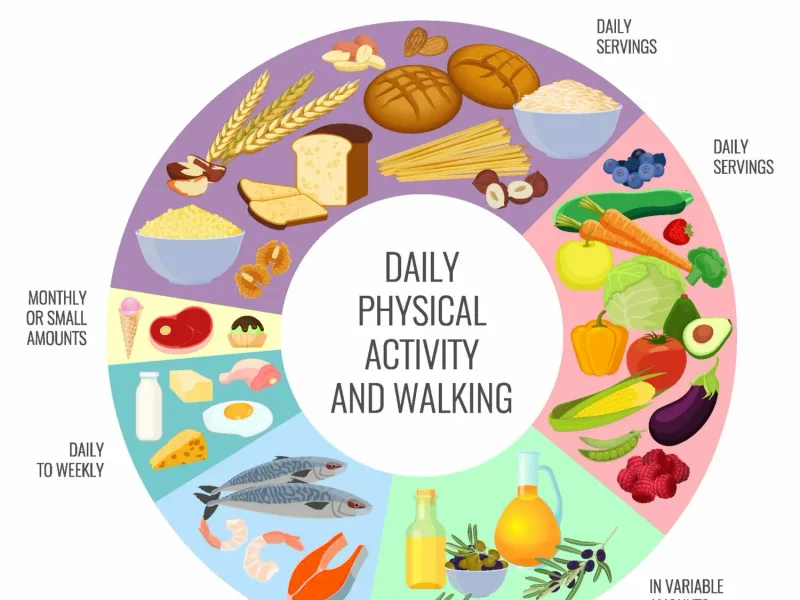
People affected by TB often experience loss of appetite and weight loss. A balanced diet rich in proteins, vitamins, and minerals is essential. This includes incorporating:
- Plenty of fruits and vegetables.
- Whole grains like roti and rice (yes, rice is generally fine unless advised otherwise by your doctor for specific co-existing conditions).
- Lean protein sources such as dal, eggs, and fish.
- Adequate hydration by drinking plenty of water.
Healthcare providers and nutritionists can offer personalized dietary advice. Some government programs also provide nutritional support (like nutritional supplements) to TB individuals.
Lifestyle Modifications
Rest is crucial during TB management. While people are often advised to avoid strenuous activity during the initial intensive phase, gradual reintroduction of light exercise is usually encouraged as their strength improves.
Maintaining good hygiene practices, like covering the mouth and nose when coughing or sneezing, is important to prevent transmission.
Avoiding smoking and limiting alcohol consumption are also key recommendations. These habits can negatively impact lung health and interfere with the effectiveness of TB medications.
Patient Support and Community Engagement
The journey of TB therapy can be long and demanding. Having a strong support system makes a considerable difference. This includes support from family, friends, and community health workers.
In Chhapra, various NGOs and community groups may offer assistance, providing emotional encouragement, aid with understanding care regimens, or even practical aid. You'll notice that individuals who feel connected and supported tend to have better care outcomes.
Living with this is genuinely hard, but you are not alone. Remember the stories of resilience you hear in your neighborhood – they are a testament to the human spirit's ability to overcome challenges.
That's the part worth remembering.
When to Seek Specialist Care
While primary healthcare providers and district TB centers in Chhapra manage most TB cases, certain situations warrant consultation with specialists, such as pulmonologists or infectious disease physicians.
- If your manifestations worsen despite standard therapy.
- If you are diagnosed with drug-resistant TB.
- If you have major side effects from the medications.
- If you have co-existing conditions like HIV or diabetes that complicate TB management.
- If you experience intervention failure or relapse.
These specialists possess advanced expertise to manage complex TB cases, ensuring the most effective and reliable approach is taken.
Looking Ahead: Towards TB Elimination
The goal is not just care but the elimination of TB. Continued vigilance, adherence to approach, and robust public health initiatives are key. The commitment of healthcare providers in Chhapra, alongside patient dedication, is vital in this fight. We often see remarkable recoveries when everyone works together.
Remember, TB is curable, and recovery is possible with timely and appropriate care. Your health is your wealth – take proactive steps to protect it.
Frequently Asked Questions
Can I eat rice if I have tuberculosis?
Yes, in most cases, you can eat rice when you have tuberculosis. Rice is a staple carbohydrate that provides energy. Ensure your overall diet is balanced and includes protein, vitamins, and minerals to support your recovery. Consult your doctor or a dietitian if you have specific dietary concerns.
How long does TB therapy take in Chhapra?
Standard intervention for drug-susceptible TB typically lasts for six months. Drug-resistant TB requires a longer duration, often 18 to 24 months. It is crucial to complete the entire course of medication as prescribed by your physician to ensure a full recovery and prevent relapse.
Recovery is rarely linear.
Is TB contagious? How can I prevent spreading it?
Yes, pulmonary TB is contagious and spreads through the air when an infected person coughs, sneezes, or speaks. To prevent spreading, cover your mouth and nose when coughing or sneezing, ensure good ventilation in your living space, and strictly adhere to your prescribed TB intervention.
Your infectious period usually ends after a few weeks of impactful management.
What are the typical side effects of TB medication?
widespread side effects can include nausea, vomiting, loss of appetite, and changes in urine color (especially with rifampicin). Less widespread but more serious side effects can affect the liver or nerves.
Report any persistent or severe side effects to your doctor immediately; they can often manage these with supportive care or by adjusting the medication.
Always consult a qualified physician before making medical decisions.