Understanding Tuberculosis Treatment in Dehri
Tuberculosis (TB) remains a significant public health challenge in India, and Dehri is no exception. Effectively managing and treating TB is crucial for both individual recovery and community well-being.
This guide provides an in-depth look at tuberculosis management protocols available in Dehri, focusing on proven strategies and patient support systems.
Practically speaking, TB is a bacterial infection, primarily caused by Mycobacterium tuberculosis, that most often affects the lungs. However, it can attack other parts of the body too. Understanding the disease is the first step toward successful therapy.
The Cornerstone of TB Care: DOTS Therapy
The most impactful approach to TB approach globally, and a vital strategy in Dehri, is Directly Observed therapy, Short-course (DOTS). This World Health Organization (WHO)-recommended strategy ensures patients take their medication consistently.
It involves a health worker or trained volunteer observing each dose administration. This direct observation is key to preventing drug resistance and ensuring cure.
How DOTS Works:
- Direct Observation: A healthcare provider watches the patient swallow each prescribed dose of anti-TB drugs.
- Standardized approach: approach regimens are fixed and based on international guidelines, typically lasting 6 months or longer.
- Drug Supply: Regular and uninterrupted supply of quality-assured medicines is guaranteed.
- Monitoring: Regular monitoring of patient progress and care response is performed.
The National Tuberculosis Elimination Programme (NTEP), formerly RNTCP, oversees DOTS implementation across India. In Dehri, government health facilities and designated DOTS centers are the primary points for accessing this vital care. Physicians in these centers work diligently to enroll eligible sufferers into the program.
Diagnosing Tuberculosis: The First Step
Before management can begin, accurate diagnosis is essential. Several methods are employed to detect TB. Think about it this way: finding the enemy is the first step in winning the war against the disease.
Most people overlook this completely.
- Sputum Smear Microscopy: This is a basic and rapid diagnostic test where a sample of coughed-up mucus (sputum) is examined under a microscope for the presence of TB bacteria.
- CBNAAT (Cartridge-Based Nucleic Acid Amplification Test): This is a more advanced, rapid molecular test that detects the presence of TB bacteria and also identifies resistance to rifampicin, a crucial first-line drug. AIIMS and other leading institutions advocate for its widespread use.
- Chest X-ray: Often used to identify abnormalities in the lungs consistent with TB.
- Culture and Sensitivity Testing: This involves growing the bacteria in a lab to confirm the diagnosis and determine which drugs are most effective.
Early detection through these diagnostic tools allows physicians to initiate appropriate therapy promptly, significantly boosting the chances of a full recovery.
TB Medications: A Regimen for Recovery
TB therapy involves a combination of powerful antibiotics taken for an extended period. The standard regimen, as recommended by the WHO and followed by specialists in Dehri, typically includes four drugs initially: Isoniazid, Rifampicin, Pyrazinamide, and Ethambutol. These are often referred to as the first-line drugs.
The duration of therapy is critical. For drug-susceptible TB, the standard course lasts six months. The initial intensive phase, lasting two months, uses all four drugs.
This is followed by a continuation phase of four months, usually with Isoniazid and Rifampicin. But why does this happen? This phased approach is designed to kill the bacteria effectively while minimizing the risk of relapse.
Drug-Resistant TB (DR-TB):
A growing concern is drug-resistant TB. If those affected do not complete their prescribed intervention or take medications incorrectly, the bacteria can develop resistance.
intervention for DR-TB is longer, more complex, and involves second-line drugs, which can have more side effects. Honestly, managing DR-TB requires specialized expertise and dedicated patient support.
Pulmonary vs. Extrapulmonary TB intervention
While pulmonary TB (affecting the lungs) is most common, TB can occur in other parts of the body, such as the lymph nodes, bones, kidneys, or brain. This is known as extrapulmonary TB.
- Pulmonary TB: Primarily treated with the standard oral antibiotic regimen described above.
- Extrapulmonary TB: intervention is similar, but may require a longer duration. For TB affecting the brain (TB meningitis) or bones, surgery might occasionally be needed alongside medication. Corticosteroids are also sometimes used to reduce inflammation.
Specialists in Dehri tailor the approach based on the site and severity of the infection. Close monitoring ensures the therapy remains successful.
Navigating intervention Challenges
Living with TB is genuinely hard. The long duration of therapy, potential side effects from medications, and the social stigma associated with the disease can pose marked hurdles for people affected.
typical side effects include nausea, vomiting, loss of appetite, and changes in urine colour (Rifampicin turns urine orange-red). Less prevalent but serious side effects can affect the liver or nerves.
Strategies to Overcome Challenges:
- Patient Education: Understanding the importance of adherence and knowing potential side effects helps those affected manage them better.
- Side Effect Management: Physicians work with individuals to manage side effects, sometimes adjusting dosages or prescribing supportive medications.
- Nutritional Support: A balanced diet is vital for recovery. Local health workers often provide guidance on nutrition, much like a mother ensures her children eat well.
- Psychosocial Support: Addressing the mental and emotional toll of TB is crucial. Support groups and counseling can be very beneficial.
Is there a better way? Continuous support and open communication between people and their healthcare providers are paramount to successful outcomes.
The Role of Healthcare Providers in Dehri
Physicians, nurses, and community health workers in Dehri play a vital role. They not only administer DOTS but also provide crucial counseling, monitor progress, and manage adverse drug reactions. Their dedication ensures that the therapy protocols are followed meticulously. They are the frontline soldiers in the fight against TB in the region.
Recovery is rarely linear.
The NTEP provides guidelines and training to ensure healthcare professionals are equipped to manage TB effectively. Collaboration between public and private healthcare sectors is also encouraged to improve reach and access to care for all affected individuals.
Recovery and Post-care Care
Completing TB approach is a considerable achievement. However, recovery is a journey. After finishing the prescribed course, some individuals may experience lingering symptoms or require follow-up care.
- Follow-up Visits: Regular check-ups help monitor for any signs of relapse or long-term complications.
- Rehabilitation: For those with severe lung damage, physiotherapy or pulmonary rehabilitation might be recommended.
- Preventive Measures: Understanding how TB spreads helps individuals take precautions to prevent reinfection or transmission to others. Good hygiene practices, like covering the mouth when coughing, are essential.
Worth knowing: Early detection and consistent adherence to the full therapy course are the most reliable ways to achieve a complete cure and prevent long-term health issues.
Conclusion: Hope and Healing in Dehri
Tuberculosis therapy in Dehri, guided by national programs and international standards, offers a clear path to recovery. With the robust DOTS strategy, advanced diagnostics, and dedicated healthcare professionals, successful outcomes are achievable for the vast majority of individuals.
Remember, timely diagnosis and unwavering adherence to the therapy plan are your strongest allies. You are not alone on this journey; support is available every step of the way.
Frequently Asked Questions
What are the first signs of tuberculosis?
The most prevalent signs of pulmonary TB include a persistent cough lasting three weeks or longer, sometimes with blood-tinged sputum. Other indicators can be chest pain, fever, fatigue, weight loss, and night sweats.
The numbers don't lie.
How long does TB approach typically last?
For drug-susceptible TB, the standard therapy duration is six months. This involves an initial intensive phase followed by a continuation phase. Drug-resistant TB requires a much longer and more complex care regimen.
Can TB be cured completely?
Yes, TB is curable with the right medication and consistent adherence to the full care course. Completing the entire regimen as prescribed by a doctor is vital to ensure the bacteria are eradicated and to prevent the development of drug resistance.
What is the role of diet in TB intervention?
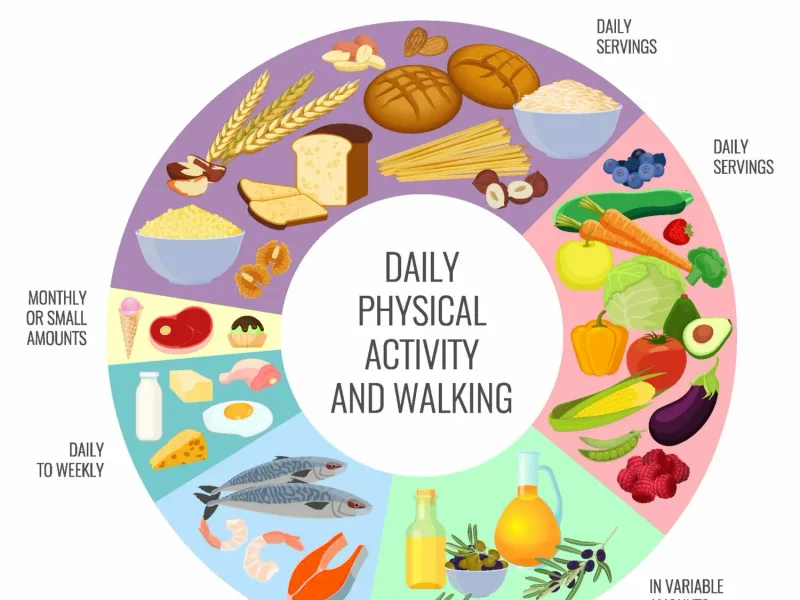
A nutritious and balanced diet is crucial for supporting the body's recovery process during TB approach. While no specific food cures TB, adequate protein, vitamins, and minerals aid strengthen the immune system and combat the infection. Good nutrition also helps manage management side effects.
Always consult a qualified physician before making medical decisions.