Understanding Tuberculosis Care in East Singhbhum
Tuberculosis (TB), a bacterial infection primarily affecting the lungs, presents a significant public well-being challenge globally and within India. East Singhbhum district, like many regions, continuously addresses the task of managing and providing effective care for TB cases.
This guide, from a senior medical content writer at Doctar, aims to illuminate the current landscape of TB therapy in the district, offering insights into detection, care protocols, and available vital support systems.
The journey of TB therapy can be long and demanding for both individuals affected and medical providers. The reason is straightforward: TB requires a sustained, multi-medication approach to eradicate the bacteria completely and prevent drug resistance.
In East Singhbhum, the primary approach to TB management adheres to national guidelines set by the Revised National Tuberculosis Elimination Programme (RNTCP). These guidelines, largely based on World Health Organization (WHO) recommendations, are continuously updated to incorporate advancements in diagnostics and therapeutics.
It sounds simple. It rarely is.
The cornerstone of this program is the Directly Observed Treatment, Short-course (DOTS) strategy.
The Backbone of TB Management: DOTS Strategy
DOTS is a reliable approach where a medical worker or trained volunteer observes an individual taking their anti-TB medications. This ensures adherence to the prescribed regimen, which is crucial for successful therapy and preventing disease spread.
In East Singhbhum, DOTS centers operate within government medical facilities, including primary health centers and district hospitals, making care accessible to many.
The DOTS strategy has been instrumental in improving therapeutic outcomes across India. It ensures that individuals complete their full course of medication, typically lasting six months or longer, depending on the TB type and severity.
Components of Standard TB Therapy
Standard TB therapy involves a combination of powerful antibiotics. For drug-susceptible pulmonary TB, the typical regimen includes:
- Isoniazid (H): An essential first-line medication that eliminates TB bacteria.
- Rifampicin (R): Another vital antibiotic highly impactful against TB.
- Pyrazinamide (Z): Used during the intensive phase to shorten therapy duration.
- Ethambutol (E): Often used initially to prevent resistance.
These medications are usually administered in two phases: an intensive phase (typically 2 months) with four agents, followed by a continuation phase (4-7 months) with two agents (usually Isoniazid and Rifampicin). Physicians tailor the exact duration and combination of medications based on the individual's clinical condition, drug susceptibility testing results, and any co-existing medical conditions.
Detecting TB in East Singhbhum
Accurate and timely detection is the first vital step in reliable TB care. In East Singhbhum, diagnostic services are available at designated government facilities. These include:
- Sputum Microscopy: A traditional method where sputum samples are examined under a microscope for acid-fast bacilli (AFB). While cost-impactful, its sensitivity can be limited.
- CBNAAT (Cartridge-Based Nucleic Acid Amplification Test): This rapid molecular test detects TB bacteria and simultaneously identifies Rifampicin resistance. It represents a key advancement, enabling faster identification and appropriate therapy initiation. Several facilities in the district are equipped with CBNAAT machines.
- GeneXpert MTB/RIF Ultra: An updated CBNAAT version, offering enhanced sensitivity for identifying TB and rifampicin resistance, even in smear-negative cases.
- Chest X-rays: Used to visualize the lungs and identify characteristic changes indicative of TB.
- Culture and Sensitivity Testing: Though more time-consuming, this method confirms TB bacteria presence and determines their susceptibility to various anti-TB medications, which is crucial for managing complex cases.
Early identification of signs and symptoms like a persistent cough (lasting over two weeks), fever, night sweats, and unexplained weight loss is paramount. If you or someone you know experiences these, seeking prompt medical attention at a nearby medical center in the district is highly recommended. Seek help immediately.
Most people overlook this completely.
Addressing Drug-Resistant TB (DR-TB)
Drug-resistant TB (DR-TB), encompassing multidrug-resistant TB (MDR-TB) and extensively drug-resistant TB (XDR-TB), presents a more meaningful challenge. MDR-TB is defined as resistance to at least Isoniazid and Rifampicin, the two most potent first-line agents.
The emergence of DR-TB often results from incomplete or improperly managed therapy for drug-susceptible TB.
Managing DR-TB requires specialized care regimens involving second-line medications. These regimens are longer (often 18-24 months), more complex, and can have more side effects.
In East Singhbhum, DR-TB cases are managed at designated care centers equipped for these complexities. The RNTCP program provides newer, more reliable medications, including bedaquiline and delamanid, which have revolutionized DR-TB management.
Continuous surveillance, prompt identification using molecular tests like GeneXpert, and strict adherence to therapeutic protocols are key. Preventing resistance development through impactful management of all TB cases is the most impactful strategy.
Individual Experiences and Support Systems
Living with TB is hard. The long duration of care, potential medication side effects, and social stigma can take a notable toll on individuals. Many affected people in East Singhbhum rely heavily on support from medical workers, family members, and community volunteers.
That alone changes everything.
The RNTCP program in the district emphasizes person-centric care. This includes nutritional support (like free food rations or supplements), counseling services to address psychological distress and stigma, and assistance with travel expenses to DOTS centers.
These support mechanisms are vital for ensuring therapy completion and improving the overall quality of life for those affected.
Individuals are often motivated by fully understanding their problem and care plan. Open communication with their physicians is crucial.
For instance, if an individual experiences side effects like nausea or dizziness, reporting it immediately allows the doctor to adjust the regimen or manage the side effect effectively. This collaborative approach strengthens the individual-physician bond.
Consider preparing a complex Indian dish like Biryani. It requires precise ingredients, careful timing, and consistent attention for the perfect result. Similarly, TB therapy demands unwavering adherence to the medication schedule and diligent follow-up with medical providers to ensure a successful outcome. Success demands adherence.
Nutritional Support: Fueling Recovery
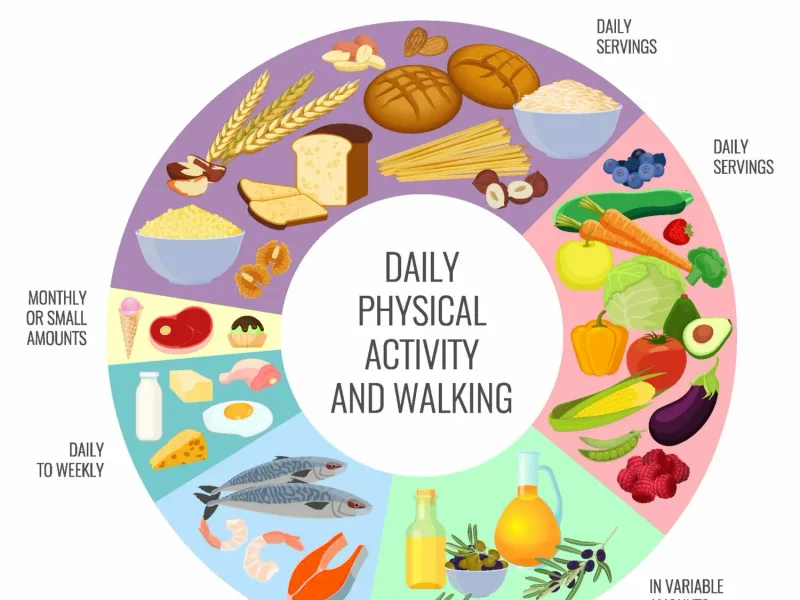
Nutrition plays a vital role in bolstering the immune system's fight against TB. A well-balanced diet helps individuals tolerate medications better and speeds up recovery.
The RNTCP program often provides nutritional counseling and supplements to affected individuals, especially those who are underweight or malnourished. Emphasis is placed on consuming protein-rich foods, fruits, and vegetables.
Here's where it gets interesting.
India bears a high burden of malnutrition, which can exacerbate TB. Ensuring adequate nutrition is not just about recovery; it's about strengthening the body's defenses. For example, a diet rich in Vitamin C (found in citrus fruits) and protein (from lentils and dairy) can assist the body in fighting the infection more effectively.
Preventive Measures and Public Initiatives
While care focuses on curing existing TB cases, preventive measures are equally important. BCG vaccination is given to newborns to protect them against severe forms of TB.
Public initiatives in East Singhbhum aim to raise awareness about TB warning signs, transmission, and the importance of completing therapy. Early identification and care for individuals with latent TB infection (LTBI) can prevent them from developing active TB disease.
The Central TB Division of the Ministry of Family Welfare, Government of India, collaborates closely with state and district medical authorities, including those in Jharkhand, to implement these programs. Initiatives like community outreach programs and TB awareness campaigns in schools and workplaces are crucial for reducing stigma and encouraging early assist-seeking behavior.
According to the WHO, India has the highest TB burden globally, accounting for approximately 2.8 million cases in 2022. Early detection and adherence to therapy are key to reversing this trend. The RNTCP aims to eliminate TB by 2025, a goal requiring concerted efforts from medical providers, individuals, and the community.
This is where most patients struggle.
The Role of Technology and Innovation
Technological advancements are transforming TB care. Point-of-care diagnostics like CBNAAT and GeneXpert have significantly reduced the time to identification.
Newer medications like bedaquiline and delamanid offer hope for individuals with DR-TB, with shorter and more tolerable regimens compared to older second-line agents. Telemedicine is also emerging as a tool to provide remote consultations and support, especially beneficial in geographically challenging areas.
The ICMR (Indian Council of Medical Research) actively supports research into new diagnostic tools and therapeutic strategies for TB. Innovations in medication delivery systems and host-directed therapies are also areas of active global investigation, promising even better outcomes in the future.
Looking Ahead: Towards TB Elimination
The path to TB elimination in East Singhbhum is paved with consistent effort, access to quality care, and unwavering support for individuals. The district medical authorities, in collaboration with national and international organizations, are committed to strengthening TB services.
This includes ensuring essential medicines' availability, training medical professionals, and actively engaging communities in the fight against TB.
By understanding the care protocols, recognizing the signs, and seeking timely medical aid, individuals can significantly contribute to their recovery and the broader goal of TB elimination. TB is curable. With the right approach, a healthy life is achievable.
And yet, so many people miss it.
Key Takeaways
- DOTS remains the primary strategy for TB care in East Singhbhum, ensuring medication adherence.
- Detection relies on methods like sputum microscopy, CBNAAT, and GeneXpert for timely identification.
- Drug-resistant TB requires specialized, longer care regimens with newer, more proven medications.
- Nutritional support and individual counseling are vital components of thorough TB management.
- Public initiatives focus on awareness, prevention, and reducing the stigma associated with TB.
Frequently Asked Questions
Should I stop taking my TB medication once I feel better?
No, completing the full prescribed course of TB medication is essential, even if signs improve. Prematurely discontinuing therapy risks infection recurrence and the emergence of drug-resistant TB, making subsequent management far more challenging.
What are the common side effects of TB medications?
Typical side effects may involve nausea, vomiting, appetite loss, dizziness, and altered urine color (particularly with Rifampicin). Skin rashes or joint discomfort can also occur. Promptly inform your doctor of any adverse reactions, as they are often manageable.
How is TB spread, and how can I prevent it?
TB spreads mainly airborne, when an infected individual with pulmonary TB coughs, sneezes, or speaks. To prevent transmission, cover your mouth and nose when coughing or sneezing, ensure good ventilation, and seek early detection and therapy if you suspect the problem. BCG vaccination also safeguards children from severe disease manifestations.
Always consult a qualified medical professional before making medical decisions.