Understanding Tuberculosis Treatment in Gaya
Tuberculosis, or TB, remains a significant public health challenge in India, and Gaya is no exception. Prompt and proper care is absolutely crucial for recovery and preventing further spread.
We often see people struggling with the long duration of therapy, but understanding the process can make a world of difference. This guide aims to provide clear information on TB approach available in Gaya, empowering those affected to navigate their care journey effectively.
Living with TB is genuinely hard, both physically and emotionally. The journey requires commitment, but with the right approach and support systems, complete recovery is achievable. Here's the thing — the medical landscape in Gaya offers a structured path towards healing, guided by national and international standards.
Diagnosis: The First Vital Step
Before any care can begin, accurate diagnosis is paramount. Physicians in Gaya employ several methods to confirm TB. These include:
- Sputum Microscopy: This is a fundamental diagnostic test. A sample of your phlegm (sputum) is examined under a microscope for the presence of Mycobacterium tuberculosis, the bacteria causing TB. Results are usually available within 24-48 hours.
- CBNAAT (Cartridge-Based Nucleic Acid Amplification Test): This advanced molecular test detects TB bacteria and also identifies resistance to rifampicin, a key anti-TB drug, in just under two hours. It's a vital tool for rapid diagnosis and guiding therapy.
- Chest X-ray: This imaging technique helps visualize the lungs for characteristic signs of TB, such as spots or cavities. It's particularly useful for pulmonary TB.
- Tuberculin Skin Test (TST) and Interferon-Gamma Release Assay (IGRA): These tests help detect latent TB infection (when bacteria are present but not causing active disease). They are often used to screen individuals who may have been exposed but aren't showing symptoms.
Practically speaking, specialists in Gaya will often combine these tests to arrive at a definitive diagnosis, ensuring the correct intervention plan is initiated without delay.
The Backbone of TB Therapy: DOTS
The cornerstone of TB care globally, and extensively implemented in Gaya, is the Directly Observed management, Short-course (DOTS) strategy. The World Health Organization (WHO) endorses this approach for its high success rates.
How serious is this really? DOTS ensures that patients take their anti-TB medications consistently and correctly under the supervision of a trained healthcare worker, known as a DOT provider.
Why DOTS is So Important:
- Ensures Adherence: It combats the common problem of sufferers stopping medication prematurely, which can lead to therapy failure and drug resistance.
- Reduces Drug Resistance: Consistent intake of the full prescribed course prevents the development of multi-drug resistant TB (MDR-TB).
- Improves Outcomes: those affected on DOTS have a significantly higher chance of being cured.
In Gaya, you'll find DOT centers in government hospitals, primary health centers, and even some community clinics. These providers are your allies, offering support and monitoring your progress throughout the intervention period.
It sounds simple. It rarely is.
Standard TB intervention Regimens
therapy duration for drug-susceptible TB typically spans six months. The therapy involves a combination of different anti-TB drugs. A standard regimen, as recommended by the Revised National Tuberculosis Control Programme (RNTCP) in India, usually includes:
- Intensive Phase (First 2 Months): This phase typically uses four drugs: Isoniazid (H), Rifampicin (R), Pyrazinamide (Z), and Ethambutol (E). This potent combination aims to rapidly kill the majority of bacteria.
- Continuation Phase (Next 4 Months): After the intensive phase, the regimen is usually simplified to two drugs: Isoniazid (H) and Rifampicin (R). This phase ensures any remaining bacteria are eliminated.
What's the bottom line here? Adhering strictly to this prescribed course is vital for successful eradication of the TB bacteria. Physicians carefully tailor these regimens based on the patient's condition, weight, and any co-existing health issues. (Like diabetes or HIV, which require special consideration).
Addressing Drug-Resistant TB
Drug-resistant TB (DR-TB) poses a major challenge. MDR-TB (resistant to at least isoniazid and rifampicin) and extensively drug-resistant TB (XDR-TB) require longer, more complex approach regimens using second-line drugs. These therapies can last 18-24 months or even longer.
Specialized centers and trained specialists in Gaya are equipped to manage DR-TB cases. care involves a careful selection of drugs based on drug-susceptibility testing results. This approach is critical for improving outcomes in these difficult cases.
Recovery is rarely linear.
Extrapulmonary Tuberculosis (TB Outside the Lungs)
TB can affect other parts of the body besides the lungs, such as the lymph nodes, bones, kidneys, or brain. This is known as extrapulmonary TB. While the principles of therapy remain similar, the duration and specific drug combinations might vary.
For instance, TB meningitis (affecting the brain) often requires a longer course of therapy, sometimes up to 12 months, and may involve corticosteroid therapy to reduce inflammation. Specialists in Gaya will assess the site and severity of infection to guide the appropriate care approach.
Managing approach Side Effects
Anti-TB medications are powerful and can sometimes cause side effects. prevalent indicators include nausea, vomiting, loss of appetite, skin rashes, and fatigue. Less widespread but serious side effects can affect the liver, eyes, or nerves. Honestly, managing these requires open communication with your healthcare provider.
Physicians in Gaya are vigilant about monitoring for side effects. They might adjust dosages, prescribe supportive medications (like Vitamin B6 to prevent nerve damage from Isoniazid), or, in rare cases, switch to alternative drugs.
And yet, so many people miss it.
It's imperative that people affected report any new or unusual warning signs immediately. This proactive approach helps prevent complications and ensures therapy can continue smoothly.
The Role of Nutrition and Lifestyle
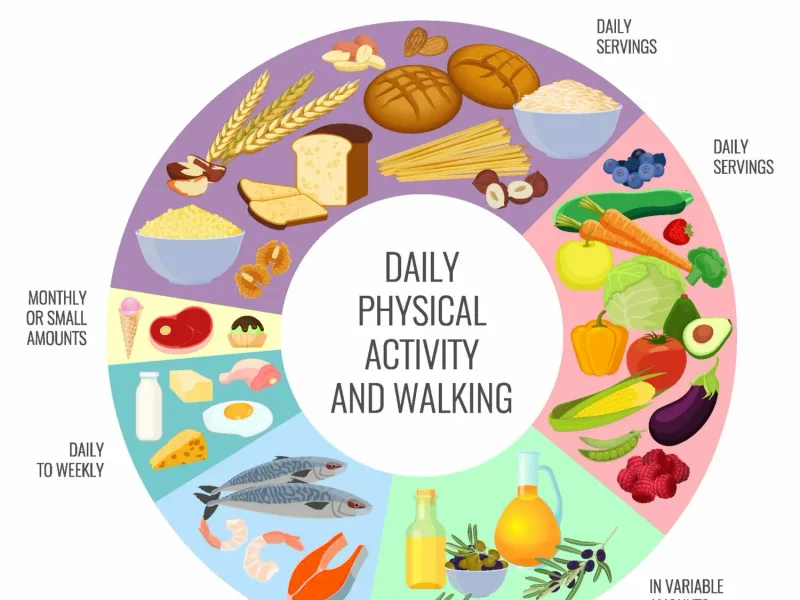
Good nutrition is vital for strengthening the body's ability to fight infection and recover from TB. A balanced diet rich in proteins, vitamins, and minerals supports the immune system. Think of it like tending to a sapling; it needs good soil and water to grow strong. People undergoing care are often advised to consume:
- Plenty of fresh fruits and vegetables.
- Whole grains like roti and rice.
- Lean protein sources such as dal, eggs, and lean meats.
- Adequate fluids.
Avoiding alcohol is also strongly recommended, as it can worsen liver damage, a potential side effect of some TB drugs. Rest is equally key; allow your body the time it needs to heal. Gentle exercise, once approved by your doctor, can also boost energy levels and overall well-being.
Support Systems: Beyond Medication
The journey through TB intervention can be arduous. Support from family, friends, and community is central to. Recognizing this, various initiatives in Gaya aim to provide holistic support:
- Patient Support Groups: Connecting with others who have gone through or are going through TB care can offer immense emotional strength and practical advice.
- Counseling Services: Emotional distress is widespread. Accessing counseling can support manage anxiety and depression associated with the illness and its management.
- Nutritional Support: Some programs provide nutritional supplements or food kits to ensure sufferers maintain adequate intake, especially those from economically disadvantaged backgrounds.
- Community Health Workers: These dedicated individuals often go above and beyond, providing not just medication support but also acting as a crucial link between those affected and the healthcare system.
Worth knowing: Early engagement with these support networks can significantly enhance adherence and recovery rates. Don't hesitate to seek support.
Key Institutions and Resources in Gaya
Gaya benefits from a network of healthcare facilities dedicated to TB care. Government hospitals and district TB centers are primary points of contact, offering free diagnosis and therapy under the RNTCP.
Private clinics and diagnostic centers also play a role, often equipped with advanced diagnostic tools. For complex cases or specialized advice, referrals to higher medical institutions like AIIMS Patna might be considered, although local expertise is robust.
And yet, so many people miss it.
Looking Ahead: Prevention and Hope
While therapy is the focus here, prevention remains vital. Practicing good respiratory hygiene—coughing into your elbow, regular hand washing—helps limit the spread of infection. Vaccination with BCG for infants is also a key preventive measure.
The medical community in Gaya is committed to combating TB through effective care, patient support, and public awareness campaigns. With timely diagnosis and consistent adherence to the prescribed therapy, people affected by TB can look forward to a full and healthy life. Embrace the management plan, lean on your support system, and trust in the proven medical approaches available.
Frequently Asked Questions
Can I eat rice if I have TB?
Yes, you can generally eat rice when undergoing TB therapy. Rice is a staple carbohydrate source that provides energy. Ensure your overall diet is balanced with proteins, vitamins, and minerals to support recovery.
How long does TB intervention last?
Standard management for drug-susceptible TB lasts for six months. However, intervention for drug-resistant TB can be much longer, often 18-24 months or more, depending on the specific resistance patterns.
The numbers don't lie.
Are TB medications free in Gaya?
Diagnosis and care for TB, including essential medications, are provided free of charge at government healthcare facilities under the RNTCP in Gaya and across India.
What are the frequent side effects of TB drugs?
typical side effects can include nausea, loss of appetite, stomach upset, and skin rashes. More serious side effects, like liver damage or nerve problems, can occur but are less frequent. Always report any side effects to your doctor promptly.
Always consult a qualified physician before making medical decisions.