Understanding Tuberculosis Treatment in Godda
Tuberculosis (TB), a bacterial infection primarily affecting the lungs, remains a significant public health challenge in India. In Godda, like elsewhere, effective approach is crucial for recovery and preventing further spread.
We often see patients struggling with the long duration of therapy, but adhering to the prescribed regimen is vital. This guide, drawing from established clinical practices and local health initiatives, aims to clarify the TB therapy landscape in Godda.
Practically speaking, TB management involves a multi-drug approach over several months. This sustained therapy is designed to eliminate the Mycobacterium tuberculosis bacteria completely and prevent the development of drug resistance. Physicians in Godda follow guidelines set by national and international bodies, ensuring a standardized and reliable approach to care.
Diagnosis: The First Step to Recovery
Accurate diagnosis is the cornerstone of successful TB therapy. Initial suspicion often arises from persistent cough (lasting over two weeks), fever, night sweats, and unexplained weight loss.
What most people miss is that these signs can be subtle and may overlap with other respiratory illnesses. Early consultation with a healthcare provider is therefore essential.
Diagnostic Methods in Godda
In Godda district, diagnostic services are available at various primary health centres and the district hospital. These typically include:
- Sputum Microscopy: This is a widely used and cost-reliable method. A sample of coughed-up mucus (sputum) is examined under a microscope for the presence of TB bacilli.
- CBNAAT (Cartridge-Based Nucleic Acid Amplification Test): This advanced molecular test can detect TB bacteria and also identify resistance to rifampicin, a key first-line drug, within hours. Its availability is expanding in Godda.
- Chest X-ray: Radiography helps identify characteristic changes in the lungs caused by TB, aiding in diagnosis and assessing disease extent.
- Biopsy and Culture: For extrapulmonary TB (TB affecting parts other than the lungs), tissue samples may be collected for culture and sensitivity testing.
The National Tuberculosis Elimination Programme (NTEP), formerly RNTCP, ensures that diagnostic services are accessible, often free of charge, to all individuals. India has seen major progress; for instance, in 2022, over 2 million TB cases were notified nationwide (WHO, Global TB Report 2023).
The Pillars of TB approach: Drug Therapy
TB therapy is a marathon, not a sprint. The standard approach involves a combination of antibiotics taken for a minimum of six months, sometimes longer, depending on the type and severity of TB.
First-Line management Regimen
For drug-susceptible TB, the standard regimen, as recommended by the WHO and implemented by the NTEP, typically includes:
- Intensive Phase (2 months): Isoniazid, Rifampicin, Pyrazinamide, and Ethambutol.
- Continuation Phase (4 months or more): Isoniazid and Rifampicin.
These medications work synergistically to kill the bacteria and prevent resistance. The specific combination and duration are tailored by the treating physician based on the patient's condition and response.
Most people overlook this completely.
Think about it this way: it’s like a carefully orchestrated symphony, where each instrument (drug) plays its part at the right time to create a harmonious outcome (cure).
Drug-Resistant TB (DR-TB) therapy
Drug resistance is a serious concern. If TB bacteria are not fully eradicated due to incomplete therapy or incorrect drug use, they can develop resistance to one or more TB drugs. DR-TB requires longer, more complex intervention regimens with second-line drugs, which may have more side effects and are often more expensive.
Early detection of resistance, through tests like CBNAAT, is vital for initiating appropriate therapy promptly. The World Health Organization estimates that in 2022, 160,000 people died from multidrug-resistant TB globally (WHO, Global TB Report 2023).
The Importance of Adherence: DOTS Therapy
Adherence to the care schedule is paramount. Missing doses or stopping therapy prematurely can lead to intervention failure and the development of drug resistance. To address this, India widely implements the Directly Observed approach, Short-course (DOTS) strategy.
How DOTS Works
Under DOTS, a trained healthcare worker or a community volunteer (DOT provider) directly observes the patient swallowing each dose of medication. This ensures that the patient takes the full course of intervention correctly.
That's the part worth remembering.
In Godda, DOT providers are an integral part of the TB control program, offering support and monitoring at the community level. Honestly, the dedication of these DOT providers is often the backbone of successful therapy for many individuals.
Is there a better way to ensure adherence? While DOTS is highly successful, patient education and support systems play a complementary role. Understanding the importance of each dose and the consequences of non-adherence empowers those affected to take ownership of their health.
Managing Side Effects and Nutritional Support
TB medications, while powerful, can sometimes cause side effects. Common ones include nausea, vomiting, loss of appetite, and changes in urine colour (due to Rifampicin). Some people might experience tingling or numbness in their hands and feet (neuropathy), often related to Isoniazid use.
Patient Experiences and Support
We often see individuals experiencing fatigue and discomfort. Living with this is genuinely hard, especially when managing daily responsibilities alongside care.
It’s crucial for people to report any adverse effects to their doctor or DOT provider immediately. Adjustments to the regimen or supportive medications can often manage these issues effectively.
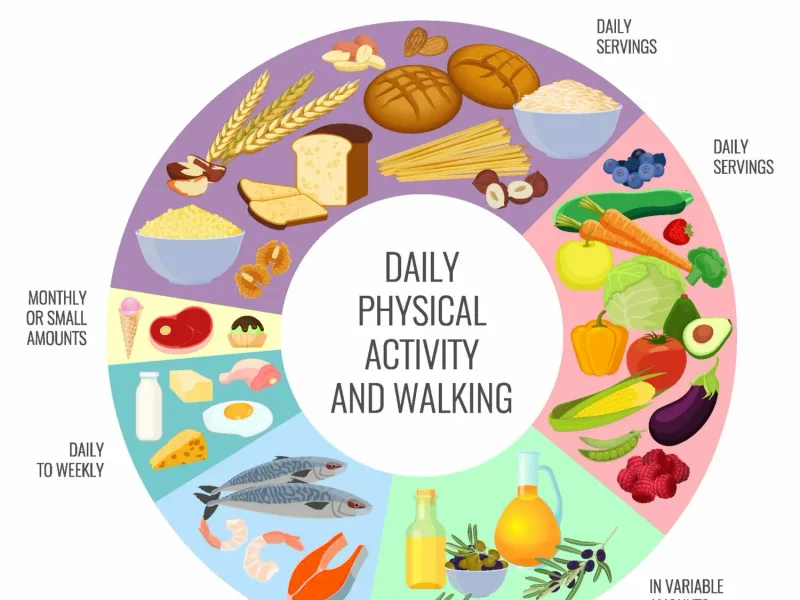
Nutritional support is another vital component. A balanced diet helps the body fight the infection and cope with the side effects of medication. A diet rich in proteins, vitamins, and minerals is recommended. Think of it like tending to a plant; good soil (nutrition) helps it grow strong and resist pests (infection and side effects).
That alone changes everything.
The Indian government, through the Nikshay Poshan Yojana, provides nutritional support to TB people, offering a monthly cash incentive to purchase nutritious food. This initiative is active in Godda, aiming to improve therapy outcomes by addressing malnutrition.
Extrapulmonary Tuberculosis (EPTB)
TB can affect other parts of the body besides the lungs, including lymph nodes, bones, joints, brain, and intestines. This is known as Extrapulmonary TB (EPTB). How serious is this really?
EPTB can present with many kinds of signs and symptoms, often making diagnosis more challenging than pulmonary TB. intervention for EPTB follows similar principles to pulmonary TB but may require longer durations and specific interventions depending on the site of infection.
Challenges in EPTB Management
Diagnosing EPTB often requires specialized investigations, such as imaging (CT scans, MRI) and biopsies. care adherence remains critical, even when warning signs are less obvious than a persistent cough. Early detection and prompt, appropriate therapy are key to preventing long-term disability.
The Role of Specialists and Healthcare Facilities in Godda
The District TB Centre (DTC) in Godda serves as the nodal point for TB control activities. It oversees diagnosis, approach, drug supply, and monitoring within the district.
Specialists, including pulmonologists and infectious disease experts, are available at district hospitals and empanelled private facilities to manage complex cases, including drug-resistant TB.
Collaboration between government health facilities, private practitioners, and community health workers ensures a robust network of care. What most people miss is that a unified approach, where all healthcare providers are aligned with national guidelines, significantly boosts management success rates.
That's the part worth remembering.
Preventive Measures and Public Awareness
While approach focuses on curing existing infections, prevention is equally crucial. Public awareness campaigns in Godda aim to educate people about TB signs, transmission, and the importance of seeking timely medical help. BCG vaccination for newborns remains a key preventive strategy against severe forms of childhood TB.
Factors like overcrowding, poor ventilation, and malnutrition can increase TB risk. Addressing these social determinants of health is vital for long-term TB elimination.
India aims to eliminate TB by 2025, a goal aligned with the WHO's End TB Strategy. 4 million TB cases in 2023, a testament to intensified efforts (Ministry of Health and Family Welfare, India).
Key Takeaways
- TB management in Godda follows national guidelines, primarily the multi-drug regimen for at least six months.
- DOTS strategy ensures patient adherence, crucial for preventing drug resistance.
- Nutritional support through schemes like Nikshay Poshan Yojana assists sufferers in recovery.
- Early diagnosis via sputum tests, CBNAAT, and X-rays is vital for reliable therapy initiation.
- Drug-resistant TB requires longer, more complex therapy, highlighting the importance of completing prescribed intervention.
Frequently Asked Questions
Can I eat rice if I have tuberculosis?
Yes, you can eat rice as part of a balanced diet when you have tuberculosis. Rice is a good source of carbohydrates for energy. However, ensure your overall diet is nutritious, rich in proteins and vitamins, to support your body's fight against the infection.
How long does TB approach usually last?
Standard TB approach typically lasts for a minimum of six months. This duration may be extended, sometimes up to 18-24 months, particularly in cases of drug-resistant TB or if the infection affects other organs.
What are the prevalent side effects of TB medicines?
prevalent side effects include nausea, loss of appetite, and potential changes in urine colour. Less widespread but possible effects include tingling or numbness. It is essential to report any side effects to your doctor or healthcare provider for management.
It sounds simple. It rarely is.
Is TB curable?
Yes, tuberculosis is curable with a full course of appropriate anti-TB medication. Completing the entire approach regimen as prescribed by a healthcare professional is essential for a successful cure and to prevent the development of drug resistance.
Always consult a qualified physician before making medical decisions.