Understanding Tuberculosis Treatment in Gumla
Pulmonary tuberculosis (TB), a serious infectious disease caused by *Mycobacterium tuberculosis*, primarily affects the lungs. In Gumla, like elsewhere in India, accessing timely and effective management is crucial for recovery and preventing further spread. This guide, drawing on established clinical practices and local health initiatives, aims to clarify the TB intervention landscape for residents of Gumla.
The Importance of Early Diagnosis
Early detection significantly boosts intervention success rates. Physicians in Gumla use several diagnostic methods. Sputum microscopy, a cornerstone of diagnosis, involves examining a patient's phlegm under a microscope for the presence of TB bacteria. Molecular tests, such as the GeneXpert MTB/RIF assay, offer faster and more accurate results, detecting both the bacteria and resistance to rifampicin (a key TB drug) within hours. Chest X-rays are also vital for assessing the extent of lung involvement. Think about it this way: finding the problem early is like spotting a small leak before it floods the house. India has made significant strides, with the National Tuberculosis Elimination Programme (NTEP) aiming to achieve the WHO's End TB Strategy targets.
Standard TB care Protocols
The cornerstone of TB therapy, recommended by the World Health Organization (WHO) and followed by specialists in Gumla, is Directly Observed care, Short-course (DOTS). This approach ensures patients take their medication reliably. Standard intervention for drug-susceptible TB typically involves a six-month regimen. This consists of an intensive phase (two months) with four drugs—isoniazid, rifampicin, pyrazinamide, and ethambutol—followed by a continuation phase (four months) with two drugs, usually isoniazid and rifampicin. Adherence to this regimen is vital; missing doses or stopping therapy early can lead to approach failure and the development of drug-resistant TB.
Drug-Resistant Tuberculosis (DR-TB) in Gumla
Drug-resistant TB poses a meaningful challenge. Multidrug-resistant TB (MDR-TB) is resistant to at least isoniazid and rifampicin, the two most powerful TB drugs. Extensively drug-resistant TB (XDR-TB) is resistant to these plus other fluoroquinolones and at least one second-line injectable drug. care for DR-TB is more complex, requiring longer durations (often 9-20 months) and a different combination of drugs. These regimens can have more side effects, necessitating close monitoring by physicians. The ICMR (Indian Council of Medical Research) continuously works on research to improve DR-TB management. Worth knowing: India reported over 1.3 lakh drug-resistant TB cases in 2022.
The Role of DOTS Providers
DOTS providers are community health workers or trained volunteers who ensure sufferers swallow their TB medicines daily. They are the backbone of the NTEP. In Gumla, these dedicated individuals play an indispensable role, offering not just medication supervision but also emotional support and monitoring for adverse drug reactions. Their presence ensures approach completion, which is critical for successful outcomes. Many of us have seen the positive impact of these frontline health workers.
Nutritional Support and Patient Well-being
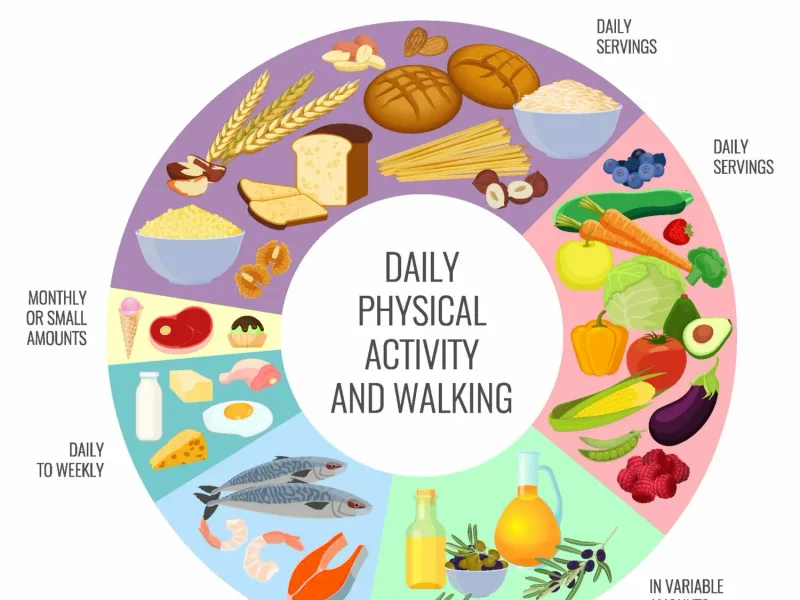
Living with TB is genuinely hard, and nutritional status plays a vital role in recovery. The Indian government, through the Nikshay Poshan Yojana, provides financial assistance (₹500 per month) to TB people for nutritional support. This initiative helps those affected afford nutritious food, which is essential for strengthening their immune system and improving their response to therapy. Good nutrition helps the body fight the infection more effectively.
Challenges in Gumla and Mitigation Strategies
Accessing healthcare in remote or rural areas like parts of Gumla can present challenges. Long travel distances to health facilities, financial constraints, and social stigma associated with TB can hinder intervention adherence. To address this, the NTEP is strengthening its reach through Primary Health Centres (PHCs) and Community Health Centres (CHCs). Mobile diagnostic units and increased community-based DOTS services are being deployed to bring care closer to people. You'll notice that proactive community engagement is key to overcoming these barriers.
Monitoring therapy Progress
Regular follow-up is essential throughout the therapy period. Physicians monitor those affected for symptom improvement, assess for any side effects from the medications, and conduct periodic sputum tests to confirm that the bacteria are being eliminated. A negative sputum test result indicates that the patient is no longer infectious and is responding well to the care. What's the bottom line here? Consistent monitoring ensures the management remains proven and safe.
Preventing TB Transmission
successful TB intervention not only cures the patient but also stops the spread of the disease. Once a patient starts taking anti-TB drugs, they become non-infectious relatively quickly, often within two weeks. Public health messages in Gumla emphasize respiratory hygiene—covering the mouth and nose when coughing or sneezing—and ensuring good ventilation in homes. These simple measures significantly reduce transmission risks. India's goal is to eliminate TB as a public health problem by 2025, a target aligned with the WHO's global goals.
What Happens After care?
Completing the full course of TB intervention is paramount. After successful completion, people are considered cured. However, some individuals may experience long-term effects, such as lung scarring or reduced lung function, which might require ongoing management. Regular health check-ups, especially for those with a history of extensive disease or drug resistance, are recommended. Does this sound familiar? Post-approach care ensures long-term health and well-being.
The Role of Specialists and Public Health Initiatives
While primary healthcare providers initiate TB management, complex cases, particularly those involving drug resistance or notable co-morbidities (like HIV or diabetes), are often managed in consultation with infectious disease specialists or pulmonologists. Institutions like AIIMS (All India Institute of Medical Sciences) provide guidance and support to peripheral health facilities. Public health campaigns in Gumla focus on raising awareness about TB symptoms, the importance of seeking prompt medical attention, and combating the stigma often associated with the disease. The Lancet has highlighted the critical role of integrated care models in TB elimination.
Empowering those affected Through Information
Knowledge is power, especially when navigating a long intervention journey. We often see that individuals who understand their condition, the approach regimen, and potential side effects are more likely to adhere to their therapy. Healthcare providers in Gumla are encouraged to engage those affected in open discussions, answer their questions thoroughly, and provide clear, accessible information about TB and its management. Think about it this way: knowing the map helps you reach your destination safely.
Key Takeaways
- Tuberculosis approach in Gumla follows national guidelines, primarily DOTS, for reliable care.
- Early diagnosis using sputum tests and molecular assays is crucial for successful outcomes.
- Drug-resistant TB requires longer, more complex care regimens with careful monitoring.
- Nutritional support through schemes like Nikshay Poshan Yojana is vital for recovery.
- Community health workers play an indispensable role in ensuring approach adherence.
Always consult a qualified physician before making medical decisions.
Frequently Asked Questions
Can I eat rice if I have tuberculosis?
Yes, you can generally eat rice while undergoing tuberculosis approach. Rice is a staple food and provides energy. However, maintaining a balanced diet rich in proteins, vitamins, and minerals is crucial for recovery. Discuss any specific dietary concerns with your healthcare provider or a nutritionist.
How long does TB management typically last?
Standard care for drug-susceptible TB usually lasts for six months. For drug-resistant forms of TB, the approach duration can be significantly longer, often ranging from 9 to 20 months, depending on the specific resistance pattern and the drugs used.
What are the common side effects of TB medications?
frequent side effects can include nausea, vomiting, loss of appetite, and changes in urine colour. More serious side effects, though less frequent, can affect the liver, nerves, or eyes. It is vital to report any unusual signs to your doctor immediately so they can manage potential issues.
Is TB curable?
Yes, tuberculosis is curable with a full course of appropriate medication. The key to a successful cure is adhering strictly to the prescribed care regimen for its entire duration, even if manifestations elevate earlier. Completing the approach prevents the development of drug resistance and ensures the infection is fully eradicated.
The numbers don't lie.