Understanding Tuberculosis Treatment in Jehanabad
Tuberculosis (TB), a bacterial infection caused by Mycobacterium tuberculosis, remains a significant public health challenge globally and in regions like Jehanabad. While often associated with the lungs (pulmonary TB), it can affect other organs too (extrapulmonary TB). Prompt and consistent therapy is absolutely vital for recovery and preventing further spread. This guide provides an in-depth look at TB therapy approaches available in Jehanabad, emphasizing the crucial role of patient adherence and healthcare support.
The Cornerstone of TB Therapy: Direct Observed intervention, Short-course (DOTS)
The National Tuberculosis Elimination Programme (NTEP), formerly RNTCP, forms the backbone of TB management in India, including Jehanabad. Its most impactful strategy is DOTS.
This approach ensures that patients take their prescribed anti-TB medications under direct observation by a healthcare worker or trained volunteer. You'll notice that this direct supervision is key to preventing missed doses and combating the development of drug resistance.
How DOTS Works in Jehanabad:
- Free Medication: All anti-TB drugs are provided free of charge at government health facilities.
- Observed Doses: people visit a designated DOTS center daily or as prescribed to receive and ingest their medication.
- Regular Monitoring: Healthcare providers track progress, manage side effects, and offer support.
- Defined Duration: Therapy typically lasts for a minimum of 6 months, sometimes longer for complex cases.
Practically speaking, DOTS is designed to be highly effective. It requires commitment from both the patient and the healthcare system.
Diagnostic Approaches for Tuberculosis
Accurate diagnosis is the first crucial step. Physicians in Jehanabad employ several methods:
Microscopic Examination
Sputum microscopy remains a primary diagnostic tool. A sample of coughed-up phlegm is examined under a microscope for the presence of acid-fast bacilli. This method is quick and cost-impactful, especially in resource-limited settings. However, its sensitivity can be limited, particularly in early or paucibacillary disease.
Molecular Tests (CBNAAT/Truenat)
More advanced diagnostics like the Cartridge-Based Nucleic Acid Amplification Test (CBNAAT) or Truenat are increasingly available. These tests can detect TB DNA and also identify resistance to rifampicin, a key first-line drug.
Think about it this way: these tests offer much higher sensitivity and specificity than smear microscopy, providing rapid results crucial for timely approach initiation.
Culture and Sensitivity Testing
For definitive diagnosis and to assess drug resistance patterns, sputum culture is performed. This involves growing the bacteria in a lab. Sensitivity testing then determines which anti-TB drugs are impactful against the specific strain. This is vital for managing drug-resistant TB cases.
That alone changes everything.
Imaging Techniques
Chest X-rays or CT scans help visualize the extent of lung damage caused by TB. While not diagnostic on their own, they are essential for assessing disease severity and monitoring approach response.
Standard intervention Regimens
The standard care for drug-susceptible TB, as per WHO guidelines and adopted by the NTEP, involves a combination of drugs taken over several months. The exact regimen depends on whether it's a new case or a previously treated one, and the presence of any drug resistance.
First-Line care
For newly diagnosed pulmonary TB individuals without known drug resistance, a 6-month regimen is standard. This typically includes:
- Intensive Phase (2 months): Isoniazid, Rifampicin, Pyrazinamide, and Ethambutol (RHZE).
- Continuation Phase (4 months): Isoniazid and Rifampicin (RH).
This combination therapy is proven to be highly reliable in curing most cases and preventing relapse.
intervention for Drug-Resistant TB
Drug-resistant TB (DR-TB), particularly multidrug-resistant TB (MDR-TB) where resistance to at least isoniazid and rifampicin is present, requires longer and more complex management. In real-world terms, managing DR-TB involves using second-line drugs, often for 18-24 months or even longer.
These regimens are tailored based on drug susceptibility testing results and patient factors. Management of DR-TB requires specialized expertise, often found at higher medical centers, though initial diagnosis and support are available locally.
Managing Side Effects and Ensuring Adherence
Anti-TB medications can cause side effects, ranging from mild nausea to more serious issues like liver damage or nerve problems. Common indicators include loss of appetite, nausea, vomiting, and changes in urine color. sufferers in Jehanabad are educated about potential side effects and encouraged to report any unusual symptoms to their healthcare provider immediately.
That's the part worth remembering.
What should you actually do if you experience side effects? Report them promptly to your DOTS provider or physician.
Strategies to Boost Adherence:
- Patient Education: Understanding the disease and the importance of completing therapy is paramount.
- Counseling: Regular counseling sessions address patient concerns and provide motivational support.
- Support Systems: Involving family and community members can significantly enhance adherence.
- Addressing Social Determinants: Factors like nutrition, housing, and financial support are crucial. The district health authorities in Jehanabad often work with NGOs to provide nutritional support (e.g., nutritional kits) and benefit address other socio-economic barriers.
Living with TB is genuinely hard, and consistent support makes a world of difference in completing the long course of intervention.
Extrapulmonary Tuberculosis intervention
TB can affect lymph nodes, bones, the brain (tuberculous meningitis), kidneys, and other organs. care for extrapulmonary TB generally follows similar principles to pulmonary TB, often involving a 6-month or longer regimen of first-line drugs.
However, the specific drugs and duration may be modified based on the site and severity of the infection. For instance, tuberculous meningitis requires a longer duration and often includes corticosteroids to reduce inflammation, as recommended by institutions like the WHO.
The Role of Nutrition and Lifestyle
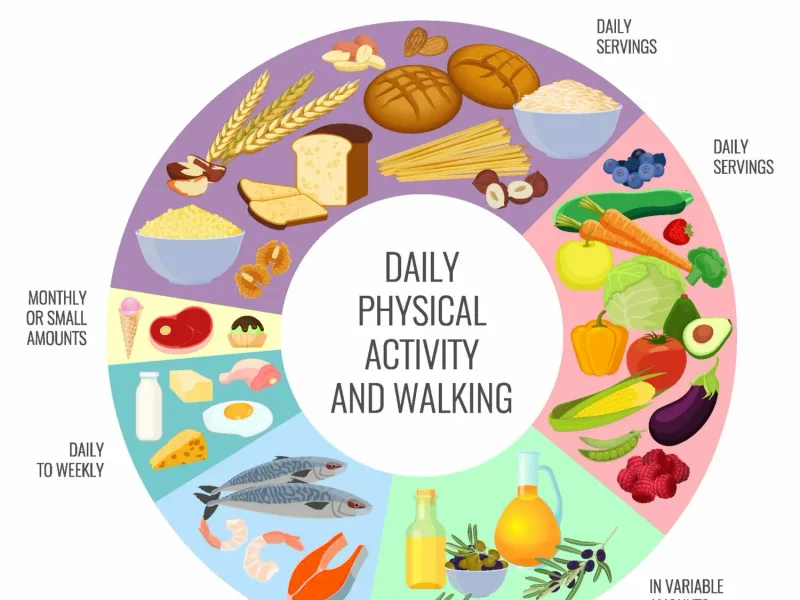
Proper nutrition is vital for strengthening the body's immune response and aiding recovery. A balanced diet rich in proteins, vitamins, and minerals helps individuals tolerate therapy better and speeds up healing. Think about it this way: your body needs good fuel to fight off the infection effectively.
Lifestyle factors also play a role. While TB is not spread through sharing utensils like a typical cold, close contact with infectious individuals requires precautions.
sufferers are advised to cover their mouths when coughing or sneezing and ensure good ventilation in their living spaces. Avoiding smoking and excessive alcohol consumption is also crucial for overall health and management efficacy.
Here's where it gets interesting.
Challenges and Support in Jehanabad
Despite the robust NTEP framework, challenges persist. These can include stigma associated with TB, leading some people to delay seeking care.
Socio-economic factors, such as poverty and lack of access to transportation, can also hinder management adherence. Many of us have encountered those affected who struggle to reach the clinic daily due to these reasons.
Local healthcare providers and community health workers in Jehanabad are trained to address these barriers. They work to destigmatize TB, build trust, and connect those affected with available social support services. Collaboration with local administrative bodies and non-governmental organizations (NGOs) is key to strengthening the TB response.
Research and Future Directions
Globally, research continues to develop shorter, more reliable TB treatments and novel diagnostics. Advances in understanding the immune response to TB and the development of new anti-TB drugs are ongoing.
The aim is to overcome drug resistance and simplify approach regimens. While these advancements are global, they will eventually impact care pathways in districts like Jehanabad, offering hope for even better outcomes in the future.
That's the part worth remembering.
Key Takeaways for individuals in Jehanabad:
- Complete your full course of TB medication as prescribed.
- Report any side effects to your healthcare provider immediately.
- Maintain good nutrition and a healthy lifestyle.
- Do not hesitate to seek support from healthcare workers and your community.
Remember, TB is curable with the right therapy and unwavering support. By working together, we can strengthen the fight against TB in Jehanabad and ensure everyone has access to the care they need.
Frequently Asked Questions
Can I eat rice if I have tuberculosis?
Yes, you can eat rice if you have tuberculosis. Rice is a staple food and a good source of carbohydrates for energy. Ensure your diet is balanced overall, including proteins and vitamins, to support your recovery. Consult your doctor or a dietitian for personalized dietary advice.
How long does TB management typically last?
Standard intervention for drug-susceptible TB typically lasts for a minimum of 6 months. For drug-resistant TB, the approach duration can extend to 18-24 months or longer. Completing the entire prescribed course is crucial for a complete cure and to prevent relapse or the development of further resistance.
Is tuberculosis contagious?
Yes, pulmonary tuberculosis (TB affecting the lungs) is contagious and can spread through the air when an infected person coughs, sneezes, or talks. However, the bacteria are killed by sunlight and are not very hardy in the environment. Extrapulmonary TB (affecting other parts of the body) is generally not contagious.
What are the prevalent side effects of TB medication?
prevalent side effects include nausea, vomiting, loss of appetite, fatigue, and changes in urine color (often orange or red due to Rifampicin). Less usual but more serious side effects can include liver inflammation, nerve damage, or allergic reactions. It is vital to report any new or worsening warning signs to your healthcare provider immediately.
The numbers don't lie.
Always consult a qualified physician before making medical decisions.