Understanding Tuberculosis Treatment in Munger
Tuberculosis (TB), a bacterial infection primarily affecting the lungs, remains a significant public health challenge in India, including districts like Munger, Bihar. Prompt and appropriate care is vital for recovery and preventing further spread.
This guide outlines the current approach to TB therapy in Munger, emphasizing the reliable strategies employed by healthcare providers.
Diagnosis: The First Crucial Step
Accurate diagnosis forms the bedrock of effective TB therapy. Physicians in Munger use several diagnostic methods to confirm TB and identify its type.
Symptom Assessment and Clinical Evaluation
The journey often begins with a patient presenting with persistent symptoms. Common indicators include a chronic cough lasting three weeks or longer, often producing sputum (phlegm), sometimes tinged with blood.
Chest pain, fever, night sweats, unintended weight loss, and fatigue are also frequently observed signs. A thorough medical history and physical examination by a doctor are essential initial steps.
Microbiological Tests
Confirming the presence of Mycobacterium tuberculosis is paramount. Sputum microscopy, a standard diagnostic tool, allows doctors to visually identify the bacteria under a microscope after staining. This is a quick and relatively inexpensive test, often available at local health centers. What most people miss is that a negative sputum smear does not entirely rule out pulmonary TB, especially in certain patient groups.
More advanced tests, such as the GeneXpert MTB/RIF assay, are increasingly used. This molecular test not only detects the presence of TB bacteria but also identifies resistance to rifampicin, a key TB drug.
This rapid identification of drug resistance is crucial for tailoring the most reliable management approach early on. The World Health Organization (WHO) strongly recommends this technology for faster diagnosis and improved patient outcomes.
Recovery is rarely linear.
Imaging Techniques
Chest X-rays are vital for visualizing the lungs and identifying characteristic abnormalities caused by TB, such as lung lesions or cavities. In cases where the infection spreads beyond the lungs (extrapulmonary TB), imaging of the affected body part, like CT scans or ultrasounds, might be necessary.
These imaging studies help physicians assess the extent of the disease.
Standard Tuberculosis intervention Regimens
The cornerstone of TB therapy globally, and followed in Munger, is the Directly Observed care, Short-course (DOTS) strategy. This approach, recommended by the WHO, ensures patients take their medication consistently under the supervision of a healthcare worker or trained volunteer.
The Standard Short-Course Chemotherapy
For drug-susceptible TB, the standard management typically involves a combination of four potent anti-TB drugs for at least six months. The intensive phase, lasting two months, usually includes isoniazid, rifampicin, pyrazinamide, and ethambutol.
This is followed by a continuation phase of four months with isoniazid and rifampicin. The precise duration and drug combination can be adjusted by specialists based on individual patient factors and disease severity.
That's the part worth remembering.
Why is a combination of drugs used? Using multiple medications simultaneously significantly reduces the risk of bacteria developing resistance to any single drug. This multi-drug approach is a proven strategy to eliminate the infection effectively and prevent relapse. Is there a better way to ensure approach completion? Adherence support is key.
Drug-Resistant Tuberculosis (DR-TB) intervention
The emergence of drug-resistant TB, particularly multidrug-resistant TB (MDR-TB) where bacteria resist at least isoniazid and rifampicin, presents a more complex challenge. therapy for DR-TB is longer, requires a different set of drugs (often including second-line medications), and can have more side effects.
The approach is highly individualized, guided by drug susceptibility testing results and overseen by experienced infectious disease specialists.
The National TB Elimination Programme (NTEP), which guides TB control efforts across India, including in Munger, provides guidelines for managing DR-TB. Access to newer, more reliable drugs and shorter therapy regimens for DR-TB is gradually improving, offering renewed hope for those affected.
The reality is, managing DR-TB requires notable commitment from both the patient and the healthcare team.
Patient Support and Adherence
Adherence to the prescribed approach regimen is absolutely crucial for a successful outcome. Missing doses or stopping medication prematurely can lead to therapy failure, relapse, and the development of drug resistance. What should you actually do if you miss a dose? Contact your healthcare provider immediately for guidance.
That's the part worth remembering.
The Role of DOTS
DOTS ensures that individuals receive their medication regularly and helps monitor for side effects. Healthcare workers in Munger, often supported by community health volunteers, play a vital role in providing this supervised therapy.
They offer encouragement, address concerns, and ensure the patient understands the importance of completing the full course of approach.
Addressing Side Effects
Anti-TB medications can cause side effects, ranging from mild nausea and skin rashes to more serious issues like liver damage or nerve problems. Physicians monitor sufferers closely for these potential adverse effects.
Prompt reporting of any unusual warning signs to the doctor is vital. Management often involves adjusting dosages, temporarily pausing certain drugs, or prescribing medications to manage the side effects, ensuring intervention can continue safely.
Nutritional Support and Counseling
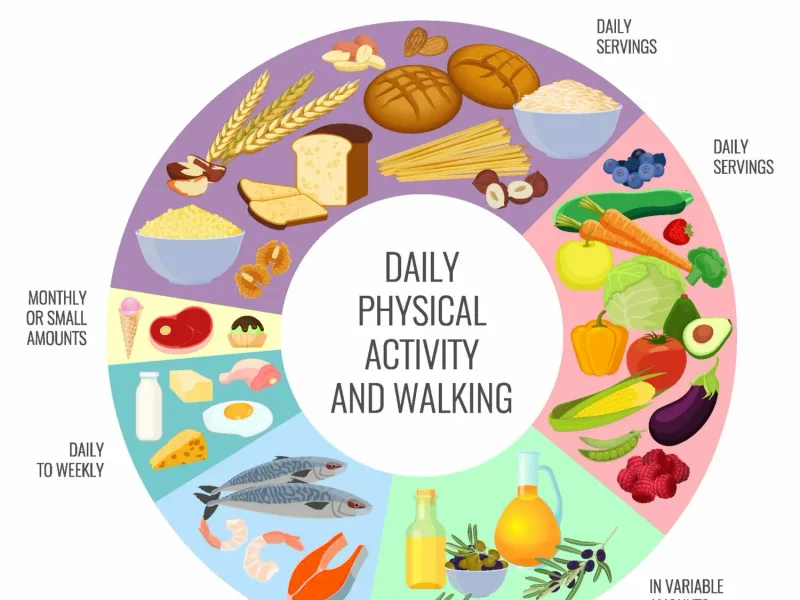
Living with TB can be physically and emotionally draining. Many those affected experience fatigue and weight loss, making adequate nutrition essential for recovery. Healthcare providers often offer nutritional counseling, encouraging a balanced diet rich in proteins and vitamins.
Most people overlook this completely.
In some cases, nutritional supplements may be recommended. Beyond physical health, emotional support is equally important. Counseling services benefit those affected cope with the stress and anxiety associated with a long-term illness and intervention.
Preventing TB Transmission
While intervention focuses on curing the infected individual, preventing the spread of TB to others is equally essential. For pulmonary TB, sufferers are considered infectious until they have consistently had negative sputum smears, usually after a few weeks of successful care. Simple yet impactful measures can significantly reduce transmission.
- Ventilation: Ensuring good airflow in living spaces by opening windows and doors helps dissipate infectious airborne droplets.
- Covering Coughs/Sneezes: those affected should cover their mouth and nose with a tissue or their elbow when coughing or sneezing.
- Mask Use: Wearing masks, especially in crowded indoor settings during the initial infectious period, can provide an additional layer of protection.
- Hygiene: Regular hand washing is always a good practice.
You'll notice that these preventive measures are simple but highly reliable when practiced consistently. Early diagnosis and prompt intervention are the most powerful tools against TB transmission.
Role of Government and Healthcare Institutions
The National Tuberculosis Elimination Programme (NTEP) is the primary driver of TB control in India. In Munger, district TB centers (DTCs) and associated peripheral health facilities are instrumental in implementing the NTEP guidelines.
These centers provide diagnostic services, anti-TB drugs, and management support, often free of cost to the patient, aligning with public health goals set by institutions like the Indian Council of Medical Research (ICMR).
And yet, so many people miss it.
Collaboration between government health facilities, private practitioners, and NGOs is crucial for a robust TB response. This integrated approach ensures that even those seeking care outside the public sector are diagnosed and treated according to national standards.
The commitment from healthcare professionals in Munger, from primary health workers to specialists, is vital in the fight against TB.
Patient Experiences and Challenges
We often see those affected who struggle with the long duration of approach. Taking multiple pills daily for six months or longer requires meaningful discipline and motivation.
Some individuals face stigma within their communities, making it harder to adhere to management or seek support. Living with this is genuinely hard, and the support system around the patient becomes paramount.
For instance, a patient in a rural area might face challenges in reaching the health facility daily for DOTS. In such cases, community volunteers or family members stepping in to provide support can make a world of difference.
Overcoming these hurdles requires a compassionate and understanding approach from healthcare providers and the community alike.
The Path Forward: Strengthening TB Care in Munger
Continued efforts are needed to strengthen TB surveillance, improve access to rapid diagnostics, and ensure uninterrupted supply of quality-assured medicines. Public awareness campaigns play a vital role in destigmatizing TB and encouraging early aid-seeking behavior.
This is where most those affected struggle.
By working together—healthcare providers, people, and the community—we can enhance the effectiveness of TB therapy in Munger and move closer to eliminating this disease.
Remember, consistent adherence to therapy is your strongest ally in overcoming TB. Your commitment, supported by dedicated healthcare professionals, paves the way for a healthier future. Always consult a qualified physician before making medical decisions.
Frequently Asked Questions
How long does tuberculosis therapy typically last?
Standard care for drug-susceptible TB usually lasts for at least six months, involving a combination of antibiotics. care for drug-resistant TB can be significantly longer, often 18-24 months or more, depending on the specific resistance pattern.
Can TB be cured completely?
Yes, TB is curable with a full course of the prescribed medication. Completing the entire management regimen as directed by your doctor is essential to ensure the infection is eliminated and to prevent relapse or the development of drug resistance.
What are the usual side effects of TB drugs?
typical side effects include nausea, vomiting, loss of appetite, abdominal pain, and skin rashes. More serious, though less typical, side effects can affect the liver, kidneys, or nerves. It is crucial to report any new or bothersome indicators to your doctor immediately.
That alone changes everything.
Is TB therapy free in Munger?
Under the National Tuberculosis Elimination Programme (NTEP), diagnostic services and anti-TB medications are provided free of cost at government health facilities, including district TB centers in Munger.