Understanding Tuberculosis Treatment in Nalanda
Tuberculosis (TB), a serious infectious disease caused by Mycobacterium tuberculosis, remains a significant public health challenge in many regions, including Nalanda, Bihar. This guide, written from the perspective of a senior medical content writer at Doctar, aims to demystify TB care, outlining the proven approaches available and the specific context within Nalanda. We'll explore the standard protocols, the importance of patient adherence, and the support systems in place.
Honestly, TB care is a journey, not a sprint. It requires commitment from both the patient and healthcare providers. Think about it this way: successfully eradicating the bacteria involves a carefully orchestrated, multi-drug approach over an extended period.
The Cornerstone of TB Therapy: DOTS
The most impactful and widely adopted strategy for TB intervention globally, and certainly in India, is Directly Observed care, Short-course (DOTS). This WHO-endorsed strategy is the backbone of TB control efforts in Nalanda.
How DOTS Works
- Direct Observation: A healthcare worker (or a trained community volunteer) watches as the affected person takes their medication. This ensures doses are not missed and are taken correctly.
- Short-course Therapy: care typically lasts for 6 to 9 months, a considerable reduction from older, longer intervention durations.
- Standardised Drug Regimens: Specific combinations of anti-TB drugs are used, tailored to whether it's a new case or a previously treated one.
- Ensured Supply: Medications are provided free of charge by the government through designated health facilities.
You'll notice that the direct observation component is absolutely vital. It's designed to prevent management interruption, which is a key factor leading to drug resistance.
Standard TB care Regimens
The specific drugs and duration depend on the type of TB (pulmonary or extrapulmonary) and the patient's history. Generally, approach involves two phases:
Intensive Phase (First 2 Months)
This phase uses a combination of four potent anti-TB drugs: Isoniazid, Rifampicin, Pyrazinamide, and Ethambutol. This powerful cocktail aims to rapidly reduce the bacterial load and prevent the development of resistance. " The goal is to kill the majority of active bacteria quickly.
How serious is this really? Missing doses here can have severe consequences.
Continuation Phase (Next 4-7 Months)
Following the intensive phase, the regimen is usually simplified, often to two drugs (Isoniazid and Rifampicin). This phase focuses on eliminating any remaining dormant bacteria, preventing relapse, and ensuring a cure. The duration can extend to 7 months or more in certain complex cases, as advised by specialists.
That alone changes everything.
Challenges in TB approach Adherence
Living with TB is genuinely hard. The long approach duration, potential side effects from medications, and the need for daily adherence can be overwhelming for many people. In Nalanda, like elsewhere, several factors can hinder consistent care:
- Socioeconomic Factors: Poverty, lack of stable employment, and food insecurity can make it difficult for individuals to prioritize management or attend daily observation sessions. Many affected individuals are daily wage earners who lose income if they take time off for management.
- Stigma: The social stigma associated with TB can lead to fear, isolation, and reluctance to seek or continue intervention. People may hide their diagnosis.
- Side Effects: Medications can cause side effects such as nausea, vomiting, loss of appetite, and sometimes more severe issues like liver damage. Managing these requires close monitoring by healthcare professionals.
- Geographical Barriers: In rural or remote areas of Nalanda, accessing DOTS centers regularly might be challenging due to distance or lack of transport.
But why does this happen? These challenges are complex and require a multi-pronged approach to overcome.
The Role of Healthcare Providers in Nalanda
Physicians and healthcare workers in Nalanda play a crucial role. They are not just dispensers of medication but also counselors and motivators. Their responsibilities include:
- Accurate Diagnosis: Utilizing diagnostic tools like sputum microscopy, GeneXpert (a rapid molecular test), and chest X-rays.
- Patient Education: Explaining the disease, the approach plan, the importance of adherence, and potential side effects.
- Side Effect Management: Proactively monitoring for and managing adverse drug reactions. This often involves lifestyle advice and, if necessary, dose adjustments or alternative medications under specialist guidance.
- Community Engagement: Working with community health volunteers and local leaders to reduce stigma and improve access to care.
The National Tuberculosis Elimination Programme (NTEP), formerly RNTCP, provides the framework and resources for these efforts across India, including Nalanda. AIIMS and other leading institutions contribute to guidelines and training.
Drug-Resistant Tuberculosis (DR-TB)
A major concern in TB approach is the emergence of drug-resistant strains, particularly Multidrug-Resistant TB (MDR-TB) and Extensively Drug-Resistant TB (XDR-TB). This typically arises from incomplete or improperly managed care. Treating DR-TB is significantly more complex, involving second-line drugs that are often less effective, more toxic, and much more expensive.
The intervention duration for DR-TB can extend to 18-24 months or even longer. Thankfully, advancements are being made, and newer drugs are becoming available, offering hope for better outcomes. The ICMR is actively involved in research in this area.
Recovery is rarely linear.
Patient Experiences and Support Systems
We often see patients who initially feel overwhelmed by the management process. I recall a patient from a village near Rajgir who was hesitant to start therapy due to fear of side effects and stigma. However, with consistent support from the local DOTS provider and counseling from a visiting physician, they completed their full course successfully.
This story highlights the vital role of consistent, compassionate care. Support groups and community health workers are invaluable resources, offering encouragement and practical help. Think about it this way: they are the patient's allies on the road to recovery.
Nutrition and Lifestyle During TB therapy
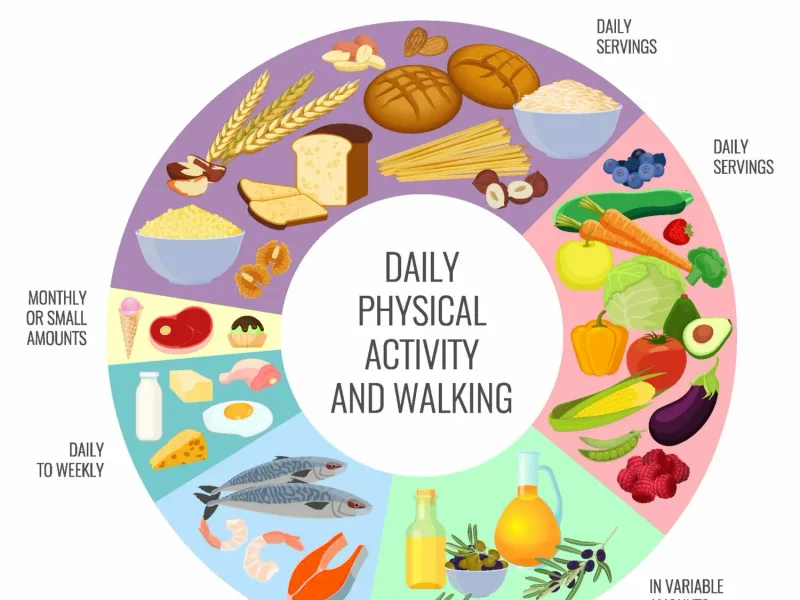
Good nutrition is crucial for strengthening the body's ability to fight the infection and tolerate care. A balanced diet rich in proteins, vitamins, and minerals is recommended. Many people experience loss of appetite, so focusing on smaller, frequent, nutrient-dense meals can benefit.
Staying hydrated is also important. While there isn't a specific "TB diet," ensuring adequate intake of fruits, vegetables, lentils (dal), and whole grains supports recovery. Physicians often advise individuals to avoid alcohol during care, as it can increase the risk of liver damage, a potential side effect of some anti-TB drugs.
Here's where it gets interesting.
Technological Advancements in TB Care
Technology is increasingly assisting TB diagnosis and management monitoring. Rapid molecular tests like GeneXpert can detect TB and identify resistance to key drugs within hours, enabling quicker care initiation.
Digital adherence tools and mobile health (mHealth) applications are also being explored and implemented to optimise patient follow-up and support, especially in remote areas. These innovations aim to make management more accessible and manageable.
The Path Forward in Nalanda
Eliminating TB requires a sustained, collaborative effort. In Nalanda, this involves strengthening the public health infrastructure, ensuring consistent drug supply, training healthcare workers, and actively engaging the community to combat stigma and promote health-seeking behaviors.
The goal is not just to treat TB but to prevent new infections and make sure everyone affected has access to timely, proven, and compassionate care. We must remember that TB is curable, and with the right approach, a healthy life is achievable.
And yet, so many people miss it.
Always consult a qualified physician before making medical decisions.
Frequently Asked Questions
Can I eat rice if I have tuberculosis?
Yes, you can generally eat rice when undergoing TB intervention. Rice is a staple carbohydrate source. However, ensure your overall diet is balanced and nutritious, focusing on protein and vitamins to support your recovery. Avoid excessive consumption if it leads to feeling overly full, impacting intake of other essential nutrients.
How long does TB care typically last in Nalanda?
Standard TB care, often delivered via DOTS, usually lasts for 6 to 9 months. This includes an intensive phase (around 2 months) followed by a continuation phase. Drug-resistant TB requires a much longer care duration, potentially 18-24 months or more.
What are the common side effects of TB drugs?
widespread side effects include nausea, vomiting, loss of appetite, fatigue, and changes in urine colour (Rifampicin can turn it reddish-orange). Less usual but serious side effects can involve liver damage or nerve issues. It's crucial to report any side effects to your doctor immediately for management.
Is TB intervention free in India, including Nalanda?
Yes, TB diagnosis and intervention under the National Tuberculosis Elimination Programme (NTEP) are provided free of charge at government health facilities across India, including Nalanda. This includes essential medications, diagnostic tests, and counseling services.
Here's where it gets interesting.