Understanding Tuberculosis Treatment in Ramgarh
Tuberculosis (TB), a bacterial infection primarily affecting the lungs, remains a significant public health challenge in India. Ramgarh, like many districts, faces its share of TB cases. Effectively managing this condition requires a deep understanding of the approach protocols, the importance of adherence, and the support systems available locally.
We often see patients struggling with misconceptions about TB therapy, which can hinder recovery. This guide aims to demystify TB care, offering clarity and support for those affected.
Living with TB is genuinely hard, impacting daily life and emotional well-being. The journey to recovery can be long, but with the right approach and consistent care, TB is curable.
The reality is, early diagnosis and prompt, complete therapy are the cornerstones of successfully combating this disease. India has made strides, aiming to eliminate TB by 2025 under the National Strategic Plan, a goal supported by global initiatives like those from the World Health Organization (WHO).
The Science Behind TB care
TB is caused by the bacterium Mycobacterium tuberculosis. approach involves a combination of potent antibiotics taken for an extended period. This multi-drug approach is crucial because it prevents the bacteria from developing resistance to any single medication. Think about it this way: a single weapon might be overcome, but a coordinated attack by several is much harder to resist. The standard therapy, recommended by the WHO and followed by institutions like the All India Institute of Medical Sciences (AIIMS), typically lasts for at least six months.
The cornerstone of TB care is Directly Observed intervention, Short-course (DOTS). This strategy ensures that people take their medications correctly and consistently. A healthcare worker or trained volunteer (a DOT provider) watches the patient swallow each dose.
This supervised approach is vital for preventing approach interruptions and the development of drug resistance. Practically speaking, DOTS significantly boosts approach success rates.
First-Line Medications: The Backbone of Therapy
The initial phase of intervention usually involves four key drugs: Isoniazid (H), Rifampicin (R), Pyrazinamide (Z), and Ethambutol (E). This combination, often referred to as HRZE, is administered daily for the first two months.
And yet, so many people miss it.
The goal here is to rapidly reduce the number of bacteria in the body, alleviating symptoms and preventing transmission. The effectiveness of this regimen is well-documented, with high cure rates when adhered to strictly.
Following the intensive phase, the intervention shifts to a continuation phase. This typically involves two drugs, Isoniazid and Rifampicin (HR), taken for the next four months.
The duration might be extended in certain cases, such as for individuals with drug-resistant TB or those who are immunocompromised (like people living with HIV). Careful monitoring by physicians is essential throughout this entire period.
Understanding Drug-Resistant TB
What most people miss: drug resistance is a serious complication. It arises when TB bacteria evolve and become less susceptible to the standard medications.
This can happen if people do not complete their full course of approach, take their drugs incorrectly, or if they contract a resistant strain. Multidrug-resistant TB (MDR-TB) is defined by resistance to at least Isoniazid and Rifampicin, the two most powerful anti-TB drugs.
Treating MDR-TB is significantly more complex. It requires longer therapy durations (often 18-24 months) and a different set of second-line drugs, which can be more toxic and less effective. The Indian Council of Medical Research (ICMR) and other health bodies emphasize the critical need for adherence to prevent the emergence of resistance.
That alone changes everything.
So what does that mean for you? It means every single dose matters.
Diagnosis and Monitoring in Ramgarh
Accurate diagnosis is the first step towards reliable approach. In Ramgarh, diagnostic services are available through government health facilities.
Standard diagnostic methods include sputum microscopy (examining coughed-up mucus under a microscope) and sputum culture (growing the bacteria in a lab). Newer, rapid molecular tests like the GeneXpert MTB/RIF assay can detect TB bacteria and identify resistance to Rifampicin within hours, a major advancement over traditional methods.
Regular monitoring is crucial to assess approach progress and manage any side effects. Physicians in Ramgarh will typically ask sufferers to provide sputum samples periodically. Blood tests might also be conducted to check liver function, as some anti-TB drugs can affect the liver.
Chest X-rays may be used to track changes in the lungs. This vigilant follow-up ensures the therapy remains on track and adapts as needed.
Potential Side Effects and Management
While TB medications are highly proven, they can cause side effects. Common issues include nausea, vomiting, loss of appetite, and changes in urine colour (often orange or reddish due to Rifampicin).
More serious, though less frequent, side effects can include liver damage, nerve damage, or skin rashes. It is vital for sufferers to report any new or concerning signs to their healthcare provider immediately.
It sounds simple. It rarely is.
Physicians are trained to manage these side effects. This might involve adjusting dosages, temporarily pausing certain medications, or prescribing supportive treatments. For instance, if liver function tests show abnormalities, the doctor might switch to alternative drugs.
those affected should never stop their medication without consulting their doctor, as this can lead to approach failure and drug resistance. Is there a better way than risking relapse? No, consistent communication is key.
Patient Support Systems in Ramgarh
Recognizing the challenges of a long therapy course, various support systems are in place. Government health centres in Ramgarh offer not only free diagnosis and medication but also counselling services.
DOT providers often become a crucial link, offering encouragement and ensuring individuals receive their medicines. Many of us have seen the positive impact of a dedicated DOT provider on a patient's journey.
Most people overlook this completely.
Beyond the formal healthcare system, community support groups and NGOs play a vital role. These organizations can provide nutritional support, help with transportation to clinics, and offer emotional encouragement. Family and friends are also invaluable pillars of strength.
Practical assistance, like ensuring the patient has adequate rest and a healthy diet, can significantly boost recovery. Remember, you are not alone in this fight.
Nutritional Guidance for TB individuals
A well-balanced diet is essential for strengthening the body's ability to fight infection and tolerate management. TB can increase the body's metabolic rate and nutrient requirements.
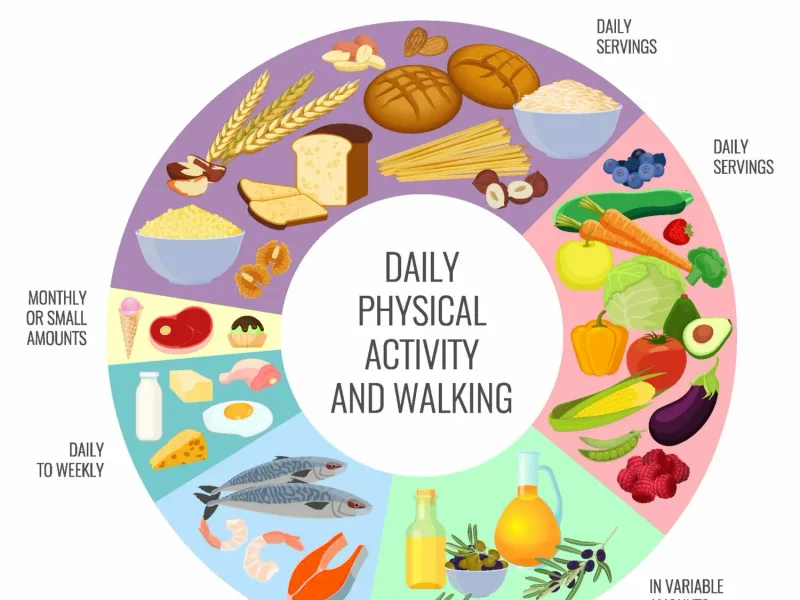
Emphasis should be placed on protein-rich foods (dal, eggs, lean meats, dairy), complex carbohydrates (whole grains, vegetables), and plenty of fresh fruits and vegetables for vitamins and minerals. Adequate hydration is also crucial.
Anecdotal evidence from healthcare workers suggests that people who maintain good nutrition generally experience fewer side effects and recover more quickly. While specific dietary restrictions are rare, avoiding excessive alcohol is paramount, as it can exacerbate liver damage from TB medications.
Local dietary staples in Ramgarh, such as whole wheat rotis, rice, various dals, and seasonal vegetables, can form the basis of a healthy TB recovery diet.
The Role of Public Health Initiatives
National and state-level programs are instrumental in the fight against TB. The Revised National Tuberculosis Control Programme (RNTCP), now known as the National Tuberculosis Elimination Programme (NTEP), provides a framework for TB control across India.
Recovery is rarely linear.
This program ensures the availability of free diagnostics, drugs, and therapy services through a network of peripheral health institutions and dedicated TB units. Ramgarh's health infrastructure is integrated within this national strategy.
The NTEP focuses on early detection, complete approach, and prevention of transmission. They also actively work on addressing challenges like drug resistance and reaching vulnerable populations.
Public awareness campaigns, often supported by organizations like the WHO, aim to reduce stigma associated with TB and encourage prompt medical seeking. What most people miss: understanding these initiatives empowers those affected to access the care they need.
Looking Towards TB Elimination
The goal of eliminating TB by 2025, while ambitious, drives continuous improvement in care delivery. Innovations in diagnostics, newer drug regimens for resistant TB, and a stronger focus on patient-centred care are all part of this effort.
As per the WHO, India has shown notable progress in reducing TB incidence and mortality over the past decade. Continued vigilance and patient engagement are key to achieving this vital objective.
The journey requires a collective effort – from healthcare providers ensuring quality care to those affected diligently following intervention, and communities offering unwavering support. We must remember that TB is not just a medical disorder; it's a social issue that demands empathy and action.
Most people overlook this completely.
By working together, we can strengthen the healthcare ecosystem in Ramgarh and contribute to a TB-free India.
Key Takeaways
- Tuberculosis management in Ramgarh follows WHO-endorsed protocols, primarily DOTS, ensuring supervised, consistent medication intake.
- Standard TB therapy involves a six-month regimen of multiple antibiotics (HRZE followed by HR), crucial for preventing drug resistance.
- Drug-resistant TB (MDR-TB) requires longer, more complex care (18-24 months) with second-line drugs.
- Early diagnosis via sputum tests or molecular assays, coupled with regular monitoring for side effects, is vital for successful outcomes.
- Comprehensive support, including nutritional guidance and community resources, aids people throughout their approach journey.
Frequently Asked Questions
Can I eat rice if I have tuberculosis?
Yes, rice can be part of a balanced diet for TB sufferers. Focus on consuming whole grains and ensuring adequate protein intake. It's important to maintain overall good nutrition to support your body's fight against the infection and tolerate intervention effectively.
How long does tuberculosis management typically last?
Standard tuberculosis care usually lasts for a minimum of six months. This duration is essential to ensure all bacteria are eradicated and to prevent the development of drug resistance. care for drug-resistant TB can extend to 18-24 months.
Are TB medications free in India?
Yes, diagnosis and all prescribed anti-tuberculosis medications are provided free of cost through government healthcare facilities under the National Tuberculosis Elimination Programme (NTEP). This includes both standard and drug-resistant TB treatments.
What are the most usual side effects of TB drugs?
widespread side effects include nausea, loss of appetite, and a reddish-orange discolouration of urine or sweat due to Rifampicin. Less widespread but more serious effects like liver inflammation can occur. Always report any major side effects to your doctor immediately for proper management.
This is where most individuals struggle.
Always consult a qualified physician before making medical decisions.