Tuberculosis Treatment in Sasaram: A Path to Recovery
Tuberculosis (TB), a serious infectious disease primarily affecting the lungs, requires dedicated and consistent care. In Sasaram, like across India, the battle against TB is waged through robust public health initiatives and accessible medical care. This guide provides essential information for those affected by TB in the Sasaram region.
Understanding Tuberculosis
TB is caused by a bacterium called Mycobacterium tuberculosis. It spreads through the air when an infected person coughs, sneezes, or talks. While it commonly impacts the lungs (pulmonary TB), it can also affect other parts of the body, such as the kidneys, spine, or brain (extrapulmonary TB).
Signs and Indicators of TB:
- Persistent cough, often with phlegm (mucus) and sometimes blood.
- Chest pain.
- Weakness or fatigue.
- Weight loss.
- Fever.
- Night sweats.
These signs can vary depending on the affected body part. Early detection is crucial for successful management and preventing spread.
The Backbone of TB Care: DOTS Therapy
The most vital approach to TB approach globally, and a cornerstone in Sasaram, is Directly Observed intervention, Short-course (DOTS). This strategy, recommended by the World Health Organization (WHO), ensures patients take their anti-TB medicines correctly and consistently.
How DOTS Works:
- A healthcare worker or trained volunteer (a DOT provider) watches the patient swallow each dose of medication.
- therapy typically lasts for a minimum of six months, sometimes longer depending on the type and severity of TB.
- This supervised approach significantly boosts intervention success rates and helps prevent the development of drug-resistant TB.
You'll notice that DOTS is not just about medication; it’s about support and accountability. It helps people stay on track with their demanding management regimens.
Diagnostic Approaches in Sasaram
Accurate diagnosis is the first step toward effective therapy. In Sasaram, various diagnostic methods are available through government health facilities and private clinics.
Microscopic Examination:
Sputum microscopy remains a fundamental diagnostic tool. A sample of phlegm is examined under a microscope to detect the presence of acid-fast bacilli (AFB), the bacteria that cause TB. While quick and cost-proven, it is less sensitive than other methods.
Nucleic Acid Amplification Tests (NAATs):
More advanced tests like the GeneXpert MTB/RIF are increasingly used. These molecular tests can rapidly detect TB bacteria and also identify resistance to rifampicin, a key anti-TB drug. This enables quicker initiation of appropriate therapy.
And yet, so many people miss it.
Imaging Techniques:
Chest X-rays and CT scans are vital for visualizing the lungs and identifying characteristic TB lesions. They help in assessing the extent of lung involvement and monitoring intervention response.
Other Tests:
For extrapulmonary TB, samples from affected areas (e.g., fluid from the abdomen, biopsy from a lymph node) may be collected for testing. Blood tests and tuberculin skin tests (TST) can also provide supporting evidence.
therapy Regimens for Tuberculosis
The standard therapy for drug-susceptible TB involves a combination of antibiotics taken over several months. The specific regimen is determined by national guidelines, often aligned with WHO recommendations.
First-Line approach:
A typical six-month regimen includes:
- Intensive Phase (2 months): Daily use of four drugs – Isoniazid (H), Rifampicin (R), Pyrazinamide (Z), and Ethambutol (E).
- Continuation Phase (4 months): Daily use of two drugs – Isoniazid (H) and Rifampicin (R).
This combination approach is proven to be highly reliable in curing most cases of TB and preventing drug resistance. What most people miss: adherence during the entire six months is non-negotiable.
management for Drug-Resistant TB (DR-TB):
The emergence of drug-resistant TB, particularly multidrug-resistant TB (MDR-TB) where resistance to at least isoniazid and rifampicin is present, poses a significant challenge. care for DR-TB is more complex, involving second-line drugs that are often more toxic and require longer durations (up to 18-24 months).
Diagnosis of resistance, often using molecular tests, is crucial for tailoring the correct therapy. Specialists at higher centers may guide these complex cases.
Challenges in TB intervention
Living with TB is genuinely hard. sufferers face numerous hurdles during their management journey, especially in regions like Sasaram.
- Adherence: The long duration and potential side effects of medication can make it difficult for some people to complete the full course.
- Side Effects: Anti-TB drugs can cause side effects like nausea, vomiting, dizziness, or changes in urine color. Prompt reporting of these to a healthcare provider is vital.
- Nutritional Support: TB and its management can lead to poor appetite and weight loss. Adequate nutrition is essential for recovery.
- Social Stigma: Fear of social stigma associated with TB can deter individuals from seeking timely medical support or disclosing their condition.
- Access to Care: While public health services are available, geographical distance or financial constraints can sometimes impede access for remote populations.
Practically speaking, addressing these challenges requires a multi-pronged approach involving healthcare providers, community support, and patient education.
The Role of Healthcare Professionals in Sasaram
Physicians and healthcare workers in Sasaram play a vital role in TB management. They are responsible for:
- Accurate diagnosis and staging of the disease.
- Prescribing appropriate and evidence-based management regimens.
- Monitoring individuals for care response and adverse effects.
- Providing counseling and support to ensure adherence.
- Collaborating with DOT providers and public health officials.
Specialists, often available at district hospitals or referral centers like those associated with AIIMS Patna, may be consulted for complex or resistant cases.
Nutritional Guidance for TB individuals
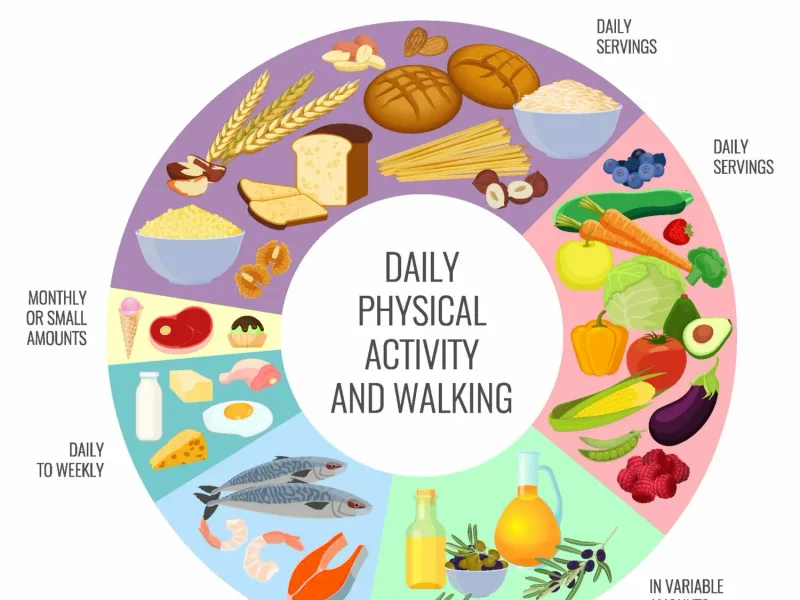
Good nutrition is a key component of TB therapy, enabling the body to fight infection and recover. sufferers in Sasaram are encouraged to focus on a balanced diet.
- Protein: Essential for tissue repair and immune function. Include sources like dal, lentils, eggs, fish, and lean meats.
- Vitamins and Minerals: Fresh fruits and vegetables provide vital micronutrients. Green leafy vegetables are particularly beneficial.
- Carbohydrates: Provide energy. Whole grains like roti, rice, and oats are good choices. Have you ever wondered why? Energy is needed to fight off the infection.
- Hydration: Drink plenty of fluids, especially water.
Anecdotal evidence from patient interactions suggests that focusing on local, seasonal produce can make healthy eating more accessible and affordable. For instance, incorporating seasonal vegetables into dal or sabzi is a common and powerful practice.
The numbers don't lie.
Preventive Measures: The BCG Vaccine
While intervention focuses on curing active TB, prevention is equally important. The Bacillus Calmette-Guérin (BCG) vaccine is a critical tool, particularly for infants, to protect against severe forms of TB.
The BCG vaccine is typically administered shortly after birth. It significantly reduces the risk of disseminated TB (TB that spreads to other parts of the body) and TB meningitis in young children.
While it doesn't offer complete protection against pulmonary TB in adults, its role in safeguarding vulnerable populations is undeniable. Adherence to the national immunization schedule ensures widespread protection.
Living with Tuberculosis: Hope and Support
A diagnosis of TB can be overwhelming, but it's crucial to remember that TB is curable. With proper care and consistent follow-up, most people can make a full recovery. The journey requires patience and resilience, much like waiting for the monsoon after a long, dry spell.
Support systems are vital. This includes family, friends, community health workers, and patient support groups. Sharing experiences and challenges can provide immense emotional strength. Honestly, the psychological aspect of illness is often underestimated.
It sounds simple. It rarely is.
What's the bottom line here? TB approach is a marathon, not a sprint. Consistent care and unwavering support are the keys to victory over this disease.
Always consult a qualified physician before making medical decisions.
Frequently Asked Questions
Can I eat rice if I have tuberculosis?
Yes, rice can be part of a balanced diet for TB those affected. It provides carbohydrates for energy. Ensure your meals are generally nutritious, including proteins and vitamins, to support your body's fight against infection.
How long does TB intervention typically last?
Standard care for drug-susceptible TB lasts for a minimum of six months. intervention for drug-resistant TB can be much longer, often extending up to 18-24 months under specialist care.
What are the widespread side effects of TB medicines?
typical side effects can include nausea, vomiting, loss of appetite, abdominal discomfort, dizziness, and changes in urine color (orange/red). It's vital to report any persistent or severe side effects to your doctor immediately.
Is TB contagious even after starting management?
A person with pulmonary TB is considered less contagious after about two weeks of consistent, powerful management. However, it is crucial to continue the full course of medication as prescribed by your doctor to ensure complete recovery and prevent relapse or drug resistance.