Understanding Tumour Specialists in Bettiah
When facing a cancer diagnosis, finding the right medical professional is paramount. In Bettiah, locating a skilled tumour specialist, often referred to as an oncologist, is the crucial first step toward effective care.
These physicians possess deep expertise in diagnosing and managing various forms of cancer, guiding people affected through complex treatment pathways.
Honestly, the journey can feel overwhelming, but knowing where to turn for reliable advice makes a significant difference. We often see patients arrive feeling anxious, seeking clarity and a proven plan. A tumour specialist is your primary guide in this challenging time.
What Does a Tumour Specialist Do?
A tumour specialist is a physician highly trained in oncology. Oncology is the branch of medicine focused on the prevention, diagnosis, and therapy of cancer. These specialists understand the intricate biological processes driving tumour growth and metastasis (the spread of cancer). They work collaboratively to create personalised care plans.
Key Responsibilities Include:
- Diagnosis: Interpreting imaging scans (like CT, MRI), biopsy results, and blood tests to confirm cancer and identify its type and stage.
- intervention Planning: Developing a tailored approach using surgery, chemotherapy, radiation therapy, immunotherapy, or targeted therapy, often in combination.
- Patient Consultation: Explaining the diagnosis, care options, potential side effects, and prognosis in clear, understandable terms.
- Monitoring: Regularly assessing the patient's response to therapy and managing any complications or side effects.
- Referral: Coordinating care with other specialists, such as surgeons, radiologists, pathologists, and palliative care teams, as needed.
Types of Tumour Specialists
Cancer care is rarely a one-person job. Different specialists focus on specific aspects of cancer management. You'll often interact with several experts on your healthcare team:
Medical Oncologists
These physicians primarily use chemotherapy, hormone therapy, targeted therapy, and immunotherapy to treat cancer. They manage the systemic therapy of cancer – meaning drugs that travel throughout the body to kill cancer cells. They are central figures in coordinating overall cancer care.
That alone changes everything.
Surgical Oncologists
Surgical oncologists are surgeons who specialise in removing tumours and affected tissues through operations. They perform biopsies to diagnose cancer and operate to remove cancerous growths. Their expertise is vital for cancers that can be effectively treated with surgery.
Radiation Oncologists
These specialists use high-energy rays (like X-rays) or particles to kill cancer cells. Radiation therapy can be used alone or in combination with other treatments. They meticulously plan radiation doses to target tumours while minimising damage to surrounding healthy tissues.
In many cases, your primary oncologist will coordinate with these other specialists to ensure a holistic approach. How serious is this really? It depends heavily on the cancer type, stage, and the individual's overall health, but expert care is always the goal.
Finding a Tumour Specialist in Bettiah
Locating a qualified tumour specialist in Bettiah requires a methodical approach. While Bettiah may not have the vast array of super-specialty hospitals found in major metros, dedicated cancer care services are accessible. The key is knowing where and how to look.
Most people overlook this completely.
Steps to Consider:
- Consult Your Primary Care Physician: Your family doctor is often the best starting point. They can provide a referral to a known oncologist in the region or suggest reputable hospitals.
- Hospital Affiliations: Check with larger hospitals in and around Bettiah. Many are affiliated with oncology departments or have visiting specialists. Hospitals like AIIMS (All India Institute of Medical Sciences) Patna, though not in Bettiah, serve as a referral hub for the region, and local facilities often have connections.
- Online Health Platforms: Websites like Doctar provide searchable databases of specialists. You can filter by location (Bettiah) and specialty (oncology) to find potential doctors. Read reviews and check doctor profiles carefully.
- Word-of-Mouth & Support Groups: Ask trusted friends, family, or local community health workers for recommendations. Patient support groups can also offer valuable insights and personal experiences.
- Check Credentials: Ensure any specialist you consider is board-certified in medical, surgical, or radiation oncology. Verify their experience with your specific type of cancer.
Worth knowing: Sometimes, the best specialist might be in a nearby city, requiring travel. Planning for this possibility is wise.
What to Expect During Your First Consultation
Your initial visit with a tumour specialist is crucial for establishing a diagnosis and outlining a therapy strategy. Be prepared to discuss your medical history openly. Bring all relevant medical records, including previous test results, imaging scans, and a list of current medications.
The specialist will likely ask detailed questions about your symptoms, their onset, and any family history of cancer. A physical examination will be performed.
Based on this information, they might order further diagnostic tests to confirm the diagnosis and determine the cancer's stage – how advanced it is. This staging process is vital for selecting the most reliable therapy.
What's the bottom line here? Come prepared with questions. Don't hesitate to ask for clarification if anything is unclear. This is your health, and active participation is key.
care Approaches for Tumours
The approach to treating a tumour is highly individualised. It depends on numerous factors, including the cancer's type, location, stage, the patient's age, and overall health. Physicians aim for treatments that are both impactful against the cancer and minimise side effects.
Surgery
Surgery remains a cornerstone for many solid tumours, especially when detected early. The goal is to physically remove the cancerous growth.
Sometimes, only the tumour is removed; other times, nearby lymph nodes or tissues may also be excised to check for spread. The success of surgery often depends on the surgeon's skill and the tumour's resectability.
That's the part worth remembering.
Chemotherapy
Chemotherapy uses powerful drugs to kill cancer cells throughout the body. It's often used for cancers that have spread or are likely to spread.
While powerful, chemotherapy can have major side effects, such as fatigue, nausea, and hair loss. Modern protocols aim to manage these side effects better, improving the patient's quality of life during approach.
Radiation Therapy
Radiation therapy uses focused beams of energy to destroy cancer cells or shrink tumours. It can be delivered externally (external beam radiation) or internally (brachytherapy).
This approach is often used for localised cancers or as adjuvant therapy after surgery to eliminate any remaining microscopic cancer cells. Precision techniques minimise harm to healthy surrounding tissues, aligning with WHO guidelines on safe radiation practices.
Targeted Therapy and Immunotherapy
These are newer, often more precise, forms of care. Targeted therapies focus on specific genetic mutations within cancer cells that drive their growth.
Immunotherapy, on the other hand, harnesses the patient's own immune system to fight cancer. These approaches can offer fewer side effects than traditional chemotherapy for some individuals, marking major advancements in cancer care.
Living with this is genuinely hard. The emotional and physical toll can be immense. Support systems – family, friends, and healthcare providers – are vital resources during therapy.
The Importance of Clinical Trials
For individuals facing difficult-to-treat or advanced cancers, clinical trials offer access to potentially life-saving experimental treatments. These research studies, often coordinated through institutions like the Indian Council of Medical Research (ICMR), evaluate new drugs or management combinations.
And yet, so many people miss it.
Participating in a trial allows individuals to receive cutting-edge care while contributing to medical advancements. Your oncologist can advise if a clinical trial is a suitable option.
Navigating Insurance and Costs
Understanding the financial aspect of cancer care is essential. Most treatments, especially chemotherapy and radiation, can be costly. It’s crucial to discuss costs upfront with your doctor's office and hospital administration.
Clarify what your insurance covers and explore options for financial assistance if needed. Government schemes and hospital-specific aid programs may be available.
Living Well During and After intervention
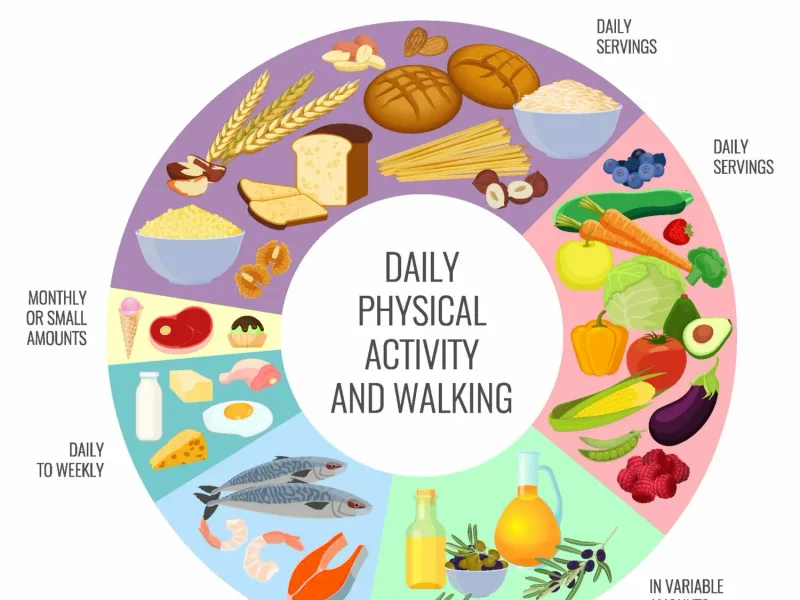
Managing cancer extends beyond medical treatments. A holistic approach supports overall well-being. This includes maintaining a balanced diet – perhaps avoiding heavy, fried foods commonly found in roadside stalls when feeling unwell – and engaging in gentle physical activity as advised by your doctor.
Mental and emotional health are equally vital. Practices like mindfulness, yoga, or seeking counselling can provide notable relief.
Regular follow-ups with your tumour specialist are non-negotiable, even after intervention concludes. These appointments help monitor for recurrence and manage long-term side effects. Early detection of recurrence significantly improves outcomes, making consistent medical attention a key factor in long-term health.
Remember, you are not alone on this journey. The medical community in Bettiah and across India is dedicated to providing the best possible care. With the right specialist and a strong support network, navigating cancer care becomes a more manageable path towards recovery and a healthier future.
Recovery is rarely linear.
Frequently Asked Questions
What is the difference between a tumour and cancer?
A tumour is a mass of abnormal cells. Not all tumours are cancerous (malignant); some are benign (non-cancerous) and do not spread. Cancer specifically refers to malignant tumours that can invade surrounding tissues and spread to other parts of the body.
How do I choose the right tumour specialist in Bettiah?
Look for specialists board-certified in oncology, preferably with experience in your specific cancer type. Ask your primary doctor for a referral, check hospital affiliations, and read online reviews. Consider their communication style and whether you feel comfortable discussing your health concerns with them.
Can I continue my normal diet while undergoing cancer intervention?
Dietary needs can change during cancer management. While a balanced diet is encouraged, your specialist or a registered dietitian can provide personalised advice. Some treatments may affect appetite or digestion, requiring adjustments to your food intake to ensure adequate nutrition and manage side effects.
What are the side effects of cancer management?
Side effects vary widely depending on the type of approach (chemotherapy, radiation, surgery, etc.) and the individual. Common side effects include fatigue, nausea, hair loss, and changes in appetite. Modern medicine focuses on managing these side effects effectively to improve your quality of life during therapy.
That's the part worth remembering.
Always consult a qualified physician before making medical decisions.