The Golden Elixir: Unveiling Turmeric Milk's Remarkable Wellness Benefits
Meena, 45, a homemaker from Jaipur, noticed a persistent dull ache in her joints, especially after long hours spent sitting on the floor during family gatherings. Her mother-in-law, a proponent of traditional remedies, suggested a simple yet potent concoction: haldi doodh, or turmeric milk. Skeptical yet hopeful, Meena started her daily ritual. Within weeks, the nagging joint pain began to subside, replaced by a newfound sense of ease and mobility. This isn't just Meena's story; it's a testament to the ancient wisdom encapsulated in a humble glass of warm milk infused with the vibrant spice – turmeric.
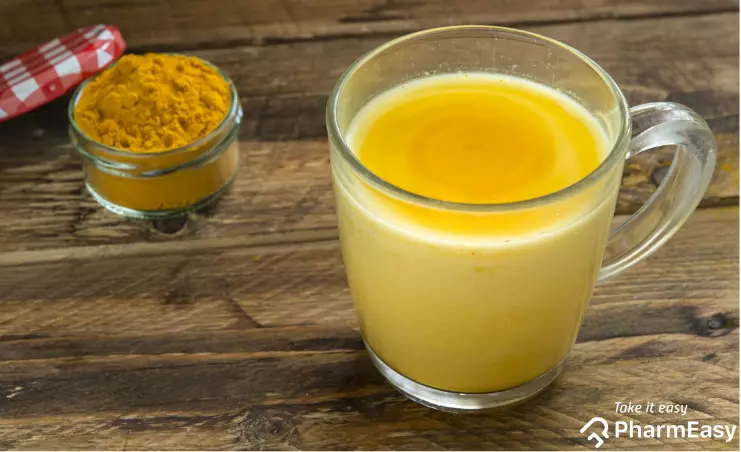
Turmeric milk, often called 'golden milk', has been a staple in Indian households for centuries, deeply rooted in Ayurvedic traditions. Its vibrant colour comes from curcumin, the active compound in turmeric, which is responsible for many of its purported wellness benefits.
What most people miss: this isn't just a comforting bedtime drink; it's a powerhouse of medicinal properties that can significantly impact your well-being. Here's the thing — while modern medicine offers incredible solutions, sometimes the answers lie in the wisdom passed down through generations.
Boost Your Immunity Naturally
In our quest for a robust immune system, especially in the face of changing seasons and new health challenges, turmeric milk emerges as a strong contender. The curcumin in turmeric possesses potent antimicrobial and antiviral qualities. Studies suggest that curcumin can modulate immune responses, helping the body fight off infections more effectively. For instance, research published in the International Journal of Molecular Sciences highlights curcumin's ability to stimulate the production of immune cells. A study by the All India Institute of Medical Sciences (AIIMS) indicated that regular consumption of turmeric could enhance cellular immunity. What should you actually do? Incorporate this golden drink into your daily routine, particularly during monsoon or winter months when infections are more prevalent. It's a gentle, natural way to fortify your body's defences.
Combating Inflammation: A Powerful Ally
Inflammation is a complex biological response, but chronic inflammation is a silent saboteur, linked to numerous serious wellness conditions, including heart disease, arthritis, and certain cancers. But why does this happen? The body's inflammatory response, when prolonged, can cause damage. Here's the thing — curcumin is a renowned agent against inflammation. Its mechanism of action is so effective that it has been compared to some medications used to reduce swelling, but without the harsh side effects. A landmark study in The Lancet demonstrated curcumin's significant effects in reducing inflammation. Considering that over 101 million Indians suffer from diabetes (ICMR, 2023), a condition often exacerbated by inflammation, turmeric milk offers a valuable dietary intervention. Its ability to reduce inflammatory markers in the body can provide relief for those suffering from conditions involving swelling.
Promoting Heart Health
The benefits of turmeric milk extend to cardiovascular well-being, a critical concern for many in India, where heart disease is a leading cause of mortality. Curcumin contributes to heart wellness in several ways. Firstly, its qualities that reduce swelling and act as antioxidants help protect the heart from damage. Secondly, it can improve the function of the endothelium, the lining of blood vessels, which makes a real difference in regulating blood pressure and clotting. Poor endothelial function is a major driver of heart disease. Research published in the Journal of Nutrition suggests that curcumin can positively influence cholesterol levels, potentially reducing the risk of atherosclerosis. While not a replacement for prescribed medications, adding turmeric milk to a heart-healthy diet, perhaps alongside traditional Indian fare like dals and sabzis rich in vegetables, can be a supportive measure. The International Diabetes Federation (IDF) consistently highlights the link between diabetes and increased cardiovascular possibility, further underscoring the importance of such dietary choices.
Aiding Digestion and Gut Health
In many cases, digestive issues plague individuals, leading to discomfort and impacting overall well-being. Turmeric has a long history of use in traditional medicine for digestive complaints. Curcumin stimulates bile production in the liver, which aids in the digestion of fats. It can also assist alleviate symptoms of indigestion, bloating, and gas.
What's more,, its qualities that reduce inflammation can be beneficial for conditions like irritable bowel syndrome (IBS) and other inflammatory gut disorders. What most people miss: the gut microbiome is intrinsically linked to overall well-being, and promoting a healthy gut environment is paramount. A healthy gut can lead to better nutrient absorption and a stronger immune system. Consider this: India, with its diverse culinary landscape, often involves rich spices; turmeric milk offers a gentle way to support your digestive system.
This is where most patients struggle.
Potential Neuroprotective Effects and Mood Enhancement
Emerging research suggests that curcumin might have beneficial effects on brain health. Its antioxidant and anti-inflammatory properties are believed to protect brain cells from damage. There's also a growing interest in its potential role in improving mood and alleviating indicators of depression. Studies, including those exploring the impact of natural compounds on mental well-being, indicate that curcumin can cross the blood-brain barrier and exert positive effects.
While more research is needed, the possibility of a natural drink aiding cognitive function and mood is certainly promising. What should you actually do? Enjoying a warm cup before bed might not only promote relaxation but could also contribute to long-term brain health.
Improving Skin Health
Who doesn't desire radiant, healthy skin? Turmeric milk can play a role here too. The anti-inflammatory and antioxidant qualities of curcumin are excellent for skin well-being, both when consumed and applied topically. Internally, by reducing inflammation and fighting free radicals, it can enable combat skin aging and promote a clearer complexion.
It may also assist in managing inflammatory skin conditions like acne and eczema. Honestly, the synergistic effect of the milk's nutrients and turmeric's curcumin makes it a holistic beauty booster. Many find that regular consumption leads to a more even skin tone and reduced breakouts.
Here's where it gets interesting.
How to Prepare the Perfect Turmeric Milk
Making this golden elixir is incredibly simple. You'll need:
- 1 cup of milk (dairy or plant-based like almond, soy, or oat milk)
- 1/2 to 1 teaspoon of turmeric powder
- A pinch of black pepper (crucial for enhancing curcumin absorption)
- Optional additions: a small piece of grated ginger, a cinnamon stick, a teaspoon of honey or maple syrup (added after cooling slightly)
Instructions:
- Combine milk, turmeric, and black pepper in a saucepan.
- Gently heat the mixture over medium heat. Do not boil vigorously.
- Stir continuously to ensure the turmeric dissolves and doesn't settle at the bottom.
- If using ginger or cinnamon, add them during heating.
- Once warm (not boiling), remove from heat.
- Strain the milk if you used whole spices like cinnamon sticks.
- If using sweeteners like honey or maple syrup, stir them in now.
- Pour into a mug and enjoy warm.
The addition of black pepper is not merely for taste; piperine, the compound in black pepper, significantly enhances the bioavailability of curcumin, meaning your body can absorb and utilise it much more effectively. This is a key detail often overlooked.
Some people also add a small amount of ghee or coconut oil for added healthy fats that can further aid absorption.
Important Considerations and Potential Side Effects
While turmeric milk is generally safe for most people, moderation is key. Excessive consumption of turmeric, particularly in supplement form, has been linked to gastrointestinal upset, nausea, and diarrhoea in some individuals. For those on blood-thinning medications, it's advisable to consult a doctor, as turmeric can have mild blood-thinning qualities.
Pregnant and breastfeeding women should also exercise caution and seek medical advice. Remember, this golden drink is a supplement to a healthy lifestyle, not a cure-all. Statistics show that lifestyle diseases are on the rise, affecting even younger populations; thus, a holistic approach combining diet, exercise, and mindful consumption is essential.
Key Takeaways
- Turmeric milk's primary active compound, curcumin, offers potent qualities that reduce inflammation and act as antioxidants.
- Regular consumption can benefit boost the immune system and protect against infections.
- It supports cardiovascular well-being by improving endothelial function and potentially managing cholesterol.
- The drink aids digestion and promotes gut health through increased bile production and reduced inflammation.
- Black pepper is essential for enhancing curcumin absorption, increasing its bioavailability.
Always consult a qualified physician before making any medical decisions.