Understanding Typhoid Fever
Typhoid fever, a bacterial infection caused by Salmonella Typhi, remains a significant public health concern in many regions, including parts of India. In Araria, like elsewhere, prompt and accurate diagnosis followed by appropriate medical intervention is crucial for a successful recovery. This infection spreads through contaminated food and water, making hygiene practices vital. Many of us have encountered stories of typhoid; understanding its treatment is key.
The causative agent, Salmonella Typhi, thrives in environments with poor sanitation. Consequently, areas with challenges in water purification and waste management are more susceptible. Early recognition of typhoid signs is paramount for initiating timely care. What most people miss is that early symptoms can be vague, often mimicking other common infections.
frequent Typhoid indicators to Watch For
Identifying typhoid fever early can significantly impact care outcomes. The signs can vary in intensity and presentation among individuals. Physicians often look for a specific cluster of indicators.
Key Indicators of Typhoid
- Sustained High Fever: A fever that gradually increases over days, often reaching 103-104°F (39.4-40°C), is a hallmark sign. This fever may not respond well to typical fever reducers initially.
- Headache: Persistent and often severe headaches accompany the fever.
- Fatigue and Weakness: Profound tiredness and a general lack of energy are typical.
- Muscle Aches: Generalized body aches and muscle pain are frequently reported.
- Loss of Appetite: A notable decrease in hunger often leads to unintentional weight loss.
- Abdominal Pain: Discomfort or pain in the stomach area can occur.
- Constipation or Diarrhea: While constipation is more typical, some individuals may experience diarrhea, especially in children.
- Rash: A faint rash, known as rose spots, may appear on the trunk in some cases. These are small, pinkish spots.
What should you actually do if you or a loved one experiences these signs? Seek medical attention immediately. Delaying care can lead to complications.
Diagnosis of Typhoid in Araria
Accurate diagnosis is the first step towards effective typhoid management. In Araria, healthcare facilities employ various diagnostic methods to confirm the infection.
Diagnostic Procedures
- Blood Tests: The most typical diagnostic tool is the blood culture. This test identifies the presence of Salmonella Typhi bacteria in the bloodstream. Specific antibody tests like the Widal test are also used, though they can sometimes yield false positives or negatives and are less reliable than cultures.
- Stool or Urine Tests: In later stages, the bacteria might be detectable in stool or urine samples.
- Bone Marrow Culture: This is considered the gold standard for diagnosis, especially in cases where blood cultures are negative, but it is more invasive.
Think about it this way: pinpointing the exact cause of your illness ensures the right approach is prescribed, preventing unnecessary medication and potential side effects.
Typhoid therapy Approaches
The cornerstone of typhoid approach involves antibiotics. The choice of antibiotic depends on the severity of the infection, the patient's age, and local antibiotic resistance patterns. Physicians in Araria consider these factors carefully.
Antibiotic Therapy
Historically, drugs like chloramphenicol were used, but concerns about side effects have led to the preference for newer agents. Current WHO guidelines recommend fluoroquinolones (like ciprofloxacin) or third-generation cephalosporins as first-line options for uncomplicated typhoid fever. Azithromycin is also a reliable alternative.
The duration of antibiotic therapy typically ranges from 7 to 14 days. It is absolutely vital to complete the entire course of antibiotics as prescribed, even if indicators improve sooner. Stopping early can lead to relapse and contribute to antibiotic resistance, a growing global health challenge.
And yet, so many people miss it.
In real-world terms, completing the antibiotic course ensures all the bacteria are eradicated, preventing the infection from flaring up again.
Supportive Care
Alongside antibiotics, supportive care plays a vital role in recovery. This includes:
- Hydration: Maintaining adequate fluid intake is crucial, especially if diarrhea or vomiting is present. Oral rehydration solutions (ORS) or intravenous fluids may be necessary.
- Rest: Adequate rest helps the body conserve energy and fight the infection.
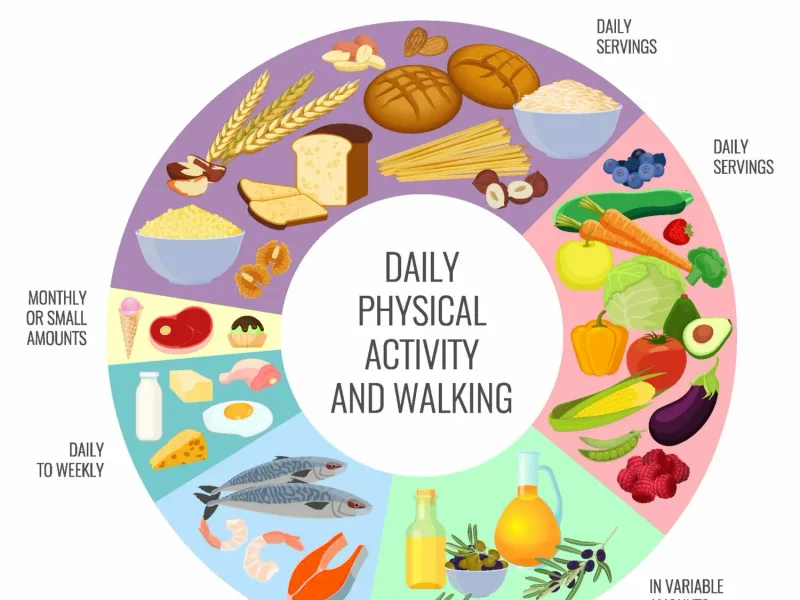
- Nutrition: A balanced, easily digestible diet is recommended. Focus on bland foods like rice gruel, boiled potatoes, and yogurt. Avoid spicy, oily, and processed foods that can irritate the digestive system.
- Fever Management: Paracetamol (acetaminophen) can be used to manage fever and body aches, following dosage instructions carefully.
Living with typhoid is genuinely hard, with prolonged weakness and discomfort. Supportive measures make the journey much more manageable.
Potential Complications of Typhoid
While most people recover with timely approach, typhoid fever can lead to serious complications if left unaddressed or if the infection is severe. These complications require immediate medical attention.
Serious Health Risks
- Intestinal Perforation: This is a life-threatening condition where the intestinal wall develops a hole. It requires emergency surgery.
- Hemorrhage: Severe bleeding in the intestines can occur, necessitating blood transfusions and intensive care.
- Neurological Issues: In rare cases, patients may experience confusion, delirium, or even seizures.
- Pneumonia: Typhoid can sometimes lead to lung infections.
- Kidney or Heart Problems: Systemic infection can affect other organ systems.
So what does that mean for you? It underscores the importance of seeking prompt medical care and adhering strictly to the prescribed care plan.
When to Seek Emergency Care
Immediate medical intervention is necessary if you experience any of the following signs, which may indicate a serious complication:
- Severe abdominal pain
- Vomiting blood or passing blood in stool
- High fever unresponsive to medication
- Confusion, lethargy, or difficulty staying awake
- Signs of dehydration (e.g., dry mouth, reduced urination, dizziness)
Physicians affiliated with institutions like AIIMS (All India Institute of Medical Sciences) emphasize that vigilance is key. Early warning signs must never be ignored.
Preventing Typhoid Fever
Prevention is always better than cure. Public health initiatives and individual practices play a crucial role in curbing the spread of typhoid fever in Araria and beyond.
Preventive Measures
- Vaccination: Typhoid vaccines are available and recommended for individuals traveling to or living in areas with a high risk of typhoid. Consult your doctor about the best vaccine for you.
- Sanitation: Ensure access to and use of safe drinking water and proper sanitation facilities. Proper waste disposal is vital.
- Food Safety: Practice good food hygiene. Wash hands thoroughly before preparing or eating food. Avoid consuming raw or undercooked food, especially seafood. Drink bottled or boiled water when traveling.
- Handwashing: Frequent and thorough handwashing with soap and clean water, especially after using the toilet and before eating, is one of the most impactful preventive actions.
Practically speaking, these simple habits create a strong defense against the bacteria. They protect not just you but your entire community.
Typhoid Recovery and Long-Term Health
Recovery from typhoid fever can take time. Even after the fever subsides and antibiotics are completed, some people experience lingering fatigue and weakness for several weeks. It's essential to be patient with your body's healing process.
Gradually reintroduce a normal diet, focusing on nutrient-rich foods to help rebuild strength. Avoid strenuous activities until you feel fully recovered. Staying hydrated and getting adequate sleep will further support your convalescence.
Some individuals may become carriers of the bacteria, meaning they can shed it in their stool or urine even without showing manifestations. Public health guidelines often advise on hygiene practices for identified carriers to prevent further spread. Understanding your body's signals is important throughout this phase.
This is where most those affected struggle.
Special Considerations for Araria
In Araria, as in many parts of rural India, access to clean water and robust sanitation infrastructure can be challenging. This context makes typhoid prevention and management particularly vital. Local health authorities and community health workers play an indispensable role in educating the public about hygiene and safe practices.
We often see that community-level awareness campaigns focusing on handwashing and safe food handling can significantly reduce transmission rates. Support for local clinics and ensuring availability of essential medicines are also key strategies employed by healthcare providers in the region.
What should you actually do? Stay informed about local health advisories and actively participate in community health programs. Your role is crucial in breaking the cycle of infection.
Conclusion: Your Path to Wellness
Typhoid fever, while a serious illness, is treatable and preventable. In Araria, a combination of timely medical intervention, adherence to prescribed therapies, and diligent preventive measures can lead to a full recovery and safeguard against future infections.
Remember, your health is your most valuable asset. By staying informed and proactive, you contribute to a healthier community for everyone.
Frequently Asked Questions
Can I eat rice if I have typhoid?
Yes, rice is generally a good food to eat during typhoid recovery. It is easily digestible and provides energy. Opt for plain rice, rice gruel (kanji), or khichdi, avoiding overly spicy or oily preparations.
That's the part worth remembering.
How long does typhoid management take?
Antibiotic care for typhoid typically lasts for 7 to 14 days. However, complete recovery from the fatigue and weakness associated with the illness can take several weeks. It's crucial to finish the full course of antibiotics.
Is typhoid contagious?
Yes, typhoid fever is contagious. It spreads through contaminated food and water from the feces or urine of an infected person. Practicing good hygiene, especially thorough handwashing, is vital to prevent transmission.
What are the long-term effects of typhoid?
Most people recover fully from typhoid with proper management. However, some may experience prolonged fatigue. In rare cases, complications like intestinal perforation or neurological issues can have lasting impacts. Some individuals can also become chronic carriers of the bacteria.
Always consult a qualified physician before making medical decisions.