Understanding Typhoid Fever
Typhoid fever is a serious bacterial infection caused by Salmonella Typhi. This bacterium spreads through contaminated food and water. In Arrah, as in other parts of India, it remains a significant public health concern, particularly during monsoon seasons when sanitation can be compromised. Recognizing the signs early is crucial for prompt and effective treatment.
Key Symptoms of Typhoid
Have you ever wondered why identifying typhoid early matters so much? The warning signs can sometimes be subtle, mimicking other common illnesses. typical indicators include:
- Sustained high fever (often above 102°F or 39°C)
- Headaches
- Fatigue and weakness
- Abdominal pain
- Constipation or diarrhoea (sometimes described as 'pea soup' stools)
- Loss of appetite
- Rash (rose spots)
The reality is, a prolonged fever without a clear cause often warrants medical investigation for typhoid. Does this sound familiar to someone you know?
Diagnosis in Arrah: What to Expect
Physicians in Arrah employ several methods to confirm a typhoid diagnosis. Standard diagnostic procedures include:
- Blood Tests: The Widal test is commonly used, though it can sometimes yield false positives or negatives. Newer, more specific antibody tests are also available. Blood cultures are considered the gold standard for confirming the presence of Salmonella Typhi.
- Stool or Urine Tests: These can detect the bacteria in the body, especially in later stages of the infection.
- Bone Marrow Culture: This is the most sensitive test, often performed when other tests are inconclusive.
Practically speaking, a combination of clinical signs and laboratory results guides the physician's diagnosis.
Typhoid therapy Approaches
impactful intervention hinges on prompt medical attention and adherence to the prescribed therapy. The cornerstone of typhoid approach is antibiotics. Specialists select these based on the suspected or confirmed strain of Salmonella Typhi and local resistance patterns.
Antibiotic Therapy
Commonly prescribed antibiotics include azithromycin, ciprofloxacin, and ceftriaxone. The course duration typically lasts 7-14 days.
It is vital that people affected complete the entire course, even if they start feeling better. Stopping early can lead to relapse or the development of antibiotic resistance – a growing global concern highlighted by the World Health Organization (WHO).
Supportive Care
Alongside antibiotics, supportive care is vital for recovery. This includes:
- Hydration: Drinking plenty of fluids (oral rehydration solutions, clear soups, water) is essential to prevent dehydration, especially if diarrhoea is present.
- Rest: Adequate rest helps the body fight the infection and speeds up healing.
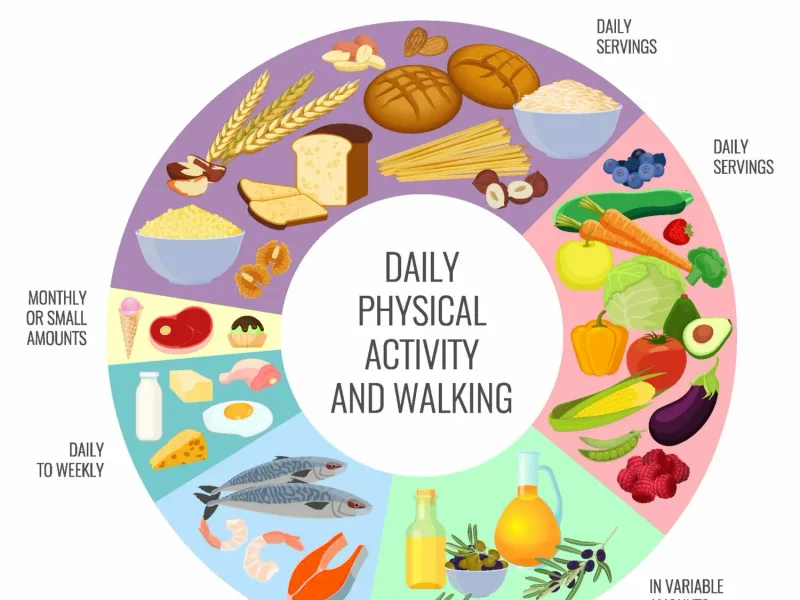
- Nutrition: A balanced, easily digestible diet is recommended. Focus on bland foods like rice, yogurt, and cooked vegetables. Avoid spicy or oily foods that might irritate the stomach.
Worth knowing: For severe cases, hospitalization might be necessary for intravenous fluids and closer monitoring by healthcare professionals.
Recovery and Prevention in Arrah
Recovering from typhoid takes time. Many individuals experience lingering fatigue for weeks after the fever subsides. Strengthening the immune system through good nutrition and gradual return to normal activities is key.
Preventing Recurrence
Preventing typhoid is as crucial as treating it. Key preventive measures include:
- Vaccination: Typhoid vaccines are available and recommended for those at high risk or travelling to endemic areas. Consult specialists in Arrah about vaccination options.
- Sanitation: Practicing good personal hygiene, especially thorough handwashing with soap and clean water, is paramount. Ensure safe drinking water sources and proper food handling.
- Public Health Initiatives: Local health authorities in Arrah continuously work on improving sanitation and water quality to curb the spread of infectious diseases like typhoid.
Living with the threat of typhoid is genuinely hard, but awareness and proactive measures can significantly reduce its impact on our community.
Specialized Care in Arrah
Several healthcare facilities and experienced physicians in Arrah are equipped to handle typhoid cases. These specialists often collaborate with institutions like the Indian Council of Medical Research (ICMR) for updated therapy protocols.
Early consultation with a local doctor ensures timely diagnosis and access to appropriate therapy, which can significantly improve outcomes.
Frequently Asked Questions
Can I eat rice if I have typhoid?
Yes, rice is generally recommended as it is bland and easy to digest. It can help provide energy during your recovery. Focus on well-cooked rice and avoid adding excessive spices or oil.
How long does typhoid care take?
The typical antibiotic course for typhoid lasts 7 to 14 days. However, full recovery, including regaining energy and strength, may take several weeks after completing the medication. Listen to your body and gradually resume activities.
Most people overlook this completely.
Is typhoid contagious?
Yes, typhoid is contagious. It spreads through contaminated food or water. Practicing good hygiene, such as frequent handwashing, is crucial to prevent spreading the infection to others.
When should I see a doctor for fever in Arrah?
You should consult a doctor in Arrah if you have a high fever (above 102°F or 39°C) that persists for more than a couple of days, especially if accompanied by severe headache, abdominal pain, or unusual fatigue. Prompt medical evaluation is key.
Always consult a qualified physician before making medical decisions.