Understanding Typhoid Fever: A Vital Health Concern
Typhoid fever, a serious systemic infection caused by the bacterium Salmonella enterica serovar Typhi (Salmonella Typhi), remains a significant public health challenge in many regions, including Bhagalpur. This bacterial illness is primarily spread through contaminated food and water. Honestly, understanding its treatment and management is crucial for effective recovery.
Symptoms and Diagnosis: Recognizing the Signs
The indicators of typhoid fever can vary, but common signs include a sustained high fever (often peaking in the evening), headache, weakness, and abdominal pain. Some individuals might experience a rash (rose spots) or constipation, while others develop diarrhea. What most people miss: these indicators can be insidious, making early diagnosis vital.
Diagnosing typhoid fever typically involves several key steps performed by qualified physicians. A blood culture is considered the gold standard, aiming to identify the presence of Salmonella Typhi. Other diagnostic methods may include stool cultures or a bone marrow culture, especially in cases where blood cultures are negative but suspicion remains high. In many cases, prompt laboratory confirmation is essential for initiating the correct therapeutic approach.
Typhoid care in Bhagalpur: Expert Medical Approaches
Antibiotic Therapy: The Cornerstone of intervention
The primary approach to treating typhoid fever involves a course of antibiotics. The choice of antibiotic depends on factors such as the severity of the illness, local antibiotic resistance patterns (which can vary geographically, even within Bhagalpur), and the patient's overall health status.
prevalent classes of antibiotics used include fluoroquinolones (like ciprofloxacin), cephalosporins, and macrolides. Physicians carefully select these medications to effectively eradicate the bacteria.
Ensuring adherence to the prescribed antibiotic regimen is paramount. Stopping care prematurely, even if signs improve, can lead to relapse or the development of drug-resistant strains of the bacteria. Doctors often prescribe a 7-14 day course, depending on the specific medication and patient response. Does this sound familiar? Many patients feel better quickly and discontinue medication, complicating recovery.
Supportive Care: Enhancing Recovery
Beyond antibiotics, supportive care plays a vital role in helping those affected recover. Maintaining adequate hydration is crucial, especially if diarrhea or vomiting is present.
Oral rehydration solutions (ORS) or intravenous fluids may be administered to prevent dehydration and electrolyte imbalances. Adequate rest also helps the body fight the infection.
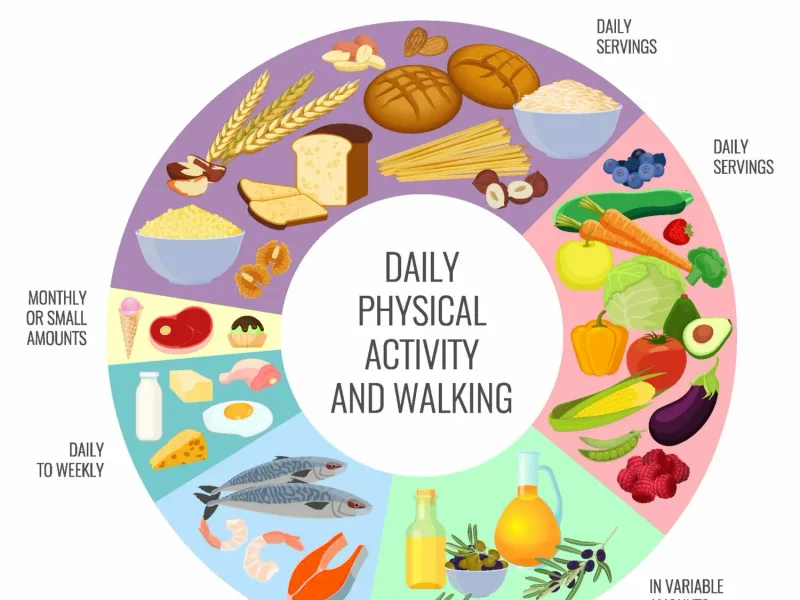
Nutritional support is another key component. A balanced diet, rich in easily digestible foods, can help boost the immune system. Physicians often recommend soft, bland foods and plenty of fluids. What should you actually do? Focus on nourishing, simple meals and stay well-hydrated.
When to Seek Specialist Care
While general physicians in Bhagalpur are well-equipped to manage most typhoid cases, certain situations necessitate referral to a specialist. Complicated typhoid fever, which can involve severe intestinal issues (like perforation or bleeding) or spread to other organs, requires urgent attention from an infectious disease specialist or a surgeon.
The numbers don't lie.
Early recognition of warning signs—such as severe abdominal pain, persistent vomiting, or signs of shock—is critical.
Preventing Typhoid Fever: Proactive Health Measures
Preventing typhoid infection is as important as treating it. Public health initiatives and individual practices significantly reduce the risk of contracting the illness. Key preventive measures include:
- Vaccination: Typhoid vaccines are available and recommended for individuals traveling to endemic areas or those at high possibility. Consult with your physician about the most suitable vaccine.
- Sanitation: Practicing good personal hygiene, such as frequent handwashing with soap and clean water, especially after using the toilet and before handling food, is vital.
- Safe Food and Water: Consuming only properly cooked food and bottled or boiled water helps prevent ingestion of the bacteria. Avoid raw foods from unverified sources.
- Community Efforts: Supporting and participating in local sanitation improvement programs, as recommended by institutions like the WHO (World Health Organization), strengthens community resilience against infectious diseases.
Honestly, these simple yet impactful measures can significantly protect you and your community from typhoid fever.
Frequently Asked Questions
Can I eat rice if I have typhoid fever?
Yes, plain rice is generally considered a safe and easily digestible food for individuals recovering from typhoid fever. It provides carbohydrates for energy without being too taxing on the digestive system. Ensure it is well-cooked and consumed as part of a balanced, bland diet.
How long does it take to recover from typhoid fever?
Recovery timelines vary, but most individuals begin to feel significantly better within a few days of starting impactful antibiotic care. A full recovery typically takes several weeks. It's crucial to complete the full course of antibiotics prescribed by your doctor to prevent relapse and ensure complete eradication of the bacteria.
Is typhoid contagious?
Yes, typhoid fever is contagious. The bacteria are shed in the feces and sometimes urine of infected individuals, and can spread through contaminated food or water. Practicing meticulous hygiene, such as thorough handwashing, is essential to prevent transmission to others.
And yet, so many people miss it.
Always consult a qualified physician before making medical decisions.