Understanding Typhoid Fever in Chhapra
Typhoid fever, a serious bacterial infection, remains a significant health concern in many parts of India, including Chhapra. Caused by the bacterium Salmonella Typhi, this illness spreads through contaminated food and water. Here's the thing — timely and accurate treatment is crucial for recovery and preventing complications. This guide provides an in-depth look at typhoid approach options available in Chhapra, focusing on expert medical advice and patient care.
We often see patients presenting with classic signs of typhoid. The infection primarily affects the intestinal tract, but its systemic nature means it can impact multiple organs. Recognizing the indicators early is key to initiating effective care.
Symptoms and Diagnosis of Typhoid Fever
The incubation period for typhoid fever typically ranges from 6 to 30 days. Initial warning signs can be vague, often mimicking other common febrile illnesses. Think about it this way: a high fever is usually the first major indicator.
prevalent Typhoid Indicators:
- Sustained high fever (often rising gradually each day)
- Headache, which can be severe
- Fatigue and weakness
- Muscle aches (myalgia)
- Loss of appetite
- Constipation or diarrhoea (diarrhoea is more frequent in infants)
- Abdominal pain
- Rash (rose spots) — appearing on the trunk in some cases
Practically speaking, diagnosing typhoid requires a combination of clinical evaluation and laboratory tests. Physicians in Chhapra rely on several diagnostic methods to confirm the infection.
Diagnostic Approaches:
- Blood Tests: The most frequent tests include the Widal test and blood cultures. Blood cultures are considered the gold standard, detecting the bacteria directly. While the Widal test detects antibodies, its reliability can vary.
- Stool and Urine Cultures: These tests can identify Salmonella Typhi shed by the body.
- Bone Marrow Culture: This is a highly sensitive test, particularly useful in cases where other tests are inconclusive.
Accurate diagnosis ensures that the correct intervention approach is initiated promptly. This avoids unnecessary use of antibiotics and helps prevent the development of drug-resistant strains.
Typhoid care Strategies in Chhapra
The cornerstone of typhoid approach is antibiotic therapy. The choice of antibiotic depends on factors like the severity of illness, patient's age, and local patterns of antibiotic resistance. Specialist physicians in Chhapra adhere to guidelines set by global health organizations like the World Health Organization (WHO).
Antibiotic Therapy:
For uncomplicated typhoid fever, oral antibiotics are typically prescribed. usual choices include:
- Fluoroquinolones: Such as ciprofloxacin, are often successful but are used cautiously due to rising resistance.
- Macrolides: Azithromycin is a frequently used alternative, especially when fluoroquinolone resistance is suspected.
- Cephalosporins: Third-generation cephalosporins like ceftriaxone may be used, particularly in injectable forms for more severe cases.
The duration of antibiotic approach usually spans 7 to 14 days. It's vital that people affected complete the entire course of medication, even if they start feeling better sooner. Stopping early can lead to relapse or the development of chronic carriers.
That alone changes everything.
But why does this happen? In some individuals, the bacteria may not be completely eradicated, allowing them to persist in the gallbladder or bile ducts. These individuals become chronic carriers and can spread the infection to others without showing indicators themselves.
Managing Severe Typhoid and Complications:
Severe typhoid fever can lead to dangerous complications, including intestinal perforation (a hole in the bowel wall), haemorrhage (bleeding), and typhoid encephalopathy (brain dysfunction). Hospitalization is necessary for individuals with severe warning signs or signs of complications.
In Chhapra's healthcare facilities, individuals with severe typhoid receive:
- Intravenous (IV) fluids and antibiotics
- Close monitoring of vital signs
- Supportive care for organ function
- In cases of perforation or severe bleeding, surgical intervention may be required. This is a critical step managed by experienced surgeons.
Worth knowing: Early recognition of warning signs like worsening abdominal pain, persistent vomiting, or altered consciousness is paramount for timely surgical consultation.
Supportive Care: The Bedrock of Recovery
Beyond antibiotics, supportive care plays a vital role in a patient's recovery. This ensures that the body can effectively fight the infection and regain strength.
- Hydration: Adequate fluid intake is essential, especially if the patient experiences fever or diarrhoea. Oral rehydration solutions (ORS) are highly recommended.
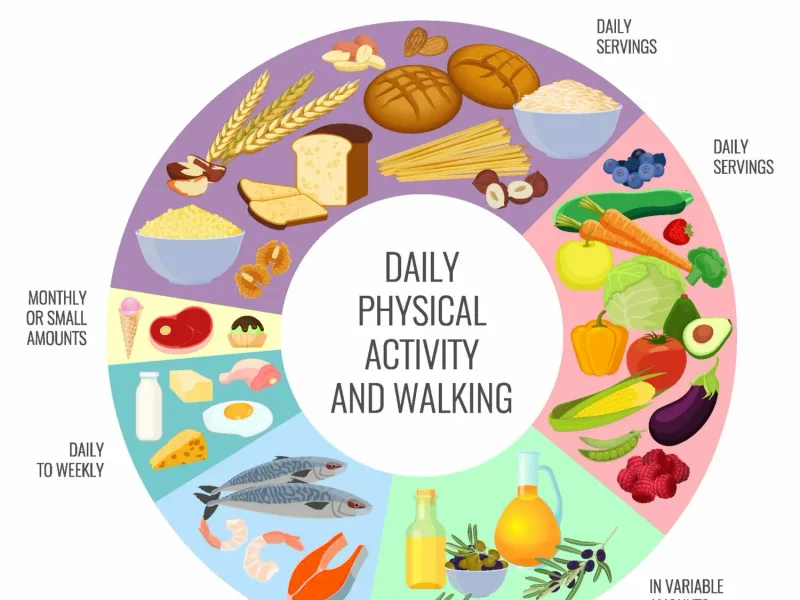
- Nutrition: A balanced, easily digestible diet helps in restoring energy. Frequent small meals are often better tolerated than large ones. Focus on foods like rice gruel (khichdi), boiled potatoes, and tender cooked vegetables.
- Rest: Ample rest allows the body to heal and conserve energy.
Living with the prolonged illness and discomfort of typhoid is genuinely hard. However, with proper care and adherence to medical advice, complete recovery is achievable.
Post-care and Prevention Strategies
Once the acute phase of typhoid fever subsides, ongoing care and preventative measures are important to avoid recurrence and further spread.
Follow-up and Monitoring:
Physicians often recommend follow-up appointments to ensure the infection has been fully cleared. Stool cultures may be repeated, particularly for individuals working in food handling roles, to confirm they are no longer carriers.
Prevention is Key:
Preventing typhoid involves a multi-pronged approach, focusing on sanitation and hygiene.
- Safe Water: Drink only boiled or purified water. Avoid consuming ice unless made from purified water.
- Food Hygiene: Eat freshly cooked food. Avoid raw foods, uncooked fruits, and vegetables that cannot be peeled. Ensure food is stored properly.
- Handwashing: Frequent and thorough handwashing with soap and clean water, especially before eating and after using the toilet, is a simple yet impactful habit.
- Sanitation: Proper disposal of human waste is crucial to prevent contamination of water sources.
- Vaccination: Typhoid vaccines are available and recommended for individuals travelling to or living in areas with a high risk of typhoid. Consult specialists about vaccine options suitable for your needs. Institutions like the Indian Council of Medical Research (ICMR) provide guidelines on vaccination strategies.
So what does that mean for you? Embracing these preventive measures in daily life significantly reduces the possibility of contracting typhoid, not just for yourself but for your family and community.
Accessing Typhoid Care in Chhapra
Chhapra has several healthcare facilities, ranging from government hospitals to private clinics and nursing homes, equipped to diagnose and treat typhoid fever. Accessing timely medical care is straightforward.
That alone changes everything.
- Government Hospitals: These facilities often provide affordable care and are well-equipped to handle infectious diseases.
- Private Clinics and Hospitals: Offer specialized care and may have advanced diagnostic tools.
- Local Pharmacies: While not a substitute for medical consultation, pharmacists can offer advice on over-the-counter remedies for symptom relief and guide individuals towards appropriate medical help.
It's always best to consult a qualified physician for diagnosis and care. Early intervention is the most reliable path to a swift and full recovery.
Frequently Asked Questions
How long does typhoid approach typically last?
The duration of antibiotic therapy for typhoid fever usually spans 7 to 14 days. Completing the full course as prescribed by your doctor is vital for complete eradication of the bacteria and preventing relapse.
Can typhoid be cured completely?
Yes, typhoid fever can be cured completely with appropriate antibiotic therapy and supportive care. However, a small percentage of individuals can become chronic carriers, meaning the bacteria persist in their body even after indicators resolve.
What should I eat during typhoid recovery?
During recovery, focus on a diet of easily digestible foods. This includes options like rice gruel (khichdi), boiled potatoes, cooked vegetables, and clear soups. Ensure you stay well-hydrated with water or oral rehydration solutions.
Is typhoid contagious?
Typhoid is contagious and spreads through contaminated food and water. Practicing good hygiene, such as thorough handwashing and consuming safe food and water, is essential to prevent its transmission.
Here's where it gets interesting.
Always consult a qualified physician before making medical decisions.