Understanding Enteric Fever: A Gumla Perspective
A serious bacterial infection, enteric fever, impacts thousands across India each year. It is caused by Salmonella Typhi and disseminates via tainted food and impure drinking sources. In Gumla, as in other parts of India, swift and precise intervention is crucial for recovery and avoiding adverse outcomes. Delayed diagnosis frequently results in severe outcomes.
This bacterial illness continues to pose a substantial public health concern. India has a high burden of enteric fever, with millions of cases reported each year. Prompt symptom recognition and rapid clinical intervention are paramount. Individuals suspecting this condition should seek immediate guidance.
Recognizing Enteric Illness Symptoms
manifestations of enteric illness may appear subtly at first. Often, they manifest progressively over a period of one to three weeks following bacterial exposure. Common indicators include:
- Persistently elevated body temperature (often 103-104°F or 39-40°C)
- Headache
- Weakness and fatigue
- Stomach pain
- Constipation or diarrhoea (especially in children)
- Loss of appetite
- Rash (rose spots) – less typical
A sustained elevation in body temperature, unresponsive to standard antipyretics (fever reducers), serves as a critical indicator. Because many of these manifestations can resemble other prevalent ailments, a definitive diagnosis becomes indispensable.
Diagnosis: Pinpointing Enteric Illness in Gumla
Precise identification of the illness marks the initial phase toward effective management of this concern. Healthcare providers in Gumla use various diagnostic methods:
Clinical History and Physical Examination
A clinician will investigate recent travel, dietary consumption, hydration habits, and any documented exposure. Through a physical examination, overall health is evaluated, and particular indicators such as abdominal tenderness are pinpointed.
Laboratory Tests
To confirm the diagnosis, several laboratory tests are employed:
- Blood Tests: Historically, the Widal test has been employed, yet its dependability may fluctuate. Faster results are provided by more recent rapid diagnostic tests (RDTs). The gold standard for identifying Salmonella Typhi is considered to be blood culture, or a culture of blood.
- Stool Culture: By checking for bacteria within stool samples, this examination confirms infection and aids in discerning antimicrobial resistance profiles.
- Bone Marrow Culture: For persistent or challenging presentations, isolating the bacteria is achieved through this highly sensitive technique.
The Indian Council of Clinical Research (ICMR) stresses the significance of microbiological confirmation for selecting suitable therapeutic approaches.
Enteric Illness Management Approaches
Managing this enteric infection primarily encompasses antimicrobial agents and supportive measures. The objective is to eradicate the bacteria and proficiently alleviate manifestations.
Antimicrobial Therapy
Antimicrobial therapy is essential for resolving this illness. Several factors dictate the selection of an antimicrobial agent, among them the infection's severity, prevailing resistance patterns, and patient characteristics such as age and allergies.
That alone changes everything.
- Commonly Prescribed Antimicrobials: In cases of uncomplicated enteric illness, clinicians frequently prescribe fluoroquinolones (e.g., ciprofloxacin), cephalosporins (e.g., ceftriaxone), or azithromycin. These agents are broadly accessible and typically efficacious.
- Antimicrobial Resistance: Globally and within India, the rise of multidrug-resistant (MDR) strains of Salmonella Typhi presents an increasing concern. Resistance to older, more economical antimicrobial agents such as ampicillin, chloramphenicol, and trimethoprim-sulfamethoxazole has been observed in certain bacteria. To direct the most potent pharmaceutical selection, physicians are required to conduct susceptibility testing. Continuous monitoring of resistance patterns is advocated by the World Health Organization (WHO).
- Duration of Regimen: Courses of antimicrobial agents typically span 7 to 14 days, although this duration can vary. Even after symptomatic improvement, completing the entire regimen is crucial to avert recurrence and mitigate the likelihood of becoming a chronic carrier.
A primary challenge for clinicians involves guaranteeing the appropriate antimicrobial agent is utilized, informed by local epidemiological data.
Supportive Care
While antimicrobial agents form the foundation, supportive interventions substantially assist recuperation:
- Hydration: Elevated body temperature and diarrhea can result in fluid loss. Ingesting ample fluids—including oral rehydration solutions (ORS), clear broths, juices, and plain drinking sources—is paramount. ORS sachets are widely accessible and endorsed by the WHO.
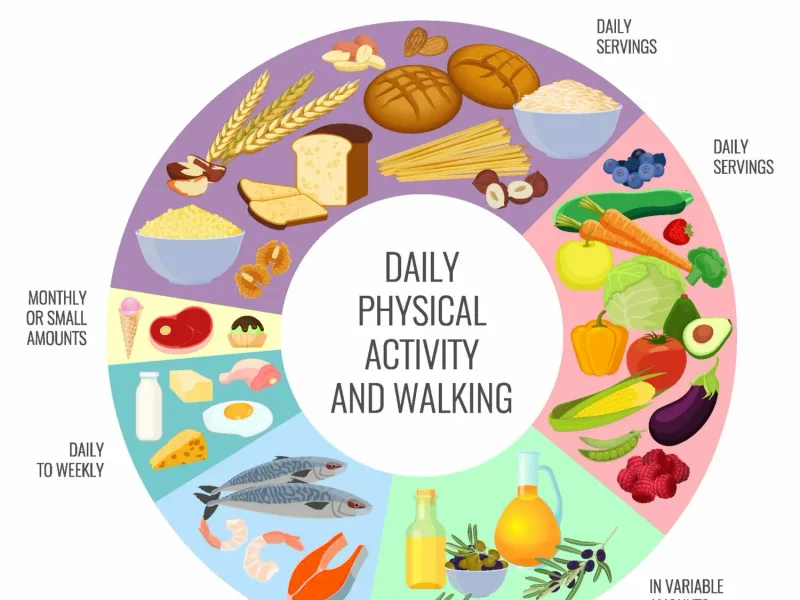
- Nutrition: An easily digestible, balanced diet holds importance. Concentrate on mild foods such as rice gruel, boiled potatoes, and toast. Foods that are spicy, oily, or fibrous should be avoided, as they may irritate the gastric system.
- Rest: Sufficient rest enables the body to combat the infection and recover.
- Temperature Management: Paracetamol may be employed to manage elevated temperatures and discomfort, following a physician's recommendation.
Hospitalization: When is it Necessary?
Although numerous instances of this disorder can be managed at home with appropriate care, inpatient admission might become necessary under specific circumstances:
- Severe dehydration
- Persistent vomiting
- Signs of complications (e.g., intestinal bleeding, perforation)
- High body temperature unresponsive to oral medication
- When the patient cannot manage fluids or medications at home
District hospitals and adequately equipped private clinics in Gumla are capable of managing such presentations. Intravenous (IV) fluids and antimicrobial agents are administered under stringent clinical oversight. While less usual with timely intervention, complications can indeed be life-threatening.
Potential Complications
Should this enteric illness remain unaddressed or be inadequately managed, it can precipitate grave complications:
- Intestinal Perforation: A hole forms in the intestinal wall, a surgical emergency.
- Haemorrhage: Significant bleeding from the intestines.
- Encephalitis: Inflammation of the brain.
- Pneumonia: Lung infection.
- Kidney or Heart Problems: Less prevalent but possible.
- Chronic Carrier State: Some individuals may continue to shed the bacteria in their stool for years, potentially infecting others.
The gravity of these outcomes highlights the imperative of seeking prompt clinical attention. Proactive measures are preferable to awaiting symptom exacerbation.
Prevention Strategies in Gumla
Averting this illness is as critical as managing it. Public health endeavors prioritize:
- Safe Drinking Sources: Access to clean, potable drinking sources is foundational. It is advisable to boil drinking sources before consumption or employ dependable purification techniques.
- Food Hygiene: Before food preparation or consumption, practicing meticulous hand hygiene is crucial. Bacteria are eliminated by thoroughly washing produce and cooking food to appropriate temperatures. Stringent hygiene standards must be maintained by street food vendors.
- Sanitation: The dissemination of bacteria is curtailed by enhanced sanitation infrastructure.
- Vaccination: Vaccinations against this enteric infection are available and advised for individuals journeying to or residing in regions where the risk of the illness is elevated. Options for immunization should be discussed with a healthcare provider. As part of a holistic control approach, vaccination is recommended by the World Health Organization (WHO).
Simple practices can yield a substantial impact on community well-being.
Living with Enteric Illness: Recovery and Beyond
Recuperation from this concern requires time. Even once elevated temperatures abate, fatigue and debility may endure for weeks. To regain strength, a gradual resumption of normal activities and a nutritious diet are beneficial.
Enduring this concern presents major challenges, particularly given its physical demands. Nevertheless, with appropriate clinical attention and focus on recuperation, the majority of individuals in Gumla can resume their customary routines. Patients frequently achieve full recovery when diligently adhering to clinical guidance.
Key Takeaways
- Prompt diagnosis of this enteric illness, often through blood or stool cultures, is essential to direct successful antimicrobial therapy.
- Antimicrobial resistance poses an escalating challenge; susceptibility testing ensures the most proven intervention.
- Alongside antimicrobial agents, supportive care—comprising hydration and adequate nutrition—is vital for recuperation.
- Crucial for reducing the incidence of this illness in Gumla are preventive actions such as ensuring safe drinking sources, maintaining food hygiene, and promoting vaccination.
Frequently Asked Questions
Can rice be consumed during an enteric infection?
Yes, plain, easily digestible rice, such as rice gruel or congee, is frequently advised during recovery from this problem. Heavily spiced or oily rice preparations should be avoided. As appetite returns, concentrate on mild, nourishing sustenance.
It sounds simple. It rarely is.
What is the typical duration of an enteric fever episode?
Without appropriate intervention, this issue can persist for weeks or even months. With suitable antimicrobial therapy, most individuals begin to improve within a few days, though complete recuperation may span several weeks.
Does this enteric illness spread?
Indeed, the issue is transmissible. Dissemination occurs via contaminated food or drinking sources, frequently originating from the feces of an affected individual. To avert transmission, practicing meticulous hygiene, particularly handwashing, is crucial.
What constitutes powerful home support for an enteric infection?
While antimicrobial agents are indispensable, supportive home care encompasses maintaining good hydration with ORS and clean drinking sources, ensuring sufficient rest, and adhering to a bland, nutritious diet. These interventions aid the body's healing mechanisms but do not supersede clinical therapy.
before making healthcare decisions, always consult a qualified clinician.