Understanding Typhoid Fever in Jalpaiguri
Typhoid fever remains a significant public health concern in many regions, including Jalpaiguri. This infectious disease, caused by the bacterium Salmonella Typhi, spreads through contaminated food and water. Prompt and accurate treatment is crucial for recovery and preventing complications. We often see people in Jalpaiguri seeking reliable information about managing this illness.
The Culprit: Salmonella Typhi
Salmonella Typhi is a resilient bacterium. It thrives in environments with poor sanitation. Once ingested, it colonizes the small intestine. From there, it can spread to the bloodstream and other organs. Have you ever wondered why hygiene is so vital in preventing diseases like typhoid?
Recognising Typhoid: Key Signs and Symptoms
Early identification of typhoid fever is key to effective therapy. Physicians look for a characteristic set of signs and indicators. These often develop gradually over one to three weeks after exposure.
- Prolonged High Fever: A persistent fever, often rising by the end of the day, is a hallmark. Temperatures can reach 103-104°F (39.4-40°C).
- Headache: Intense and persistent headaches are common.
- Fatigue and Weakness: Affected individuals feel extremely tired and lack energy.
- Muscle Aches: Generalised body aches are frequently reported.
- Loss of Appetite: A major decrease in hunger is a typical indicator.
- Constipation or Diarrhoea: While constipation is more usual in adults, diarrhoea can occur, especially in children.
- Abdominal Pain: Discomfort or pain in the stomach area is often present.
- Rash: A faint rash (rose spots) may appear on the chest and abdomen in some cases.
Diagnosis: The First Step to Recovery
Diagnosing typhoid fever accurately is paramount. Specialists in Jalpaiguri employ several diagnostic methods. These help confirm the presence of Salmonella Typhi. The reality is, relying solely on warning signs can be misleading; laboratory tests are essential.
Blood Tests
Several blood tests can support detect the bacteria or its components. The Widal test, while historically used, has limitations regarding specificity and sensitivity.
Newer methods like the Typhidot test and blood cultures are often preferred by doctors for more reliable results. Blood cultures remain the gold standard, directly identifying the bacteria.
Stool and Urine Tests
Stool and urine samples can also be tested for the presence of Salmonella Typhi. These tests are particularly useful in identifying carriers—individuals who harbour the bacteria without showing manifestations.
Typhoid therapy Approaches in Jalpaiguri
successful typhoid therapy centres on eradicating the bacteria and managing indicators. Physicians in Jalpaiguri tailor the approach based on the severity of the illness and the patient's overall health. The primary goal is to benefit the affected person regain strength and prevent relapse.
Antibiotic Therapy: The Cornerstone of Care
Antibiotics are the mainstay of typhoid intervention. The choice of antibiotic depends on local resistance patterns and the patient's condition.
widespread classes of antibiotics used include fluoroquinolones (like ciprofloxacin), cephalosporins, and macrolides. In real-world terms, selecting the right antibiotic is crucial, especially with rising antimicrobial resistance.
Important Considerations:
- Duration of management: The course of antibiotics typically lasts for 7 to 14 days. Completing the full course is vital, even if signs improve earlier.
- Antibiotic Resistance: Resistance to older antibiotics like ampicillin and chloramphenicol is a growing concern globally, as noted by the World Health Organization (WHO). Specialists carefully consider this when prescribing.
- Side Effects: Like all medications, antibiotics can have side effects. Patients should report any adverse reactions to their doctor immediately.
Supportive Care: Essential for Recovery
Beyond antibiotics, supportive care plays a vital role in recovery. This helps the body fight the infection and compensates for lost fluids and nutrients. Living with the debilitating effects of typhoid is genuinely hard, making supportive measures indispensable.
The numbers don't lie.
- Hydration: Maintaining adequate fluid intake is paramount. Oral rehydration solutions (ORS) are highly recommended, especially if diarrhoea is present. For severe dehydration, intravenous (IV) fluids may be necessary. This is similar to how a farmer ensures their crops get enough water during a dry spell – consistent replenishment is key.
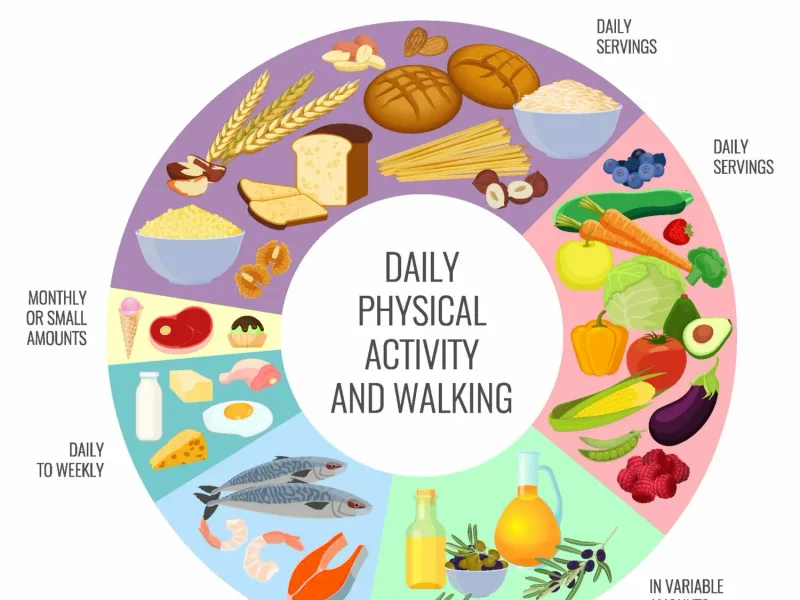
- Nutrition: A balanced, easily digestible diet is crucial. Focus on bland foods like rice gruel (khichdi), boiled potatoes, and clear soups. Avoid spicy, oily, or high-fibre foods initially.
- Rest: Adequate rest allows the body to conserve energy and focus on healing.
- Fever Management: Physicians may recommend antipyretic medications like paracetamol to manage fever, but always under medical guidance.
When Typhoid Becomes Severe: Complications to Watch For
While most cases of typhoid are manageable with timely approach, complications can arise. These are more likely if care is delayed or inadequate. Awareness of these potential issues enables prompt medical intervention.
- Intestinal Perforation: This is a life-threatening complication where the intestinal wall develops a hole. It requires immediate surgical attention.
- Haemorrhage: Severe bleeding in the intestines can occur, leading to notable blood loss.
- Neurological Complications: In rare instances, typhoid can affect the brain, causing signs like delirium, seizures, or coma.
- Encephalopathy: This is a severe brain dysfunction that can result from the infection.
- Relapse: Some individuals may experience a recurrence of manifestations weeks after initial recovery. This necessitates further antibiotic care.
Is there a better way than facing these severe outcomes? Yes, by adhering strictly to medical advice and completing the prescribed care.
Post-intervention Care and Long-Term Health
Recovery from typhoid fever extends beyond the completion of antibiotics. Continued attention to diet and lifestyle helps strengthen the body and prevent future infections. Many of us have seen those affected feel weak for some time after the acute illness.
- Gradual Return to Normal Diet: Slowly reintroduce a wider variety of foods as appetite and digestion enhance.
- Maintaining Hygiene: Consistent handwashing and safe food/water practices are vital to prevent reinfection or spreading the bacteria.
- Follow-up: Attending follow-up appointments with your doctor ensures complete recovery and addresses any lingering concerns.
Preventing Typhoid: A Community Effort
Prevention is always better than cure. Public health initiatives play a crucial role in controlling typhoid in areas like Jalpaiguri. The Indian Council of Medical Research (ICMR) emphasizes several preventive strategies.
- Safe Drinking Water: Ensure access to clean, potable water. Boiling water or using proven purification methods is recommended.
- Proper Sanitation: Improved sanitation facilities and responsible waste disposal are fundamental.
- Food Safety: Practise good hygiene when preparing and consuming food. Wash fruits and vegetables thoroughly. Avoid street food from unreliable vendors.
- Handwashing: Frequent and thorough handwashing, especially after using the toilet and before eating, is critical.
- Vaccination: Typhoid vaccines are available and recommended for individuals travelling to endemic areas or those at high risk. Specialists often advise on the suitability of these vaccines.
Seeking Expert Medical Care in Jalpaiguri
For typhoid approach in Jalpaiguri, seeking timely care from qualified physicians is essential. Look for specialists experienced in infectious diseases or gastroenterology.
Institutions like North Bengal Medical College and Hospital provide advanced care. Choosing the right healthcare provider ensures you receive evidence-based management and compassionate support.
The reality is, prompt medical attention significantly boosts recovery chances and minimizes the chance of complications. Don't delay seeking benefit if you suspect typhoid fever.
Frequently Asked Questions
Can I continue my normal diet while recovering from typhoid?
Initially, focus on a bland, easily digestible diet. Gradually reintroduce a wider variety of foods as your appetite and digestion elevate. Avoid spicy, oily, and high-fibre foods during the initial recovery phase.
This is where most sufferers struggle.
How long does it take to recover from typhoid fever?
With appropriate antibiotic intervention and supportive care, most people start feeling better within a few days. However, complete recovery can take several weeks. Fatigue may persist for some time.
Is typhoid contagious? Can I spread it to others?
Yes, typhoid is contagious and spreads through contaminated food and water. Practising strict personal hygiene, especially frequent handwashing, is crucial to prevent transmission to family members and the community.
Are there any long-term effects of typhoid fever?
While most people recover fully, some may experience prolonged fatigue or digestive issues. In rare cases, severe complications can lead to long-term health problems. Consistent follow-up with your physician helps monitor for any lingering effects.
Always consult a qualified physician before making medical decisions.