Understanding Typhoid Fever in Kalimpong
Typhoid fever, a serious bacterial infection caused by Salmonella Typhi, remains a significant public health concern in many parts of India, including the scenic region of Kalimpong. Cases often present with a persistent elevated temperature and gastrointestinal distress. This infection significantly impacts daily life, necessitating prompt and accurate therapeutic intervention. A thorough understanding of the disease and its management constitutes the initial phase of recuperation.
The Culprit: Salmonella Typhi
Transmission of the bacterium Salmonella Typhi occurs via contaminated food and potable sources. Where sanitation or access to clean potable supplies poses difficulties, the risk of disease transmission may rise. Indeed, even minimal exposure to contaminated material is sufficient to cause infection. This aspect holds particular relevance in diverse geographical settings such as this region, where potable supplies can be susceptible to contamination.
Recognizing Symptoms Associated with this Illness
Prompt identification of warning signs associated with this illness is essential for effective therapeutic management. Expeditious medical attention can avert severe complications. Common indicators include:
- Sustained high fever (often rising stepwise)
- Headache
- General weakness and fatigue
- Abdominal pain
- Constipation or diarrhea (sometimes alternating)
- Loss of appetite
- Rash (rose spots) in some individuals
Should an individual experience these indicators, immediate medical consultation is advised.
Diagnosis: The First Step to Healing
Accurate diagnosis of this condition depends on specific laboratory investigations. Healthcare providers within this region, similar to specialists globally, evaluate a patient's medical history and physical examination findings. Key diagnostic tools include:
- Blood Tests: The Widal test, an agglutination assay, has historically been employed, though its diagnostic reliability can fluctuate. Newer serological methods, such as the Typhidot test, provide more rapid results. Blood cultures, which directly identify the bacterium, are regarded as the definitive standard for confirming the presence of Salmonella Typhi.
- Stool or Urine Tests: These can detect the bacteria, especially in later stages of the illness or if the individual is a carrier.
Establishing a correct diagnosis facilitates the commencement of the most suitable therapeutic regimen.
Typhoid Management in Kalimpong: A Medical Perspective
Management of the bacterial infection primarily entails antibiotic administration, complemented by supportive measures to alleviate warning signs and mitigate dehydration. , age, known allergies).
Guidelines from the World Health Organization underscore the critical importance of adhering to the complete antibiotic regimen prescribed by a physician.
Antibiotic Therapy
Frequently prescribed antimicrobial agents encompass:
- Fluoroquinolones: (e.g., Ciprofloxacin) - These are frequently a primary therapeutic option, yet increasing antimicrobial resistance presents a notable challenge.
- Cephalosporins: (e.g., Ceftriaxone) - These agents prove particularly beneficial in more severe presentations or when fluoroquinolone resistance is a clinical suspicion.
- Macrolides: (e.g., Azithromycin) - They serve as an alternative choice, particularly suitable for pediatric patients or expectant mothers.
A critical understanding of antimicrobial resistance, a global challenge, informs physician decisions based on local prevalence patterns within this specific locale. individuals must always administer prescribed medication precisely as instructed.
Supportive Care: Enhancing Recuperation
In addition to antibiotic therapy, supportive measures are foundational for robust recuperation. Key elements of this approach include:
- Hydration: Consuming ample fluids—such as oral rehydration solutions (ORS), which are electrolyte-rich liquids, clear broths, and plain potable water—is imperative to avert dehydration, particularly when diarrhea is present.
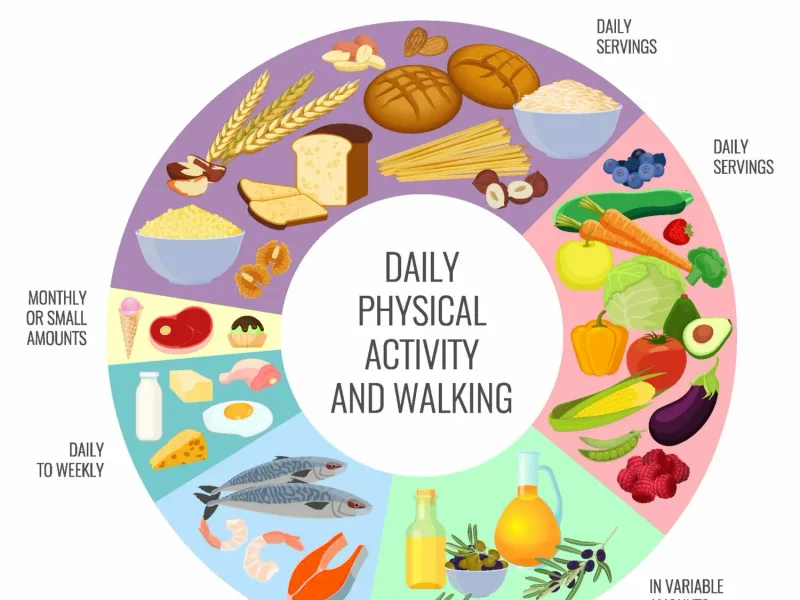
- Nutrition: A balanced, readily digestible dietary intake assists the body in regaining strength. Emphasis should be placed on bland foodstuffs, including rice gruel (khichdi), boiled potatoes, and yogurt.
- Rest: Sufficient rest enables the physiological system to dedicate its energy reserves to combating the infection and facilitating healing.
Experiencing this illness presents notable challenges; however, this holistic approach demonstrably enhances the healing trajectory.
When to Seek Specialist Care
Although general practitioners manage the majority of cases of this bacterial disease, specific circumstances mandate specialist referral. , intestinal perforation or hemorrhage), or situations where the patient exhibits no response to initial therapeutic interventions.
This is where most sufferers struggle.
Within the region, accessing specialist expertise at facilities such as the District Hospital or private clinics guarantees advanced medical attention when required. sufferers should not hesitate to inquire with their physician regarding the advisability of a specialist consultation.
Preventing the Illness: A Community Effort
Prophylaxis consistently supersedes therapeutic intervention. Public health initiatives across the region prioritize enhancing sanitation infrastructure and guaranteeing access to safe potable supplies. Individual hygiene practices are instrumental:
- Thoroughly wash hands with soap and clean potable sources before meals, following toilet use, and after handling waste materials.
- Consume foodstuffs that are thoroughly cooked, and refrain from raw or insufficiently prepared items.
- Ingest boiled or purified potable sources. Bottled alternatives may offer a safer option when uncertainty exists.
- Exercise prudence regarding street vendors' food, particularly in densely populated locales.
Immunization also represents an powerful preventive strategy. Typhoid conjugate vaccines (TCVs), which provide long-lasting immunity, are endorsed by the WHO and are increasingly available. Individuals should discuss immunization options with their healthcare provider.
Navigating the Illness in Kalimpong's Unique Setting
The distinctive hilly topography and specific environmental determinants of this region can impact the dissemination and management of infectious diseases. The provision of clean potable supplies and impactful waste management systems remain