Understanding Typhoid Fever in Khunti
Typhoid fever, a serious bacterial infection caused by Salmonella enterica serovar Typhi (S. Typhi), remains a significant public health concern in many regions, including Khunti district in Jharkhand, India. This disease spreads through contaminated food and water. We often see cases where individuals consume food or water contaminated with the feces of an infected person. The reality is, timely and accurate treatment is crucial for a full recovery and to prevent serious complications. This guide provides insights into typhoid care approaches specifically within the context of Khunti.
Key Indicators of Typhoid
Recognizing the signs is the first step towards seeking prompt medical attention. Common symptoms include:
- Sustained high fever (often above 102°F or 39°C)
- Headaches
- Fatigue and weakness
- Muscle aches
- Loss of appetite
- Abdominal pain
- Constipation or diarrhea (sometimes alternating)
- Rash (rose spots) – less usual
Living with these indicators is genuinely hard, and they can mimic other febrile illnesses, making a definitive diagnosis vital.
Diagnostic Approaches in Khunti
Accurate diagnosis is the cornerstone of effective typhoid care. Physicians in Khunti employ several methods:
Blood Tests
The most frequent diagnostic tool is the blood culture. This test identifies the presence of S. Typhi bacteria in your bloodstream. While highly specific, it's most reliable during the first week of illness. The Indian Council of Medical Research (ICMR) emphasizes the importance of early blood cultures for accurate diagnosis.
Stool and Urine Tests
Stool cultures and urine cultures can also detect the bacteria, particularly in later stages of the illness or in carriers (individuals who have recovered but still shed the bacteria). A positive stool culture confirms the presence of infection.
Bone Marrow Culture
Considered the gold standard, bone marrow cultures offer the highest sensitivity, even when antibiotics have been administered. However, this invasive procedure is reserved for complex or persistent cases.
Rapid Diagnostic Tests
While less prevalent in routine practice, rapid diagnostic tests (like the Typhi Dot test) can provide quicker results. You'll notice that their accuracy can vary, and they are often used in conjunction with other diagnostic methods.
Typhoid intervention Strategies
The primary approach to treating typhoid fever involves antibiotics, supported by careful monitoring and supportive care. The World Health Organization (WHO) provides guidelines for powerful antibiotic therapy.
It sounds simple. It rarely is.
Antibiotic Therapy
Antibiotics are vital for eliminating the bacteria and preventing complications. widespread choices include:
- Fluoroquinolones: Ciprofloxacin is a frequently prescribed option, especially in areas where resistance is not widespread.
- Cephalosporins: Third-generation cephalosporins like Ceftriaxone are often used, particularly for severe infections or when resistance to fluoroquinolones is suspected. The AIIMS (All India Institute of Medical Sciences) often recommends these for inpatient care.
- Azithromycin: This macrolide antibiotic is another reliable choice, particularly useful for outpatient management and in cases of mild to moderate illness.
The duration of antibiotic therapy typically ranges from 7 to 14 days, depending on the antibiotic used and the severity of the infection. What should you actually do? Always complete the full course of prescribed antibiotics, even if you start feeling better. Stopping early can lead to relapse and antibiotic resistance.
Supportive Care
Beyond antibiotics, supportive measures are crucial for recovery:
- Hydration: Maintaining adequate fluid intake is paramount. Oral rehydration solutions (ORS) or intravenous fluids are essential to combat dehydration caused by fever and diarrhea.
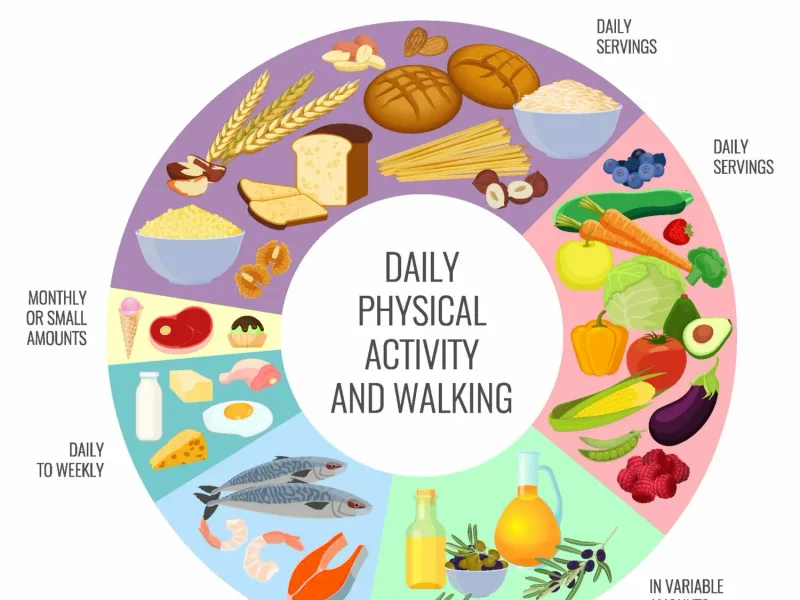
- Nutrition: A bland, easily digestible diet is recommended. Think about it this way: nourishing your body helps it fight the infection. Frequent small meals are often better than large ones.
- Rest: Adequate rest allows the body to focus its energy on healing.
- Fever Management: Paracetamol can be used to manage fever and discomfort.
Challenges and Considerations in Khunti
Several factors influence typhoid therapy in Khunti:
Antibiotic Resistance
A growing concern globally and in India is the emergence of multi-drug resistant (MDR) strains of S. Typhi. This means certain antibiotics are no longer powerful. The National Centre for Disease Control (NCDC) monitors these trends. This necessitates careful selection of antibiotics based on local resistance patterns and susceptibility testing. What should you actually do? Your physician will choose the most appropriate antibiotic based on your specific situation and the latest clinical data.
Access to Healthcare
While Khunti has healthcare facilities, access can sometimes be a challenge, particularly in remote areas. Early presentation to a primary health center or hospital is key. Worth knowing: timely access to diagnostics and prescription medications can significantly impact outcomes.
Public Health Infrastructure
Improving sanitation and access to clean drinking water are long-term strategies to reduce the incidence of typhoid. Local public health initiatives play a vital role in community education and disease surveillance.
Patient Experience and Recovery
Many individuals experience a gradual improvement in warning signs once antibiotic therapy begins. However, fatigue can persist for several weeks. You'll notice that patients who adhere strictly to their approach plan and follow medical advice tend to recover more smoothly.
The numbers don't lie.
Remember, typhoid is a marathon, not a sprint. Patience and consistent care are key. One observed patient in a similar setting mentioned how the initial weakness was debilitating, but consistent oral rehydration and a simple diet made a major difference over time.
Preventive Measures
Prevention is always better than cure. Key strategies include:
- Ensuring consumption of safe, clean drinking water. Boiling water before drinking is a reliable method.
- Practicing good personal hygiene, especially frequent handwashing with soap and clean water, particularly before eating and after using the toilet.
- Thoroughly cooking food, especially meat and seafood.
- Avoiding raw or undercooked foods when traveling or in areas with poor sanitation.
- Vaccination: Typhoid vaccines are available and recommended for individuals traveling to or living in endemic areas. Consult your doctor about vaccine options. India has seen progress in vaccine accessibility, supported by organizations like the WHO.
When to Seek Urgent Medical Care
While most cases are manageable, certain signs warrant immediate medical attention:
- Severe abdominal pain
- Persistent vomiting
- Signs of dehydration (e.g., dry mouth, decreased urination, dizziness)
- Confusion or altered mental state
- Bleeding from the rectum
These indicators could suggest serious complications like intestinal perforation or hemorrhage, requiring hospitalization and intensive care. Is there a better way? Prompt medical intervention significantly improves outcomes in such critical situations.
The Role of Healthcare Providers in Khunti
Physicians and healthcare workers in Khunti are on the front lines of typhoid management. They work tirelessly to diagnose, treat, and educate the community. Their expertise ensures that those affected receive evidence-based care aligned with national and international standards, such as those recommended by the Indian Academy of Pediatrics (IAP).
Key Takeaways
- Typhoid fever is a bacterial infection requiring prompt antibiotic care.
- Accurate diagnosis via blood, stool, or bone marrow cultures is vital.
- Antibiotic resistance is a growing concern, influencing intervention choices.
- Supportive care, including hydration and nutrition, is crucial for recovery.
- Preventive measures like safe water, hygiene, and vaccination are paramount.
Always consult a qualified physician before making medical decisions.
Frequently Asked Questions
Can I eat rice if I have typhoid?
Yes, rice can be part of your diet during typhoid recovery. Opt for plain, well-cooked rice, as it is easily digestible. Avoid spicy or oily preparations that might irritate your stomach. Focus on a bland diet as recommended by your doctor.
Here's where it gets interesting.
How long does typhoid care take?
Typhoid intervention typically involves a course of antibiotics lasting 7 to 14 days. Full recovery, including regaining strength, may take several weeks after completing the medication. It's essential to complete the entire antibiotic course prescribed by your physician.
Is typhoid contagious?
Yes, typhoid is contagious. It spreads through contaminated food or water, often from the feces of an infected person. Practicing meticulous hygiene, such as frequent handwashing, is crucial to prevent its spread to others.
What are the home remedies for typhoid?
While antibiotics are the primary approach, supportive home care is beneficial. Ensure adequate hydration with ORS or boiled and cooled water. Consume easily digestible foods like rice gruel, boiled vegetables, and yogurt.
Adequate rest is also vital for recovery. However, home remedies should complement, not replace, prescribed medical therapy.