Understanding Typhoid Fever
Typhoid fever is a serious bacterial infection caused by Salmonella enterica serovar Typhi (Salmonella Typhi). This illness primarily affects people in areas with poor sanitation and contaminated food or water supplies. In Nawada, like in many parts of India, typhoid remains a significant public health concern. We often see cases during monsoon and post-monsoon seasons when water contamination risk increases.
The bacteria spread through contaminated food or water. Ingestion of even small amounts can lead to infection. In real-world terms, this means sharing food or water with an infected person, or consuming produce washed with contaminated water, can transmit the disease.
Recognizing Typhoid Symptoms
Identifying typhoid signs early is vital for prompt treatment. Have you ever wondered why? Because delays can lead to severe complications. Common indicators include:
- Sustained high fever (often above 103°F or 39.4°C)
- Headache
- Weakness and fatigue
- Stomach pain
- Constipation or diarrhoea (sometimes alternating)
- Loss of appetite
- Rash (rose spots) — this appears in a minority of cases.
In some instances, the fever may climb steadily over several days. Some people might experience a sore throat or cough. The severity of these signs can vary greatly among individuals.
Diagnosis: The First Step to Recovery
Accurate diagnosis is crucial for effective typhoid therapy. Physicians in Nawada employ several methods to confirm the infection. These include:
Blood Tests
The gold standard for diagnosis involves blood cultures. This test detects the presence of Salmonella Typhi bacteria in the bloodstream. The World Health Organization (WHO) recommends blood cultures for definitive diagnosis. Early detection enables timely intervention.
Stool and Urine Tests
Stool (faecal) and urine cultures can also identify the bacteria. These tests are particularly useful in later stages of the illness. They help confirm the diagnosis when blood cultures might be negative.
Bone Marrow Culture
In complex or persistent cases, a bone marrow culture might be performed. This offers high sensitivity but is more invasive. It's typically reserved for situations where other tests are inconclusive.
Serological Tests (e.g., Widal Test)
While commonly used, serological tests like the Widal test have limitations. They detect antibodies produced by the body against the bacteria. Their reliability can be affected by prior infections or vaccinations. Therefore, they are often used in conjunction with other diagnostic methods.
Typhoid approach Approaches in Nawada
successful management of typhoid fever requires a multi-pronged approach, focusing on eradicating the bacteria and managing indicators. Physicians in Nawada follow established clinical guidelines, often aligning with recommendations from institutions like the Indian Council of Medical Research (ICMR).
That alone changes everything.
Antibiotic Therapy
Antibiotics are the cornerstone of typhoid intervention. The choice of antibiotic depends on factors like local resistance patterns and patient history. widespread medications include:
- Fluoroquinolones: Such as ciprofloxacin, often a first-line choice where resistance is not prevalent.
- Cephalosporins: Third-generation options like ceftriaxone are impactful, especially for severe cases or in areas with high quinolone resistance.
- Macrolides: Azithromycin is another reliable option, particularly useful due to its oral bioavailability and good safety profile.
It's vital to complete the full course of antibiotics as prescribed. Stopping early can lead to relapse and antibiotic resistance. How serious is this really? Inadequate care can prolong illness and increase the chance of complications.
Supportive Care
Beyond antibiotics, supportive care is essential for recovery. This helps the body fight the infection and manage distressing indicators.
- Hydration: Maintaining adequate fluid intake is paramount. Oral rehydration solutions (ORS) or intravenous fluids are used to prevent dehydration, especially if diarrhoea or vomiting is present.
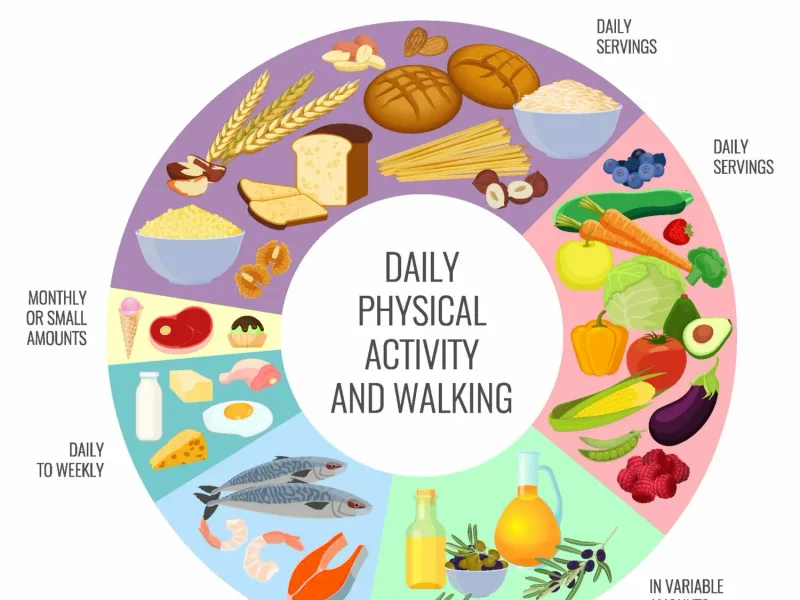
- Nutrition: A balanced, easily digestible diet is recommended. Focusing on bland foods like rice gruel, boiled vegetables, and yogurt can assist. Avoid spicy, oily, or heavy meals that may aggravate stomach discomfort.
- Rest: Adequate rest allows the body to conserve energy and focus on healing.
- Fever Management: Paracetamol (acetaminophen) is commonly used to reduce fever and alleviate headaches. Aspirin is generally avoided due to the likelihood of Reye's syndrome in children and potential stomach irritation.
Potential Complications of Untreated Typhoid
Living with typhoid is genuinely hard, and complications can make it much worse. If left untreated or inadequately managed, typhoid fever can lead to severe health issues. These include:
- Intestinal Perforation: The intestinal lining can develop a hole, a life-threatening emergency requiring immediate surgical intervention. This is a critical concern highlighted by global health bodies like the WHO.
- Hemorrhage: notable bleeding in the intestines can occur.
- Neurological Issues: In rare instances, patients may experience delirium, confusion, or even seizures.
- Pneumonia: Lung inflammation can develop as a complication.
- Infections in Other Organs: The bacteria can spread to other parts of the body, causing issues like bone or urinary tract infections.
Think about it this way: Ignoring typhoid signs is like ignoring a fire alarm. Prompt medical attention is the only way to prevent such serious outcomes.
Preventing Typhoid in Nawada
Prevention is always better than cure. Public health initiatives in Nawada focus on improving sanitation and promoting safe practices. Key preventive measures include:
- Safe Drinking Water: Ensure drinking water is clean and properly treated. Boiling water or using reliable purification methods is recommended, especially during high-chance periods.
- Food Hygiene: Practice good food handling. Wash fruits and vegetables thoroughly. Avoid raw or undercooked foods. Eat food that is freshly cooked and served hot.
- Handwashing: Frequent and thorough handwashing with soap and clean water is crucial, particularly before eating and after using the toilet.
- Vaccination: Typhoid vaccines are available and recommended for individuals travelling to or living in endemic areas. Consult your doctor about vaccination options.
Worth knowing: Even with vaccination, maintaining strict hygiene practices remains vital as vaccines don't offer 100% protection.
Seeking Medical enable in Nawada
When you suspect typhoid, seeking prompt medical care is essential. Nawada has several healthcare facilities, including government hospitals and private clinics, staffed by qualified physicians. Specialists in infectious diseases and internal medicine are equipped to manage typhoid cases effectively.
Don't delay seeking enable if you or a loved one experiences persistent high fever and other related indicators. Early diagnosis and appropriate therapy, as per standards like those from AIIMS guidelines, significantly improve outcomes and speed up recovery.
Remember, managing typhoid requires diligence from both healthcare providers and those affected. By understanding the illness, recognizing its signs, and adhering to intervention protocols, recovery is achievable. We encourage everyone to prioritize health and seek professional medical advice without hesitation.
Recovery is rarely linear.
Frequently Asked Questions
Can I eat rice if I have typhoid?
Yes, rice is generally a good food to eat when you have typhoid. It is bland, easy to digest, and provides energy. Opt for simple preparations like rice gruel or plain boiled rice rather than fried or heavily spiced rice dishes.
How long does typhoid management take?
Typhoid management typically lasts for 7 to 14 days, depending on the antibiotic prescribed and the severity of the illness. It is crucial to complete the entire course of medication, even if you start feeling better, to prevent relapse and the development of antibiotic resistance.
Is typhoid contagious?
Typhoid is contagious and spreads through contaminated food and water. Practicing good hygiene, such as thorough handwashing, is essential to prevent its spread to others. This is a key public health message emphasized by organizations like the WHO.
What is the most typical complication of typhoid fever?
The most typical serious complications of typhoid fever include intestinal perforation (a hole in the intestine) and intestinal hemorrhage (bleeding). These require immediate medical and often surgical intervention and highlight the importance of timely and complete care.
Here's where it gets interesting.
Always consult a qualified physician before making medical decisions.