Understanding Typhoid Fever
Typhoid fever, a serious bacterial infection caused by Salmonella Typhi, remains a significant public health concern in many regions, including Saharsa. This illness spreads through contaminated food and water. Early diagnosis and appropriate treatment are crucial for a full recovery and to prevent complications. We often see patients in Saharsa presenting with prolonged fever and gastrointestinal distress.
Symptoms and Diagnosis in Saharsa
Recognizing the signs of typhoid is the first step toward seeking timely care. 4°C), headache, weakness, and stomach pain.
Some people may also experience constipation or a rash. In many cases, what most people miss are the subtle early signs, which can be mistaken for common viral infections.
Diagnostic methods employed by physicians in Saharsa typically involve:
- Blood Tests: The Widal test has historically been used, though newer methods like the Typhidot test offer faster results. Blood cultures remain the gold standard for confirming the presence of Salmonella Typhi.
- Stool or Urine Tests: These can detect the bacteria, especially in later stages of the illness.
Prompt laboratory confirmation helps specialists in Saharsa tailor the most effective management approach.
Typhoid therapy Approaches
The cornerstone of typhoid management is antibiotics. The choice of antibiotic depends on factors like the severity of the illness, the patient's age, and local antibiotic resistance patterns. Physicians in Saharsa, adhering to WHO guidelines, select medications to eradicate the bacteria.
Antibiotic Therapy
Commonly prescribed antibiotics include:
- Fluoroquinolones: Ciprofloxacin is often a first-line choice for uncomplicated typhoid fever.
- Cephalosporins: For more severe cases or where resistance to fluoroquinolones is suspected, third-generation cephalosporins like Ceftriaxone are vital.
- Azithromycin: This macrolide antibiotic is an alternative, particularly useful for children and pregnant women.
What should you actually do? Adhere strictly to the prescribed course of antibiotics. Stopping early can lead to relapse and contribute to antibiotic resistance, a growing global challenge highlighted by institutions like the ICMR.
Supportive Care
Alongside antibiotics, supportive measures are essential to help the body fight the infection and manage signs. These include:
- Hydration: Maintaining adequate fluid intake is paramount. Oral rehydration solutions (ORS) are highly recommended, especially if diarrhoea is present. Intravenous fluids may be necessary for severely dehydrated individuals.
- Rest: Adequate rest allows the body to focus its energy on healing.
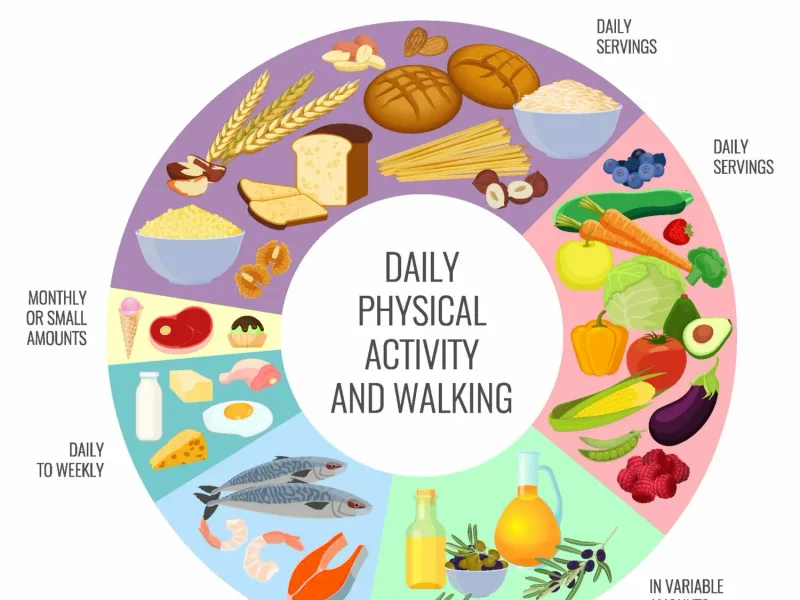
- Nutrition: A balanced, easily digestible diet is crucial. Opt for bland foods like rice gruel (khichdi), boiled potatoes, and soups. Avoid spicy, oily, or fibrous foods that can irritate the digestive system. This dietary advice is particularly relevant for individuals in Saharsa adapting to local cuisine.
Living with a prolonged illness like typhoid is genuinely hard, making attentive supportive care vital.
Preventing Typhoid Recurrence
Preventing typhoid involves a multi-pronged strategy focusing on hygiene and vaccination. What most people miss is the importance of consistent handwashing.
Hygiene Practices
Simple yet impactful hygiene measures include:
- Washing hands thoroughly with soap and clean water after using the toilet and before handling food.
- Consuming only properly cooked food and avoiding raw or undercooked items.
- Drinking only boiled or purified water. Bottled water from reliable sources is also a safe option.
- Ensuring proper sanitation facilities are used.
Vaccination
Vaccination offers a reliable layer of protection against typhoid fever. Several types of typhoid vaccines are available, including:
- Injectable Vaccines: Typhoid conjugate vaccine (TCV) and Typhoid polysaccharide vaccine (Vi-PS).
- Oral Vaccines: Live-attenuated oral vaccines (e.g., Vivotif).
Consulting with specialists in Saharsa about the most suitable vaccine, especially for children and those at high risk, is a wise step. The World Health Organization (WHO) recommends routine typhoid conjugate vaccination for children aged 9 months and older.
When to Seek Immediate Medical Attention
While most cases of typhoid are manageable with timely management, certain signs indicate a need for urgent medical intervention. These include severe abdominal pain, persistent vomiting, confusion, or signs of dehydration like dry mouth and reduced urination.
The numbers don't lie.
Is there a better way than ignoring severe indicators? Promptly reaching a hospital in Saharsa can prevent life-threatening complications such as intestinal perforation or sepsis, conditions that even leading institutions like AIIMS treat with urgency.
Special Considerations in Saharsa
The prevalence of typhoid in certain areas of Saharsa necessitates heightened awareness and proactive healthcare strategies. Access to clean drinking water and robust sanitation infrastructure are key determinants in controlling the spread of enteric fever.
Local public health initiatives often focus on improving these basic amenities. On top of that,, understanding local antibiotic resistance patterns helps physicians prescribe the most reliable therapy.
You'll notice that a combination of medical management, rigorous hygiene, and vaccination forms the strongest defence against typhoid. This integrated approach is vital for protecting individuals and the community.
Conclusion: Empowering Health in Saharsa
Typhoid fever, though a serious illness, is treatable and preventable. By understanding its warning signs, seeking prompt medical evaluation from qualified physicians in Saharsa, adhering to prescribed treatments, and practicing diligent hygiene, individuals can significantly improve their health outcomes. Vaccination further strengthens this protective shield.
Recovery is rarely linear.
We encourage everyone to prioritize their health and well-being, working together with healthcare providers to build a healthier Saharsa. Remember, proactive care is the most impactful approach.
Frequently Asked Questions
Can I eat rice if I have typhoid?
Yes, you can generally eat rice when you have typhoid, especially in the form of a bland rice gruel or khichdi. Easily digestible carbohydrates are beneficial during recovery. Avoid overly oily or spicy preparations of rice.
How long does typhoid management typically last?
The typical duration for antibiotic care for typhoid fever is usually between 7 to 14 days, depending on the antibiotic used and the severity of the infection. It is crucial to complete the entire course as prescribed by your doctor.
Is typhoid contagious?
Yes, typhoid fever is contagious. It spreads through the faeces of infected individuals, contaminating food and water supplies. Practicing good hygiene, like thorough handwashing, is essential to prevent its spread.
What is the best way to prevent typhoid?
The best prevention strategies include getting vaccinated against typhoid, maintaining excellent personal hygiene (especially handwashing), consuming safe food and water, and ensuring proper sanitation. These measures collectively offer robust protection.
That alone changes everything.
Always consult a qualified physician before making medical decisions.