Understanding Typhoid Fever: A Simdega Perspective
Typhoid fever remains a significant public health concern in many regions, including Simdega, Jharkhand. Caused by the bacterium Salmonella enterica serovar Typhi (often shortened to Salmonella Typhi), this infectious disease spreads through contaminated food and water. We often see cases where delayed diagnosis or inadequate treatment can lead to severe complications. India faces a substantial burden, with an estimated 1.1 crore cases and 1.3 lakh deaths annually, as per studies published in The Lancet Global Health. Understanding the available approach options and preventative strategies is crucial for residents of Simdega.
Symptoms and Diagnosis: Recognizing the Signs
Early recognition of typhoid signs is key to effective management. High fever, often a persistent headache, and general weakness are common initial indicators.
You'll notice that other signs can include abdominal pain, loss of appetite, and sometimes a rash (rose spots). Constipation is more frequent than diarrhoea in adults, though children may experience the opposite.
Accurate diagnosis relies on clinical evaluation and laboratory tests. Physicians in Simdega will typically consider your travel history and exposure risks. The gold standard for diagnosis is a blood culture, which can identify Salmonella Typhi. Other tests, like the Widal test, may be used, although their reliability can vary, especially after vaccination or in areas with endemic disease. What should you actually do? Seek medical attention promptly if you suspect typhoid.
Typhoid management Approaches in Simdega
The cornerstone of typhoid therapy is antibiotic therapy. The choice of antibiotic depends on the severity of the illness, local resistance patterns, and individual patient factors. Physicians often prescribe fluoroquinolones (like ciprofloxacin) or cephalosporins.
However, widespread antibiotic resistance is a growing challenge globally and in India. The Indian Council of Medical Research (ICMR) highlights the need for judicious antibiotic use.
Antibiotic Therapy:
- Duration: Typically, a course lasts 7 to 14 days. Completing the full course is vital to eradicate the bacteria and prevent relapse or the development of chronic carriers.
- Resistance: In areas with high resistance, doctors might opt for newer agents like azithromycin or ceftriaxone. This decision is guided by susceptibility testing where available.
- Monitoring: Patients require close monitoring for symptom improvement and potential side effects of the medication.
Think about it this way: antibiotics are powerful tools, but they must be used correctly to remain impactful.
Supportive Care:
- Hydration: Maintaining adequate fluid intake is paramount. Dehydration can worsen manifestations and prolong recovery. Oral rehydration solutions (ORS) are highly recommended, especially if diarrhoea is present. For severe cases, intravenous fluids may be necessary.
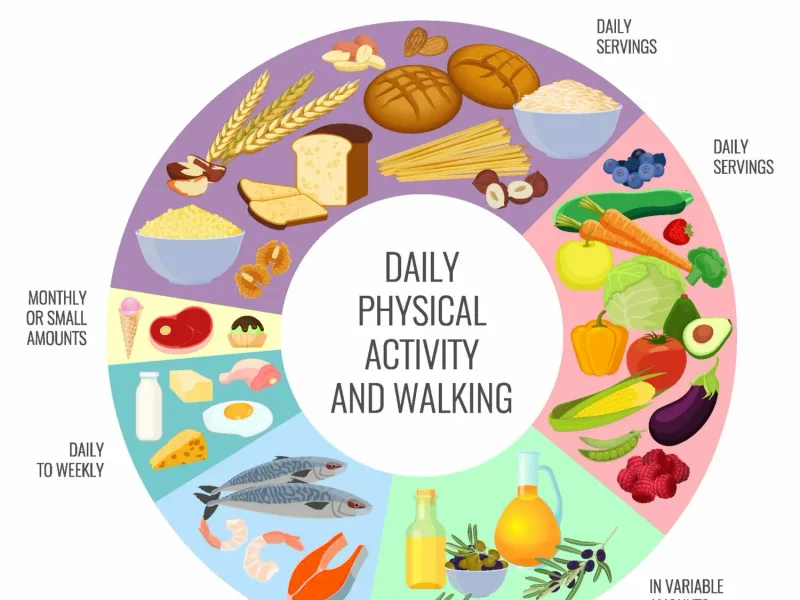
- Nutrition: A balanced, easily digestible diet helps in recovery. Frequent small meals are often better tolerated than large ones. Focus on bland foods.
- Fever Management: Paracetamol is generally recommended for fever control. Aspirin should be avoided due to the risk of Reye's syndrome in children and adolescents.
Living with the discomfort of typhoid is genuinely hard, but consistent supportive care can significantly ease the recovery process.
When to Seek Specialist Care
While primary healthcare centres and general physicians in Simdega manage most typhoid cases, certain situations warrant referral to specialists. Complicated typhoid, characterized by intestinal perforation, severe bleeding, or neurological complications (like encephalopathy), requires immediate hospitalisation and often surgical intervention.
What's the bottom line here? Prompt recognition of danger signs is life-saving.
You'll notice that complications can arise even with seemingly adequate approach if resistance is high or if care is delayed. Specialists, such as infectious disease experts or critical care physicians, are equipped to manage these severe scenarios.
Here's where it gets interesting.
Referral is also considered for people with underlying health conditions that might complicate intervention or recovery.
Preventing Typhoid: A Community Effort
Prevention is undeniably the most impactful strategy against typhoid fever. Safe drinking water and proper sanitation are fundamental. What most people miss: the link between hygiene practices and disease spread is direct and considerable.
Key Prevention Measures:
- Hand Hygiene: Frequent and thorough handwashing with soap and clean water, especially before eating and after using the toilet, is critical.
- Food Safety: Consume safely prepared food. Avoid raw or undercooked foods, especially in areas where typhoid is prevalent. Ensure food vendors adhere to hygiene standards.
- Water Quality: Drink boiled or treated water. Bottled water can be a safe alternative if its source is reliable.
- Vaccination: Typhoid vaccines are available and recommended for individuals travelling to or living in high-likelihood areas. While not 100% reliable, they offer a notable layer of protection. The WHO recommends vaccination for children over two years old and travellers.
As per the World Health Organization (WHO), improved sanitation and access to safe water can reduce typhoid incidence dramatically. In India, initiatives like the Swachh Bharat Abhiyan aim to bolster these crucial public health infrastructure elements.
Navigating Typhoid care in Rural Settings
Rural areas like Simdega often face unique challenges in healthcare access. Limited availability of diagnostic facilities and specialized medical personnel can impact timely and appropriate therapy.
What should you actually do? Build awareness within the community about warning signs and the importance of seeking care early at the nearest health facility.
Empowering local health workers with training and resources is vital. Telemedicine initiatives, supported by institutions like AIIMS, could potentially bridge some gaps, connecting rural individuals with specialists remotely.
Most people overlook this completely.
We have seen how mobile diagnostic units can also assist in reaching underserved populations. Think about it this way: a multi-pronged approach is necessary to strengthen healthcare delivery.
Challenges in Simdega:
- Limited access to advanced diagnostic tools.
- Potential shortages of specific antibiotics due to supply chain issues.
- Lower awareness levels regarding preventative measures in some pockets.
Despite these hurdles, consistent efforts by healthcare providers and community engagement can significantly improve typhoid outcomes. The resilience of the people in these regions is remarkable.
Key Takeaways
- Typhoid fever requires prompt diagnosis and appropriate antibiotic therapy, guided by local resistance patterns.
- Supportive care, including hydration and nutrition, is essential for recovery.
- Preventative measures like hand hygiene, safe food/water practices, and vaccination are crucial.
- Complicated cases necessitate specialist intervention and hospitalisation.
- Community awareness and improved sanitation are vital for long-term typhoid control in areas like Simdega.
Always consult a qualified physician before making medical decisions.
Frequently Asked Questions
Can I continue my regular diet while taking typhoid medication?
Focus on a bland, easily digestible diet. Avoid spicy, oily, or heavy foods that can strain your digestive system. Hydration remains critical throughout your intervention period.
How long does it take to recover from typhoid fever?
With appropriate antibiotic approach and supportive care, most individuals start feeling better within a few days to a week. However, full recovery can take several weeks, and it's important to complete the prescribed course of medication.
Is typhoid curable?
Yes, typhoid fever is generally curable with timely and correct antibiotic approach. Early diagnosis and adherence to the full intervention plan significantly optimise the chances of a complete recovery and prevent complications.
What are the long-term effects of typhoid fever?
While most people recover fully, some may experience prolonged fatigue or gastrointestinal issues. In rare cases, complications like intestinal perforation or chronic carrier status can occur if not treated effectively.