Understanding Enteric Fever: A Detailed Review
Enteric fever, commonly known as typhoid, persists as a substantial public well-being issue across numerous Indian regions, such as Supaul. The bacterial infection, which Salmonella Typhi causes, typically disseminates via tainted food and unsafe drinking supplies. Identifying its indicators and comprehending the various therapeutic approaches available become essential for swift recuperation and avoiding adverse outcomes. Individuals often encounter scenarios where a prolonged elevation in body temperature prompts apprehension; consequently, clinicians in regions where the illness is prevalent frequently consider this condition early in their diagnostic assessments.
Salmonella Typhi, the pathogenic bacterium, flourishes in settings characterized by inadequate sanitation and compromised potable supplies, rendering localities such as this especially vulnerable. The World Health Organization (WHO) consistently underscores the critical need for resilient public well-being infrastructure to counter these types of diseases transmitted via water. Should medical intervention not be both timely and suitable, the infection may progress to serious medical conditions, thereby emphasizing the imperative to grasp its proper handling.
Manifestations and Diagnosis in Supaul
Early identification of enteric fever is paramount for effective management. Symptom onset typically occurs 1-3 weeks following exposure to the bacteria.
4-40°C). This sustained elevation in temperature is a defining characteristic.
- Severe head discomfort
- General tiredness and diminished strength
- Soreness in muscles
- Reduced appetite
- Either constipation or loose stools (particularly observed in pediatric patients)
- Discomfort in the abdomen
- A rash (referred to as rose spots) – less frequent but quite distinctive
It becomes apparent that initial symptoms can resemble other common febrile illnesses, thus making an accurate diagnosis absolutely vital. In Supaul, as in other territories, medical practitioners rely on a blend of clinical assessment and laboratory examinations. To confirm the presence of Salmonella Typhi, blood tests like the Widal test or, with greater reliability, blood cultures are utilized. Specific antigen tests and stool cultures can also assist in the diagnostic process. The Indian Council of Medical Research (ICMR) furnishes guidelines for identifying enteric fever, stressing the necessity for laboratory confirmation.
What is the true severity of this problem? If left unaddressed, enteric fever can advance to grave complications.
Among these potential issues are intestinal perforation (a rupture in the gut lining), internal hemorrhaging, and even inflammation of the cardiac muscle (myocarditis). Consequently, seeking professional medical attention promptly upon noticing persistent indicators is non-negotiable.
Management Strategies for Enteric Fever in Supaul
The fundamental approach to managing enteric fever centers on antibiotic administration. The specific antimicrobial agent chosen hinges on factors such as the severity of the sickness, the individual's age, and critically, regional patterns of antimicrobial resistance.
Medical professionals in Supaul are proficient in selecting the most fitting and efficacious antimicrobial regimen.
Antimicrobial Therapy
Historically, compounds such as chloramphenicol were extensively employed. Nevertheless, due to escalating resistance, newer classes of antimicrobial agents are now favored. These frequently encompass fluoroquinolones (for instance, ciprofloxacin), cephalosporins (like ceftriaxone), or azithromycin.
The duration of antibiotic administration typically spans from 7 to 14 days, though this can fluctuate. What many individuals overlook is the absolute necessity of completing the entire course of prescribed antibiotics, even if warning signs show rapid improvement. Discontinuing medication prematurely can result in a relapse and contribute to antimicrobial resistance, an intensifying global challenge highlighted by the WHO.
It sounds simple. It rarely is.
For severe manifestations or when oral medication is not feasible, intravenous (IV) antibiotics may be administered. This method ensures swifter delivery of the medication into the bloodstream, proving especially beneficial for individuals experiencing emesis or dehydration.
Specialists at institutions such as AIIMS often customize therapeutic regimens based on comprehensive patient histories and diagnostic outcomes.
Supportive Care
Beyond antibiotics, supportive measures play a crucial role in recuperation. This aspect focuses on symptom management and preventing fluid loss. Key elements include:
- Rest: Sufficient rest allows the body to channel its energy towards combating the pathogen.
- Hydration: Consuming ample fluids is paramount. Oral rehydration solutions (ORS), readily available in Supaul pharmacies, are excellent for replenishing lost fluids and electrolytes. Clean drinking supplies, clear broths, and fruit beverages (diluted if required) also contribute.
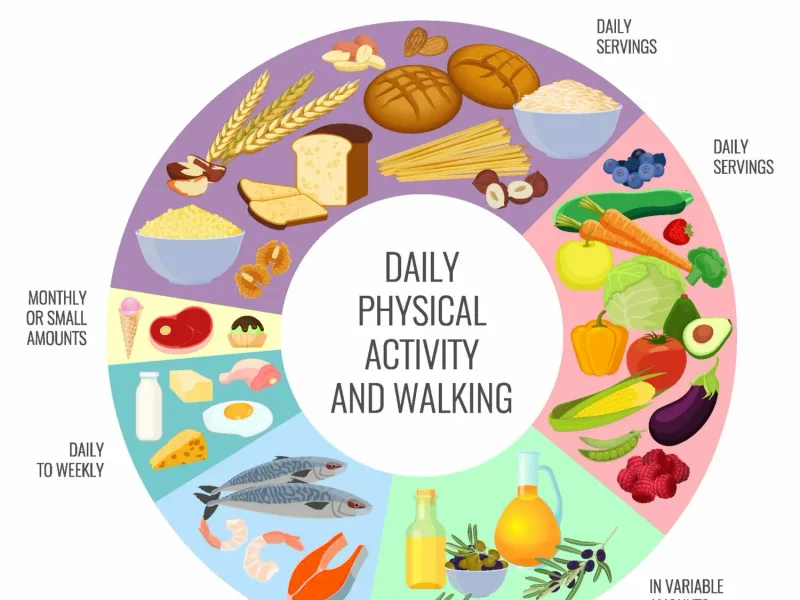
- Nutrition: A well-balanced diet aids in recovery. Easily digestible provisions are advised, especially during the acute phase. Consider soft rice, thoroughly cooked dal, fermented milk products, and boiled greens. Avoiding pungent, fatty, or fibrous foods can prevent gastrointestinal upset.
In practical terms, this entails prioritizing repose and ensuring consistent fluid intake, perhaps by sipping ORS every 15-20 minutes if feeling profoundly unwell. Appropriate nourishment helps rebuild vitality, enabling the body to combat the illness more robustly.
Managing Complications
In instances where adverse events arise, such as intestinal perforation or severe fluid depletion, hospital admission becomes essential. Critical care may be required for acutely ill sufferers.
Surgical intervention might be necessary for perforation. Clinicians closely monitor individuals for any indicators of worsening issue, ensuring a rapid response to emergent situations.
Preventing Enteric Fever in Supaul
Prevention invariably outweighs cure. Public well-being initiatives within Supaul and across India concentrate on enhancing sanitation and access to safe potable sources. Immunization also constitutes a key preventive strategy.
Immunization
Vaccines for enteric fever are accessible and recommended for persons journeying to or residing in regions with an elevated risk of the illness. Two primary forms exist: injectable vaccines and oral vaccines.
Recovery is rarely linear.
While these significantly diminish the likelihood of contracting the concern, they do not confer 100% protection. Therefore, maintaining sound hygiene practices remains imperative even post-vaccination.
Hygiene Practices
Adopting straightforward yet proven hygiene protocols can dramatically reduce the probability of acquiring enteric fever:
- Handwashing: Wash hands meticulously with soap and clean supplies before consuming food, after using the lavatory, and subsequent to handling potentially contaminated items. This is arguably the single most impactful preventive measure.
- Safe Drinking Sources: Consume only boiled or purified supplies. Bottled options from reputable vendors offer a safer alternative when traveling or if the quality of tap supplies is uncertain. Eschew ice manufactured from untreated sources.
- Food Safety: Eat provisions that are freshly prepared and served hot. Avoid raw fruits and vegetables unless you have personally peeled them. Exercise caution with street vendor offerings; select those who uphold good hygiene standards.
- Sanitation: Proper disposal of human waste is critical to avert contamination of water sources. Supporting community endeavors to enhance sanitation infrastructure is vital.
It is important to know that even a minor lapse in hygiene, such as using contaminated water to brush one's teeth, can be sufficient to contract the infection.
Recuperation and Long-Term Well-being
Recovering from enteric fever requires time. Even after the elevated temperature subsides and antibiotic therapy concludes, some individuals may experience lingering tiredness and diminished strength for several weeks. It is crucial to gradually resume normal activities and dietary habits.
Medical practitioners often recommend a follow-up consultation to ensure complete recovery and to rule out any persistent infection. For those affected, living with the after-effects of a severe illness like this is genuinely challenging.
Patience and consistent self-care are essential during this phase. Strengthening the body through nutritious food and adequate rest will help regain energy levels.
Does this situation resonate? Many individuals experience a gradual return to their customary selves, but it necessitates a conscious effort to rebuild stamina. Expert guidance ensures that the recovery process is smooth and that long-term well-being is prioritized.
Recovery is rarely linear.
Conclusion: Collaborative Efforts for Well-being in Supaul
Enteric fever is a serious yet manageable situation. impactful management in Supaul hinges on prompt diagnosis, appropriate antibiotic therapy, robust supportive care, and critically, preventive actions. Cooperation among healthcare providers, public well-being officials, and the community is vital to control and ultimately eliminate this illness.
We frequently observe individuals who have benefited immensely from understanding their problem and actively participating in their medical plan. By remaining informed and practicing sound hygiene, people can safeguard themselves and their families.
Always remember, your well-being is your most precious asset, and taking proactive measures is consistently the optimal approach.
Frequently Asked Questions
What is the primary management for enteric fever?
The primary management for enteric fever involves a course of antibiotics prescribed by a physician. Supportive care, encompassing sufficient hydration and nutrition, is also crucial for recuperation.
How long does it take to recover from enteric fever?
Recuperation typically spans several weeks. While manifestations may ameliorate within days of commencing antibiotics, full recovery, including the restoration of energy, can take longer. Always complete the entire antibiotic course as advised.
That's the part worth remembering.
Can enteric fever be prevented?
Yes, enteric fever can be prevented through immunization and by practicing good hygiene. This includes frequent handwashing, consuming safe potable sources, and eating properly cooked provisions.
When should an individual consult a doctor for suspected enteric fever?
An individual should consult a doctor immediately if experiencing a high body temperature, severe head discomfort, abdominal pain, or other signs suggestive of this illness, especially if they have been in a region where the situation is prevalent.
Always consult a qualified physician before making medical decisions.