Understanding Vitamin B2 and Cancer Risk
We often encounter questions about how specific vitamins impact our health, especially concerning serious conditions like cancer. One nutrient that has garnered scientific interest is Vitamin B2, also known as Riboflavin.
Its role in cellular processes makes understanding its connection to cancer chance crucial for many individuals. What's the bottom line here?
Riboflavin is a water-soluble vitamin vital for energy production, cellular function, and antioxidant defence. It acts as a precursor to two major coenzymes: flavin adenine dinucleotide (FAD) and flavin mononucleotide (FMN).
These coenzymes are essential for hundreds of enzymatic reactions within the body, including those involved in metabolism and DNA repair.
Living with the constant concern of cancer is genuinely hard. Research into nutritional factors, like Vitamin B2, offers potential avenues for understanding and perhaps mitigating risks. So what does that mean for you?
The Crucial Role of Riboflavin in Cellular Health
Riboflavin's functions extend beyond basic metabolism. It is central to in maintaining the integrity of our DNA.
Through its coenzymes, FAD and FMN, Vitamin B2 supports enzymes that help repair DNA damage caused by environmental toxins and metabolic byproducts. This DNA repair mechanism is a vital defence against the mutations that can lead to cancer development.
It sounds simple. It rarely is.
Additionally, Riboflavin is involved in the body's antioxidant system. It helps regenerate other antioxidants, such as glutathione, which protect cells from oxidative stress. Oxidative stress, an imbalance between free radicals and antioxidants, is a known contributor to chronic diseases, including cancer.
Vitamin B2 and Cancer: What Does Research Show?
The link between Vitamin B2 and cancer chance is complex and not entirely straightforward. While its functions suggest a protective role, direct evidence from large-scale human studies is still evolving. However, several lines of research provide important insights.
Observational Studies and Cancer Incidence
Some observational studies have explored the association between dietary intake or blood levels of Riboflavin and the incidence of certain cancers. For instance, research has looked into its potential impact on oral, esophageal, and stomach cancers.
In many cases, higher Riboflavin intake has been associated with a reduced danger of these specific cancers, particularly in populations with lower baseline Riboflavin levels.
For example, a study published in the *Journal of the National Cancer Institute* (though an older study, it highlights early research) suggested a potential inverse relationship between Riboflavin intake and oral cancer chance in certain groups. Worth knowing: these studies often rely on self-reported dietary intake, which can have limitations.
Here's where it gets interesting.
Mechanism of Action: Antioxidant and DNA Repair Pathways
From a mechanistic perspective, Riboflavin’s role as a supporter of antioxidant enzymes and DNA repair pathways is vital. By helping to neutralise harmful free radicals and mend DNA damage, it theoretically reduces the cellular environment conducive to cancer initiation and progression.
This is a key area where experts believe its protective effects might manifest.
The Indian Council of Medical Research (ICMR) emphasizes the importance of micronutrients in preventing chronic diseases. While specific B2-cancer links are researched globally, understanding the baseline nutritional status of the Indian population is crucial.
For example, studies on Indian diets sometimes reveal lower intakes of certain micronutrients, making Riboflavin's role even more pertinent.
Riboflavin Supplementation and Cancer Treatment
Beyond prevention, research has also examined Vitamin B2's role in cancer therapy. Some studies explore whether Riboflavin supplementation can aid mitigate the side effects of chemotherapy or radiation.
For instance, FAD and FMN are involved in drug metabolism, and their availability might influence how the body processes chemotherapy agents. This is an area of active investigation, with results often varying depending on the specific cancer type and therapy regimen.
Most people overlook this completely.
What most people miss: the body's ability to use Riboflavin can be influenced by genetics and other nutritional factors. This means that the impact of supplementation might not be uniform across all individuals.
Factors Influencing Riboflavin Levels and Cancer danger
Several factors can influence an individual's Riboflavin status and, consequently, their potential cancer danger. These include:
- Dietary Intake: Foods rich in Riboflavin include dairy products, eggs, lean meats, green leafy vegetables, and fortified cereals. In India, common sources include milk, curd, paneer, eggs, and certain dals.
- Absorption and Metabolism: Conditions affecting the digestive system can impair nutrient absorption. Genetic variations can also influence how efficiently the body processes Riboflavin.
- Age: Nutritional needs can change with age. Older adults may require more attention to their micronutrient intake.
- Alcohol Consumption: Excessive alcohol intake can interfere with Riboflavin absorption and metabolism.
In real-world terms, dietary patterns play a significant role. A balanced diet, rich in whole foods, is generally recommended for optimal nutrient intake and overall health. India's diverse culinary landscape offers many opportunities to incorporate Riboflavin-rich foods naturally.
Specific Cancers and Vitamin B2 Research
Research has explored the Vitamin B2-cancer connection across various cancer types:
Oral Cancer
Some studies, particularly in regions with high rates of oral cancer linked to tobacco and betel nut chewing, have investigated Riboflavin's role. Deficiency has been observed in some patients with oral precancerous lesions. Supplementation, in some small trials, has been explored to see if it helps reverse these changes or reduce progression.
Esophageal Cancer
Similar to oral cancer, esophageal cancer research has sometimes pointed to potential benefits of adequate Riboflavin intake, especially in populations with limited dietary diversity.
Breast Cancer
The evidence linking Vitamin B2 directly to breast cancer possibility is less clear. While it supports general cellular health, specific studies haven't established a strong, consistent protective effect. Research continues, but this remains an area needing more investigation.
Most people overlook this completely.
Prostate Cancer
Some epidemiological studies have examined Riboflavin and prostate cancer, but findings are not conclusive. More research is needed to understand any potential link.
The Importance of a Balanced Diet
While Vitamin B2 shows promise in its cellular functions related to cancer prevention, it's crucial to remember that it's just one piece of a larger puzzle. Relying solely on one nutrient is rarely effective.
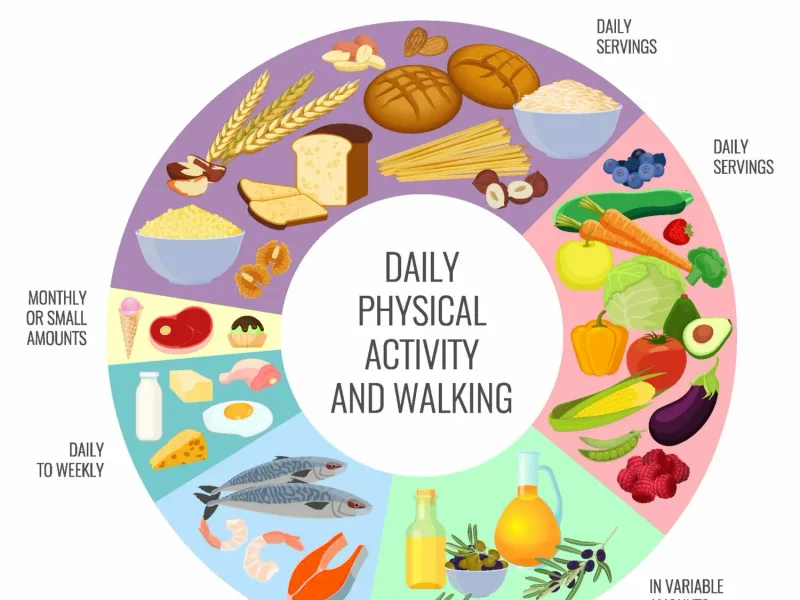
A diet rich in a variety of fruits, vegetables, whole grains, and lean proteins provides a spectrum of vitamins, minerals, and antioxidants that work synergistically to support health.
The World Health Organization (WHO) guidelines consistently advocate for a balanced diet and healthy lifestyle as cornerstones of disease prevention. This includes maintaining a healthy weight, engaging in regular physical activity, and avoiding tobacco and excessive alcohol.
In India, traditional diets often include nutrient-dense foods. Focusing on incorporating a wide array of these foods can benefit ensure adequate intake of Riboflavin and other vital micronutrients. For instance, a simple meal of dal, roti, sabzi (vegetable dish), and curd can provide a good mix of nutrients.
Potential Risks and Side Effects of High Riboflavin Intake
Riboflavin is a water-soluble vitamin, meaning excess amounts are typically excreted in the urine. Therefore, toxicity from high Riboflavin intake, either from food or standard supplements, is rare. The body usually only absorbs what it needs.
That's the part worth remembering.
However, extremely high doses (often far beyond recommended daily allowances) might cause temporary side effects like bright yellow urine or, in very rare cases, mild digestive upset. It's essential to stick to recommended dosages unless advised otherwise by a healthcare professional.
What's the bottom line here? The focus should always be on obtaining nutrients from whole foods as the primary strategy, supplemented only when necessary and under guidance.
Consulting Healthcare Professionals
If you are concerned about your Vitamin B2 intake or its potential role in your health, especially regarding cancer danger, consulting a healthcare provider is vital. They can assess your individual needs, dietary habits, and medical history. This personalized approach ensures you receive the most accurate and beneficial advice.
Specialists can benefit interpret the latest research and guide you on appropriate dietary choices or supplementation. They recognise that individual health is unique.
Key Takeaways
- Vitamin B2 (Riboflavin) supports crucial cellular functions, including energy production, DNA repair, and antioxidant defence, which are theoretically linked to cancer prevention.
- Observational studies suggest a potential inverse relationship between adequate Riboflavin intake and the danger of certain cancers, like oral and esophageal cancer, particularly in deficient populations.
- Research is ongoing regarding Vitamin B2's role in mitigating chemotherapy side effects and its direct impact on various cancer types like breast and prostate cancer.
- A balanced diet rich in Riboflavin sources (dairy, eggs, leafy greens, fortified foods) is key, alongside other healthy lifestyle factors for overall cancer danger reduction.
- High-dose Riboflavin intake is generally considered safe due to its water-soluble nature, with excess amounts excreted by the body.
Frequently Asked Questions
Can I eat rice if I have diabetes?
Yes, people with diabetes can eat rice, but portion control and the type of rice are crucial. Opting for brown rice or other whole grains over white rice is often recommended due to higher fiber content, which helps manage blood sugar levels more effectively.
What are the main sources of Vitamin B2 in an Indian diet?
Key sources of Vitamin B2 in India include dairy products like milk, curd, and paneer, as well as eggs, lean meats, and certain green leafy vegetables. Fortified cereals and whole grains also contribute to intake.
And yet, so many people miss it.
How much Vitamin B2 do I need daily?
The recommended daily intake of Riboflavin varies by age and sex. For adult men, it's typically around 1.3 mg/day, and for adult women, around 1.1 mg/day, according to guidelines from institutions like the National Institutes of Health (NIH) in the US, which are often referenced globally. Pregnant and breastfeeding women have higher needs.
Is Vitamin B2 deficiency prevalent?
While severe deficiency is less prevalent in developed nations, mild deficiency can occur, especially in individuals with poor dietary habits, alcoholism, or certain medical conditions affecting nutrient absorption. In India, assessing local dietary patterns helps know prevalence.