Wheat Germ Oil: Golden Source for Well-being
Meena, 45, a homemaker from Jaipur, noticed her skin becoming increasingly dry and dull, especially after the humid monsoon season. Her hair, once thick and lustrous, felt brittle and prone to breakage.
She had tried numerous cosmetic products, but nothing seemed to offer lasting relief. Her neighbour, recalling a conversation with her doctor, suggested exploring the benefits of wheat germ oil, a readily available remedy often overlooked in the pursuit of quick fixes.
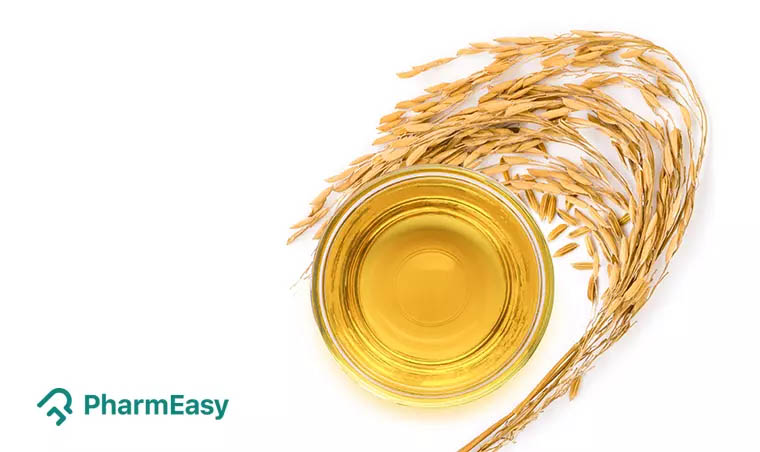
Wheat germ oil, extracted from the germ of the wheat kernel—the most nutrient-dense part of the grain—is a powerhouse of vitamins, minerals, and antioxidants. It's a golden, viscous liquid that has been used for centuries in traditional medicine and skincare. Its rich nutritional profile makes it a valuable addition to both internal and external wellness regimens.
For instance, just one tablespoon (about 15 ml) of wheat germ oil provides a significant amount of essential nutrients. It's rich in Vitamin E, a potent antioxidant, and also contains B vitamins, minerals like zinc and magnesium, and beneficial fats such as omega-3 and omega-6 compounds.
Here's where it gets interesting.
Understanding Wheat Germ Oil: A Nutritional Deep Dive
Wheat germ oil is particularly celebrated for its exceptionally high Vitamin E content. Vitamin E is a fat-soluble nutrient that acts as a powerful antioxidant, protecting your cells from damage caused by free radicals.
Free radicals are unstable molecules that can contribute to chronic diseases and aging. In fact, a single tablespoon of wheat germ oil can provide over 100% of the recommended daily intake of Vitamin E for adults, according to some estimates.
Beyond Vitamin E, the oil is a source of other vital nutrients:
- Vitamin A: Important for vision, cellular function, and skin well-being.
- B Vitamins (B1, B2, B3, B6): Crucial for energy metabolism and nerve function.
- Minerals: Including zinc (essential for cellular defense and wound healing), selenium (another antioxidant), and magnesium (involved in over 300 bodily processes).
- Essential Fatty Acids: Linoleic acid (an omega-6 compound) and alpha-linolenic acid (an omega-3 compound) are vital for maintaining cell membranes and reducing inflammation.
Practically speaking, this dense nutritional profile is what underpins the oil's wide-ranging therapeutic effects.
The Multifarious Benefits of Wheat Germ Oil
The benefits of wheat germ oil extend across various aspects of well-being, from enhancing skin and hair vitality to supporting cardiovascular and overall wellness.
Skin Well-being: A Natural Moisturizer and Repair Agent
Wheat germ oil is a boon for the skin. Its high Vitamin E content helps combat oxidative stress, a major contributor to premature aging.
Think about it this way: Vitamin E acts like a shield, protecting your skin cells from the damaging effects of UV radiation and pollution. This can help reduce the appearance of fine lines, wrinkles, and age spots.
On top of that,, wheat germ oil is an excellent emollient. Its rich texture moisturizes the skin deeply, making it particularly beneficial for dry, flaky, or eczema-prone skin. Many Indian women, accustomed to sitting on the floor for extended periods or during festivals, find that this oil helps soothe and protect the skin on their legs and hands. It aids in improving skin elasticity and can even support fade scars and stretch marks. Studies published in journals like The Lancet have highlighted the role of antioxidants in skin rejuvenation.
Hair Care: Nourishing Strands from Root to Tip
For hair, wheat germ oil is a true elixir. The fatty acids and vitamins it contains nourish the scalp and hair follicles, promoting healthier hair growth. It can benefit strengthen hair shafts, reducing breakage and split ends. Regular application of wheat germ oil can impart a natural shine and softness to dull, lifeless hair.
Here's where it gets interesting.
But why does this happen? The linoleic acid present in the oil helps maintain the scalp's natural barrier function, preventing dryness and irritation. It also helps combat dandruff and can soothe an itchy scalp.
Over time, this can lead to visibly thicker and more voluminous hair. The Indian Council of Medical Research (ICMR) has supported research into available remedies for hair loss, and wheat germ oil is often cited.
Cardiovascular Well-being: Supporting a Healthy Heart
The omega-3 and omega-6 fatty acids in wheat germ oil play a crucial role in maintaining cardiovascular well-being. These essential fats can enable lower LDL (bad) cholesterol levels and raise HDL (good) cholesterol levels.
According to the World Health Organization (WHO), maintaining a healthy cholesterol balance is key to preventing heart disease, which remains a notable health concern globally, including in India.
That alone changes everything.
What's more,, the antioxidant properties of Vitamin E aid protect blood vessels from damage and reduce inflammation, further supporting heart function. Incorporating wheat germ oil into your diet can be a proactive step towards a healthier heart.
Cellular Defense Support: A Direct Boost
The combination of Vitamin E, zinc, and selenium in wheat germ oil makes it a potent supporter of cellular defense. Vitamin E is known to enhance the function of cellular defense cells, while zinc and selenium are critical for cellular response. A robust cellular defense system is your body's best defence against infections and illnesses.
In many cases, individuals seeking to bolster their direct defenses turn to supplements like wheat germ oil, especially during seasonal changes common in India, like the transition from the monsoon to winter. Research from institutions like the All India Institute of Medical Sciences (AIIMS) often explores the impact of micronutrients on cellular defense function.
Other Potential Well-being Benefits
Wheat germ oil's benefits don't stop there. Its antioxidant and anti-inflammatory properties may offer protection against certain chronic diseases.
Some research suggests it could play a role in managing blood sugar levels, which is particularly relevant given that over 101 million Indians have diabetes (ICMR, 2023). It may also aid in hormone balance and reproductive well-being due to its Vitamin E content.
Here's where it gets interesting.
How to Use Wheat Germ Oil
Wheat germ oil can be incorporated into your routine in several ways:
Topical Application for Skin and Hair
For skin, apply a small amount of pure wheat germ oil directly to the affected area or mix it with your regular moisturizer. It's excellent for massage, especially for dry patches or areas prone to stretch marks.
For hair, massage the oil into your scalp and through the lengths of your hair. Leave it on for at least 30 minutes (or overnight for a deep conditioning treatment) before washing it out.
Internal Consumption
Wheat germ oil can be taken orally as a supplement. The typical dosage ranges from 1 to 3 tablespoons per day. It can be taken on its own or added to salad dressings, smoothies, or yogurt. However, always start with a smaller dose to see how your body reacts.
So what does that mean for you? It means you have a versatile available product that can address multiple well-being and beauty concerns.
Potential Side Effects and Precautions
While wheat germ oil is generally safe for most people when used as directed, some precautions are necessary.
Allergic Reactions
Individuals with a wheat allergy or gluten sensitivity should avoid wheat germ oil, as it is derived from wheat. Always perform a patch test on your skin before widespread topical application to check for any adverse reactions.
Digestive Issues
When taken internally, high doses of wheat germ oil may cause digestive upset, such as nausea, diarrhoea, or stomach cramps. Starting with a low dose and gradually increasing it can benefit mitigate these effects.
Recovery is rarely linear.
Drug Interactions
Wheat germ oil is rich in Vitamin E, which can have blood-thinning properties. If you are taking anticoagulant medications (blood thinners) like warfarin, consult your doctor before using wheat germ oil, as it might increase the risk of bleeding.
The IDF (International Diabetes Federation) also advises caution with supplements that might affect blood sugar levels.
Pregnancy and Breastfeeding
Pregnant and breastfeeding women should consult their healthcare provider before using wheat germ oil, especially for internal consumption, to ensure safety for both mother and child.
Key Takeaways
- Wheat germ oil is rich in Vitamin E, essential fatty acids, and minerals, offering numerous well-being and beauty benefits.
- It serves as an excellent available moisturizer for skin and a nourishing management for hair, promoting growth and reducing breakage.
- The oil supports cardiovascular well-being by helping to manage cholesterol levels and protect blood vessels.
- Its antioxidant and nutrient profile can bolster cellular defense and potentially aid in managing chronic conditions.
- Always consult a qualified physician before making any medical decisions.