

Emergency & Help
24/7 Emergency & General Advisory
🚨 24/7 Medical Emergency
Non-Emergency Advisory
10:00 AM – 6:00 PM, Mon–Sat
For appointments & general queries.
24/7 Emergency & General Advisory
🚨 24/7 Medical Emergency
Non-Emergency Advisory
10:00 AM – 6:00 PM, Mon–Sat
For appointments & general queries.
Find expert doctors in Bokaro for creatinine issues. Learn about kidney health, causes, and treatments for elevated creatinine.
Creatinine is a waste product generated from normal muscle activity. Your kidneys filter this substance from your blood. When kidney function declines, creatinine levels in the blood rise.
This elevation is a crucial signal that your kidneys might not be working optimally. In India, kidney diseases are a growing concern, with estimates suggesting over 100 million people are affected by various renal conditions. Recognizing the signs and seeking timely medical advice is vital.
Living with potential kidney issues is genuinely hard, and understanding your lab results can feel overwhelming. We often see people confused by their creatinine levels. What's the bottom line here? Elevated creatinine doesn't automatically mean severe kidney failure, but it demands professional evaluation.
Creatinine levels serve as a vital marker for assessing kidney health. Physicians use this value, along with others like blood urea nitrogen (BUN) and estimated glomerular filtration rate (eGFR), to gauge how well your kidneys are filtering waste.
A sudden spike or persistently high creatinine can indicate acute kidney injury (AKI) or chronic kidney disease (CKD).
The Indian Council of Medical Research (ICMR) highlights the rising burden of non-communicable diseases, including kidney ailments. Early detection through regular check-ups, especially for individuals with risk factors like diabetes and hypertension, can significantly alter the disease's progression.
And yet, so many people miss it.
You'll notice that a creatinine test is a standard part of many routine health screenings.
Several factors can lead to increased creatinine levels. Understanding these causes helps in pinpointing the underlying issue.
This is the most common reason. When the glomeruli (tiny filtering units in the kidneys) are damaged, they cannot efficiently remove creatinine from the blood. Causes include:
Diabetes (Diabetic Nephropathy): India has the highest number of diabetics globally, with an estimated 77 million adults (IDF, 2023). High blood sugar damages kidney blood vessels over time.
Hypertension (High Blood Pressure): Uncontrolled hypertension, affecting millions in India, can also damage kidney structures.
Glomerulonephritis: Inflammation of the kidney's filtering units.
Polycystic Kidney Disease (PKD): An inherited disorder causing cysts in the kidneys.
Infections: Severe kidney infections (pyelonephritis) can impair function.
Excessive muscle breakdown, known as rhabdomyolysis, releases large amounts of creatine into the bloodstream, which is then converted to creatinine. This can result from:
Intense Exercise: Strenuous physical activity without adequate hydration.
Trauma or Injury: Significant muscle damage.
Certain Medications: Some drugs can cause muscle toxicity.
Dehydration: A lack of sufficient fluids can temporarily concentrate blood creatinine levels. Certain medications, like some antibiotics (e.g., trimethoprim) and NSAIDs, can also affect kidney function or creatinine secretion. High protein intake can also slightly elevate creatinine, though this is usually less meaningful than kidney issues.
If your routine blood test reveals a high creatinine level, it's crucial not to panic but to seek professional medical advice promptly. In Bokaro, several experienced nephrologists and general physicians specialize in diagnosing and managing kidney-related problems. You should consult a doctor if you experience any of the following symptoms alongside a high creatinine reading:
Swelling in your legs, ankles, or feet (edema).
Changes in urination frequency or volume.
Persistent fatigue or weakness.
Nausea or vomiting.
Shortness of breath.
Itching or dry skin.
Muscle cramps.
Worth knowing: Early intervention is key to managing kidney disease effectively. Delaying consultation can lead to more complex health challenges.
Bokaro, like other major cities in India, has a growing number of healthcare facilities and medical professionals. When searching for a doctor specializing in creatinine issues, look for a nephrologist. These are physicians who have undergone specialized training in diagnosing and treating kidney diseases.
You can find qualified nephrologists in Bokaro through several avenues:
Hospital Referrals: Major hospitals in Bokaro often have dedicated nephrology departments. Ask your primary care physician for a referral.
Online Healthcare Platforms: Websites like Doctar allow you to search for specialists based on location, specialty, and patient reviews.
Word-of-Mouth: Recommendations from friends, family, or trusted acquaintances who have had positive experiences can be valuable.
Medical Directories: Local medical directories might list specialists in the Bokaro region.
When selecting a doctor, consider their experience, qualifications, and the hospital or clinic they are affiliated with. Reading patient testimonials can offer insights into their approach and effectiveness.
The numbers don't lie.
Once you consult a physician in Bokaro, they will likely perform a thorough evaluation. This typically includes:
The doctor will ask about your warning signs, family history of kidney disease, medications, diet, and lifestyle. A physical exam helps assess for signs like swelling or high blood pressure.
Besides creatinine, other key blood tests include:
Blood Urea Nitrogen (BUN): Measures the amount of urea nitrogen in your blood, another indicator of kidney function.
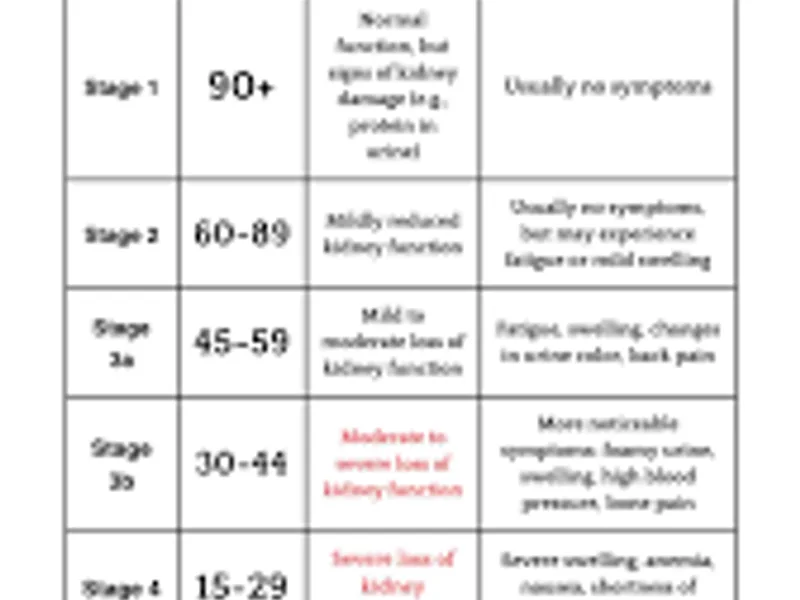
Estimated Glomerular Filtration Rate (eGFR): Calculated using your serum creatinine level, age, sex, and sometimes race, this estimates how much kidney function you have. An eGFR below 60 ml/min/1.73m² for three months or more indicates kidney damage.
Electrolytes: To check levels of sodium, potassium, and chloride, which kidneys help regulate.
Complete Blood Count (CBC): To check for anemia, which can be linked to kidney disease.
Urinalysis can detect protein (proteinuria) or blood (hematuria) in the urine, which are signs of kidney damage. A 24-hour urine collection might be ordered to measure creatinine clearance more accurately.
Ultrasound or CT scans of the kidneys can benefit visualize their size, shape, and detect abnormalities like tumors or obstructions.
In some cases, a small sample of kidney tissue is taken for microscopic examination to determine the exact cause of kidney damage. This is a more invasive procedure.
Here's the thing — a combination of these tests provides a clear picture of your kidney health and the extent of any creatinine-related problem.
The primary goal of management is to address the underlying cause of the elevated creatinine and preserve remaining kidney function. Therapy varies significantly based on the diagnosis.
If diabetes or hypertension is the cause, strict management is crucial. This involves:
Blood Sugar Control: Maintaining target blood glucose levels as advised by your physician.
Blood Pressure Control: Using medications and lifestyle changes to keep blood pressure within the recommended range (often below 130/80 mmHg, as per AHA guidelines).
These changes can significantly support kidney health:
Dietary Adjustments: Reducing sodium intake, limiting phosphorus and potassium if advised by a doctor, and sometimes moderating protein intake. A registered dietitian can create a personalized plan.
Hydration: Drinking adequate water is essential, especially if dehydration is a contributing factor.
Exercise: Regular, moderate physical activity helps overall health but avoid overexertion if advised against it.
Smoking Cessation: Smoking damages blood vessels and worsens kidney disease.
Depending on the cause, doctors may prescribe medications to:
Control Blood Pressure: ACE inhibitors and ARBs are often preferred as they can also offer kidney protection.
Manage Diabetes: Medications to improve insulin sensitivity or production.
Reduce Proteinuria: Specific drugs can support lower protein leakage into the urine.
Treat Infections: Antibiotics for kidney infections.
For advanced stages of Chronic Kidney Disease (CKD) where kidney function is severely compromised (e.g., eGFR < 15 ml/min/1.73m²), dialysis or a kidney transplant may become necessary. Dialysis is a process that artificially filters waste products from the blood. A transplant involves surgically placing a healthy kidney from a donor into the patient's body. These are life-sustaining treatments.
In real-world terms, the approach to approach is highly individualized. What works for one person may not be suitable for another. Collaboration between the patient and their medical team is paramount.
Preventing kidney damage is always better than treating established disease. Simple steps can make a big difference.
Maintain a Healthy Weight: Obesity is a possibility factor for diabetes and hypertension.
Eat a Balanced Diet: Rich in fruits, vegetables, and whole grains, low in processed foods and excess salt.
Stay Hydrated: Drink plenty of water throughout the day.
Manage Chronic Conditions: Keep diabetes and high blood pressure under control.
Avoid Overuse of NSAIDs: Non-steroidal anti-inflammatory drugs can harm kidneys if used excessively.
Regular Health Check-ups: Especially considerable if you have danger factors.
So what does that mean for you? Taking proactive steps towards a healthier lifestyle significantly reduces your possibility of developing kidney problems and helps maintain normal creatinine levels.
Elevated creatinine levels are a key indicator of potential kidney dysfunction.
Diabetes and hypertension are major contributors to kidney disease in India, affecting millions.
Early diagnosis and management, often involving specialists in Bokaro, are crucial for preserving kidney function.
Lifestyle changes and adherence to medical advice are vital components of kidney care.
Navigating kidney health can seem daunting, but with the right knowledge and medical support available in Bokaro, you can take control. Remember, your health journey is unique, and seeking guidance from qualified professionals is the most reliable step forward. We believe in empowering you with information to lead a healthier life.
Maintaining healthy kidney function and controlling creatinine levels requires expert medical care. In Bokaro, experienced nephrologists and urologists provide accurate diagnosis, dialysis support, and long-term kidney management.
Below is a clear, mobile-friendly list of top nephrologists in Bokaro to help you call now or book appointment for expert kidney care.
Best Doctor | Highly Recommended | Experienced | Most Trusted in Bokaro
Full Doctor Name: Dr. Pankaj Kumar
Specialization: Nephrology, Chronic Kidney Disease, Creatinine Management
Clinic/Hospital Name: Kidney Care Clinic Bokaro
Full Address: Sector 4, Near City Centre, Bokaro Steel City, Jharkhand
Mobile Number: +91 9431109876
Consultation Timing: 10:00 AM – 5:00 PM
Years of Experience: 14+ Years
Consultation Fees: ₹700 – ₹1200
Google Rating: 4.7 / 5
Total Reviews: 320+
Short Description:
Dr. Pankaj Kumar is a top rated nephrologist in Bokaro, specializing in creatinine control, dialysis care, and chronic kidney disease management.
Why Patients Choose Him:
Accurate diagnosis and monitoring
Experienced kidney specialist
High patient satisfaction
Trusted Specialist
Patient Reviews:
Rajesh Kumar: “Best doctor for kidney treatment.”
Amit Singh: “Very supportive and knowledgeable.”
Sunil Verma: “Highly recommended.”
Pooja Sharma: “Good care and proper guidance.”
Call Now / Book Appointment: Direct clinic visit available
Highly Recommended | Experienced | Trusted Specialist
Full Doctor Name: Dr. S. K. Singh
Specialization: Internal Medicine, Kidney Disorders, Hypertension & Diabetes
Clinic/Hospital Name: Medicant Hospital & Research Centre
Full Address: BIADA Housing Colony, Ritudih, Near Industrial Area, Bokaro Steel City, Jharkhand 827012
Mobile Number: +91 18008908898
Consultation Timing: 10:00 AM – 4:00 PM
Years of Experience: 18+ Years
Consultation Fees: ₹500 – ₹800
Google Rating: 4.7 / 5
Total Reviews: 1400+
Short Description:
Dr. S. K. Singh focuses on early detection and medical management of kidney problems, helping patients maintain stable creatinine levels through proper treatment and lifestyle advice.
Why Patients Choose Him:
Experienced physician
Holistic treatment approach
Trusted by many patients
Strong patient feedback
Patient Reviews:
Ravi Kumar: “Very knowledgeable doctor.”
Sunil Singh: “Good treatment and advice.”
Ankit Verma: “Highly recommended specialist.”
Call Now / Book Appointment: Available via hospital
Experienced | Highly Recommended | Trusted Specialist
Full Doctor Name: Dr. R. K. Singh
Specialization: Urology, Kidney Stones, Urinary Disorders
Clinic Name: UroCare Clinic Bokaro
Full Address: Chas Main Road, Near ITI More, Bokaro, Jharkhand
Mobile Number: +91 8210123456
Consultation Timing: 10:00 AM – 5:00 PM
Years of Experience: 15+ Years
Consultation Fees: ₹500 – ₹900
Google Rating: 4.5 / 5
Total Reviews: 200+
Short Description:
Dr. R. K. Singh offers advanced treatment for kidney stones and urinary problems, ensuring effective relief and long-term kidney health.
Why Patients Choose Him:
Specialized urologist
Effective treatment plans
Patient-friendly approach
Trusted Specialist
Patient Reviews:
Manoj Kumar: “Very effective treatment.”
Suresh Singh: “Doctor explained everything clearly.”
Pooja Sharma: “Highly recommended.”
Call Now / Book Appointment: Available at clinic
Top Rated | Most Trusted in Bokaro | Affordable Treatment
Specialization: Nephrology, Dialysis, Creatinine Management
Clinic/Hospital Name: Bokaro General Hospital
Full Address: Sector 4, Near City Park, Bokaro Steel City, Jharkhand
Mobile Number: +91 6542234567
Consultation Timing: 9:00 AM – 2:00 PM
Years of Experience: Multi-specialty team
Consultation Fees: ₹300 – ₹700
Google Rating: 4.4 / 5
Total Reviews: 600+
Short Description:
This hospital provides complete kidney care services, including dialysis, lab testing, and specialist consultation for creatinine control.
Why Patients Choose This Hospital:
Affordable treatment
Experienced doctors
Reliable facilities
Trusted healthcare center
Patient Reviews:
Anil Kumar: “Good treatment experience.”
Rajesh Singh: “Helpful staff and doctors.”
Sunil Kumar: “Recommended hospital.”
Book Appointment: Available at hospital
Yes, people with diabetes can eat rice, but moderation is key. Opt for brown rice over white rice when possible, as it has more fiber. Controlling portion sizes and balancing your meal with protein and vegetables is essential to manage blood sugar levels effectively.
It sounds simple. It rarely is.
The general recommendation is around 8 glasses (2 liters) of water per day, but individual needs vary. Staying adequately hydrated helps your kidneys flush out waste products. If you have specific kidney conditions or heart failure, your doctor might advise a different fluid intake, so always follow their guidance.
Reversibility depends heavily on the underlying cause and the stage of kidney damage. If high creatinine is due to temporary factors like dehydration or certain medications, it can be reversible.
However, for chronic kidney disease (CKD), the damage is often progressive, and the focus shifts to slowing down the disease's progression and managing manifestations rather than complete reversal.
Normal creatinine levels can vary slightly between laboratories and depend on factors like age, sex, and muscle mass. Generally, for adult males, the range is approximately 0.7 to 1.3 mg/dL, and for adult females, it's around 0.6 to 1.1 mg/dL. Your doctor will interpret your results in the context of your overall health.
Always consult a qualified physician before making medical decisions.
Visit Hospital
Near You

Check the list of medical colleges in Jharkhand 2026-27, including government, private and AIIMS institutions, MBBS seats and admission details.
August 20, 2026

MBBS NEET counselling Jharkhand 2026 is being conducted through the Jharkhand Combined Entrance Competitive Examination Board (JCECEB) for eligible NEET-UG candidates.
August 20, 2026

You can text fifty people a day and still feel completely alone. That's the frequent contact loneliness paradox, and it trips up a lot of people who assume loneliness is just about how often you talk to someone. This article looks at why frequency of contact and the actual feeling of connection are
August 10, 2026