

Emergency & Help
24/7 Emergency & General Advisory
🚨 24/7 Medical Emergency
Non-Emergency Advisory
10:00 AM – 6:00 PM, Mon–Sat
For appointments & general queries.
24/7 Emergency & General Advisory
🚨 24/7 Medical Emergency
Non-Emergency Advisory
10:00 AM – 6:00 PM, Mon–Sat
For appointments & general queries.
Stay updated with our latest healthcare news and your appointments.
Considering a kidney transplant in Bokaro? Learn about the procedure, eligibility, costs, and recovery. Expert insights for patients.
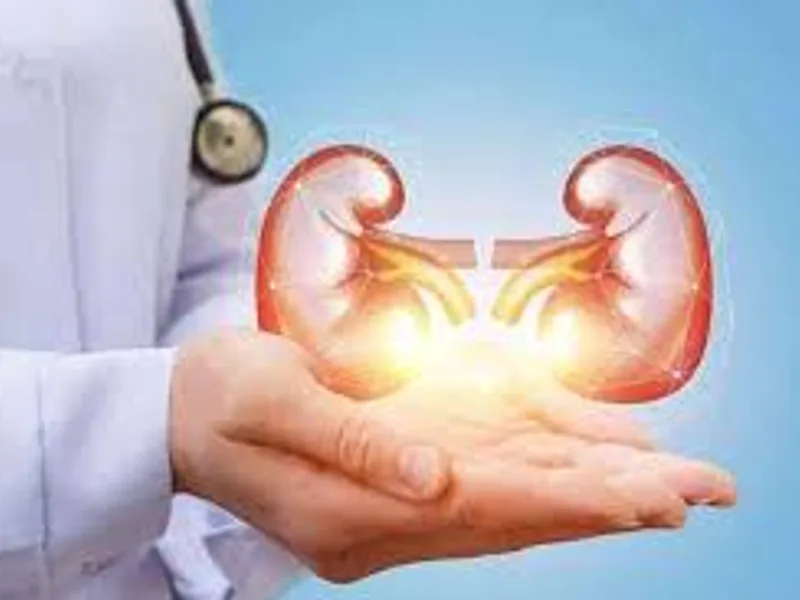
For individuals in Bokaro facing end-stage renal disease (ESRD), a kidney transplant offers a life-altering solution. This advanced surgical procedure replaces a failing kidney with a healthy one from a donor. We often see patients in Bokaro who, after exhausting other medical options, find renewed hope through transplantation.
The journey can seem daunting, but understanding the process is the first vital step towards a healthier future. This guide aims to provide clear, actionable information for those considering a kidney transplant in the Bokaro region.
Kidney failure, or ESRD, means your kidneys can no longer adequately filter waste products and excess fluid from your blood. This condition necessitates either dialysis or a kidney transplant for survival.
Dialysis, while life-sustaining, is a continuous treatment with its own set of challenges and limitations. A successful transplant, conversely, can restore much of the kidney's function, offering a better quality of life and longer life expectancy.
That's the part worth remembering.
What most people miss is that ESRD doesn't just affect physical health; it impacts emotional and financial well-being too. The burden of chronic illness can be immense.
5 lakh people are estimated to need a kidney transplant annually, yet only around 10,000 transplants are performed. This stark gap highlights the critical need for awareness and access to such life-saving procedures.
Determining eligibility for a kidney transplant involves a rigorous evaluation. Specialists assess several key factors to ensure the patient is a suitable candidate for surgery and can manage post-operative care. These include:
Overall Health: people must be healthy enough to withstand major surgery and the subsequent recovery period. Conditions like uncontrolled heart disease or active infections may preclude transplant.
Age: While there's no strict upper age limit, the patient's physiological age and overall health are considered more crucial than chronological age.
Absence of Other Major Illnesses: The presence of other severe, life-limiting illnesses like advanced cancer or severe liver disease can affect candidacy.
Psychosocial Evaluation: This assesses the patient's support system (family, friends) and their ability to adhere to the demanding post-transplant medication and lifestyle regimen. This is a crucial component, as adherence is key to long-term graft survival.
So what does that mean for you? It means a thorough medical and psychological assessment is paramount before proceeding. This ensures the best possible outcome for the patient.
Kidney transplants use organs from two primary types of donors:
A living donor is someone who voluntarily donates a kidney while they are alive. This is often a close relative (parent, sibling, spouse) but can also be an unrelated friend or even a 'goodwill' donor. Living donor transplants generally have better outcomes and shorter waiting times.
The donor must undergo extensive medical and psychological evaluations to ensure their safety and suitability. A single healthy kidney is sufficient for a person to live a normal, healthy life.
These donors are individuals who have been declared brain-dead. Their families provide consent for organ donation.
Kidneys from deceased donors are allocated based on a waiting list system, prioritizing recipients who are the best match and have the most urgent need. The waiting period for a deceased donor kidney can be significantly longer, often spanning several years.
And yet, so many people miss it.
Honestly, the decision to donate an organ, whether living or deceased, is an incredibly profound act of generosity that saves lives.
The surgical process itself is complex and requires a skilled surgical team. While specific techniques may vary slightly, the general procedure involves:
Preparation: The recipient is prepared for surgery, which includes final blood tests and imaging. The donor kidney is carefully retrieved and preserved.
Implantation: The new kidney is placed in the lower abdomen, typically to the right or left of the bladder. It is connected to the recipient's iliac artery and vein. The renal artery of the donor kidney is connected to the recipient's iliac artery, and the renal vein to the iliac vein.
Ureter Connection: The ureter (tube carrying urine) of the donor kidney is then connected to the recipient's bladder.
Native Kidneys: Usually, the recipient's original kidneys are left in place unless they are causing specific problems like infection or high blood pressure.
The surgery typically lasts between 3 to 5 hours. Post-surgery, individuals are closely monitored in an intensive care unit (ICU) before being moved to a regular ward. You'll notice that the surgical team prioritizes immediate post-operative care to manage pain and prevent complications like infection or organ rejection.
Recovery is a critical phase. It requires strict adherence to medical advice to ensure the success of the transplant. Key aspects include:
Medications: Immunosuppressant drugs are vital. They prevent the body's immune system from attacking the new kidney. These must be taken lifelong, exactly as prescribed. Missing doses can lead to rejection.
Monitoring: Regular follow-up appointments with the nephrologist and transplant team are essential. Blood tests will monitor kidney function and drug levels.
Lifestyle Adjustments: A healthy diet, regular exercise, and avoiding smoking are crucial. people are advised to avoid large crowds and individuals with infections during the initial recovery period.
Wound Care: Proper care of the surgical incision prevents infection.
Living with this is genuinely hard, especially the initial adjustment to new medications and lifestyle changes. However, with support, those affected can lead fulfilling lives.
Like any major surgery, kidney transplantation carries risks. These can include:
Rejection: The recipient's immune system may attack the new kidney. This risk is highest in the first year but can occur anytime. Regular monitoring and immunosuppressants help manage this.
Infection: Immunosuppressant drugs weaken the immune system, making individuals more susceptible to infections.
Surgical Complications: Bleeding, blood clots, or issues with the surgical connections can occur.
Side Effects of Medications: Immunosuppressants can cause side effects like high blood pressure, diabetes, or increased cholesterol.
What should you actually do? Discuss these potential risks openly with your transplant team. Understanding them allows for proactive management.
The cost of a kidney transplant can vary significantly based on the hospital, the type of donor, and the duration of hospital stay. In India, costs can range broadly.
For a living donor transplant, the expenses might include donor evaluation, surgery for both recipient and donor, hospitalization, and post-operative medications. Cadaveric transplants might have slightly lower surgical costs but involve longer waiting times.
Factors influencing the total cost include:
Hospital charges (room, nursing, OT fees)
Surgeon and anaesthetist fees
Cost of immunosuppressant drugs (a significant long-term expense)
Diagnostic tests (blood work, imaging)
Potential complications requiring extended care
Estimates suggest that a kidney transplant in India can range from ₹5 lakh to ₹15 lakh or more. It's vital to get a detailed breakdown from the hospital. Many insurance providers are now covering kidney transplants, so verifying your policy is a good step.
While Bokaro may not have numerous dedicated transplant centers, sufferers can access high-quality care in nearby major cities like Ranchi or Kolkata, which have well-established transplant programs. Leading hospitals affiliated with institutions like AIIMS (All India Institute of Medical Sciences) or other reputable medical colleges often perform these complex surgeries. When choosing a center, consider:
That alone changes everything.
The transplant team's experience and success rates.
The availability of comprehensive pre- and post-transplant care.
Patient support services and counseling.
Affordability and insurance tie-ups.
You'll notice that many those affected from Bokaro travel to larger cities for specialized care, a common practice in India for advanced medical procedures.
Life after a successful transplant is a journey of careful management and renewed vitality. individuals often report a considerable improvement in their energy levels and overall well-being. The ability to return to work, hobbies, and daily activities is a profound change.
However, it requires lifelong commitment to medication and regular medical check-ups. Early detection and management of any issues are key to long-term graft survival. India has made meaningful strides in transplant medicine, with many those affected living active lives for decades post-transplant.
Honestly, the psychological adjustment is as important as the physical one. Embracing this new phase with a positive outlook, supported by loved ones and medical professionals, is crucial for a thriving life.
A kidney transplant is a life-saving procedure for ESRD those affected, offering better quality of life than dialysis.
Eligibility is determined by overall health, psychosocial stability, and absence of other severe illnesses.
Transplants can be from living donors (often relatives) or deceased donors, with living donor transplants generally offering better outcomes.
Post-transplant care requires lifelong immunosuppressant medications and regular medical monitoring.
Costs vary, and exploring insurance options and hospital packages is essential.
Kidney transplant is a specialized procedure usually performed in advanced multi-specialty hospitals. While Bokaro offers strong pre-transplant evaluation, dialysis, and follow-up care, patients are often referred to nearby metro cities for the actual transplant surgery. Choosing the right doctor locally helps ensure proper guidance, preparation, and long-term success.
Below is a mobile-friendly, conversion-focused list of top doctors and centers in Bokaro that support kidney transplant care, evaluation, and follow-up.
Best Doctor | Highly Recommended | Experienced | Most Trusted in Bokaro
Full Doctor Name: Dr. Pankaj Kumar
Specialization: Nephrology, Kidney Failure, Transplant Evaluation & Follow-up
Clinic/Hospital Name: Kidney Care Clinic Bokaro
Full Address: Sector 4, Near City Centre, Bokaro Steel City, Jharkhand
Mobile Number: +91 9431109876
Consultation Timing: 10:00 AM – 5:00 PM
Years of Experience: 14+ Years
Consultation Fees: ₹700 – ₹1200
Google Rating: 4.7 / 5
Total Reviews: 320+
Short Description:
Dr. Pankaj Kumar is a top rated nephrologist in Bokaro, helping patients with kidney transplant evaluation, dialysis support, and post-transplant care.
Why Patients Choose Him:
Expertise in kidney failure management
Personalized treatment plans
Trusted Specialist
Strong patient satisfaction
Patient Reviews:
Rajesh Kumar: “Best doctor for kidney problems.”
Amit Singh: “Very supportive during treatment.”
Sunil Verma: “Highly recommended specialist.”
Pooja Sharma: “Clear guidance and good care.”
Call Now / Book Appointment: Direct clinic visit available
Highly Recommended | Experienced | Trusted Specialist
Full Doctor Name: Dr. S. K. Singh
Specialization: Internal Medicine, Kidney Disorders, Pre-Transplant Care
Clinic/Hospital Name: Medicant Hospital & Research Centre
Full Address: BIADA Housing Colony, Ritudih, Near Industrial Area, Bokaro Steel City, Jharkhand 827012
Mobile Number: +91 18008908898
Consultation Timing: 10:00 AM – 4:00 PM
Years of Experience: 18+ Years
Consultation Fees: ₹500 – ₹800
Google Rating: 4.7 / 5
Total Reviews: 1400+
Short Description:
Dr. S. K. Singh provides complete support for kidney transplant patients, including medical management, fitness evaluation, and long-term follow-up care.
Why Patients Choose Him:
Experienced physician
Holistic treatment approach
Trusted by many patients
High patient satisfaction
Patient Reviews:
Ravi Kumar: “Very knowledgeable doctor.”
Sunil Singh: “Good treatment and advice.”
Ankit Verma: “Highly recommended.”
Call Now / Book Appointment: Available via hospital
Top Rated | Most Trusted in Bokaro | Affordable Treatment
Full Doctor Name: Nephrology Team (Senior Consultants)
Specialization: Nephrology, Dialysis, Transplant Preparation
Clinic/Hospital Name: Bokaro General Hospital
Full Address: Sector 4, Near City Park, Bokaro Steel City, Jharkhand
Mobile Number: +91 6542234567
Consultation Timing: 9:00 AM – 2:00 PM
Years of Experience: 15+ Years (Team Experience)
Consultation Fees: ₹300 – ₹700
Google Rating: 4.4 / 5
Total Reviews: 600+
Short Description:
This hospital provides dialysis, transplant evaluation, and referral support to advanced centers, ensuring smooth treatment planning for kidney transplant patients.
Why Patients Choose This Hospital:
Affordable care
Experienced team
Reliable facilities
Trusted hospital
Patient Reviews:
Anil Kumar: “Good treatment experience.”
Rajesh Singh: “Helpful staff and doctors.”
Sunil Kumar: “Recommended hospital.”
Book Appointment: Available at hospital
Experienced | Highly Recommended | Trusted Specialist
Full Doctor Name: Dr. R. K. Singh
Specialization: Urology, Kidney Surgery, Pre-Transplant Assessment
Clinic Name: UroCare Clinic Bokaro
Full Address: Chas Main Road, Near ITI More, Bokaro, Jharkhand
Mobile Number: +91 8210123456
Consultation Timing: 10:00 AM – 5:00 PM
Years of Experience: 15+ Years
Consultation Fees: ₹500 – ₹900
Google Rating: 4.5 / 5
Total Reviews: 200+
Short Description:
Dr. R. K. Singh assists patients with kidney-related surgical evaluation and transplant preparation, ensuring safe and effective treatment planning.
Why Patients Choose Him:
Skilled urologist
Clear treatment guidance
Patient-friendly consultation
Trusted Specialist
Patient Reviews:
Manoj Kumar: “Very effective treatment.”
Suresh Singh: “Doctor explained everything clearly.”
Pooja Sharma: “Highly recommended.”
Call Now / Book Appointment: Available at clinic
Managing diabetes with kidney disease requires careful carbohydrate control. While rice can be part of the diet, portion sizes and type of rice matter. Opt for brown rice over white for more fiber, and consult your doctor or a dietitian for personalized advice.
It sounds simple. It rarely is.
Initial recovery in the hospital typically lasts one to two weeks. Full recovery, allowing return to most normal activities, can take three to six months. However, this varies greatly depending on individual health and adherence to post-operative care.
The success rates for kidney transplants are high, especially in the first year. With proper care and adherence to medication, many transplanted kidneys function for 10-20 years or longer. Rejection and complications are managed proactively by transplant teams.
While Bokaro may have nephrology services, major kidney transplant surgeries are typically performed at larger, specialized centers in cities like Ranchi, Dhanbad, or further afield in Kolkata or Delhi, which have dedicated transplant teams and facilities.
Always consult a qualified physician before making medical decisions.
Visit Hospital
Near You

Check the list of medical colleges in Jharkhand 2026-27, including government, private and AIIMS institutions, MBBS seats and admission details.
August 20, 2026

MBBS NEET counselling Jharkhand 2026 is being conducted through the Jharkhand Combined Entrance Competitive Examination Board (JCECEB) for eligible NEET-UG candidates.
August 20, 2026

You can text fifty people a day and still feel completely alone. That's the frequent contact loneliness paradox, and it trips up a lot of people who assume loneliness is just about how often you talk to someone. This article looks at why frequency of contact and the actual feeling of connection are
August 10, 2026