

Emergency & Help
24/7 Emergency & General Advisory
🚨 24/7 Medical Emergency
Non-Emergency Advisory
10:00 AM – 6:00 PM, Mon–Sat
For appointments & general queries.
24/7 Emergency & General Advisory
🚨 24/7 Medical Emergency
Non-Emergency Advisory
10:00 AM – 6:00 PM, Mon–Sat
For appointments & general queries.
Explore nipple injections: learn about the procedure, potential risks, side effects, costs, and what to expect. Understand the cosmetic nature and safety considerations.
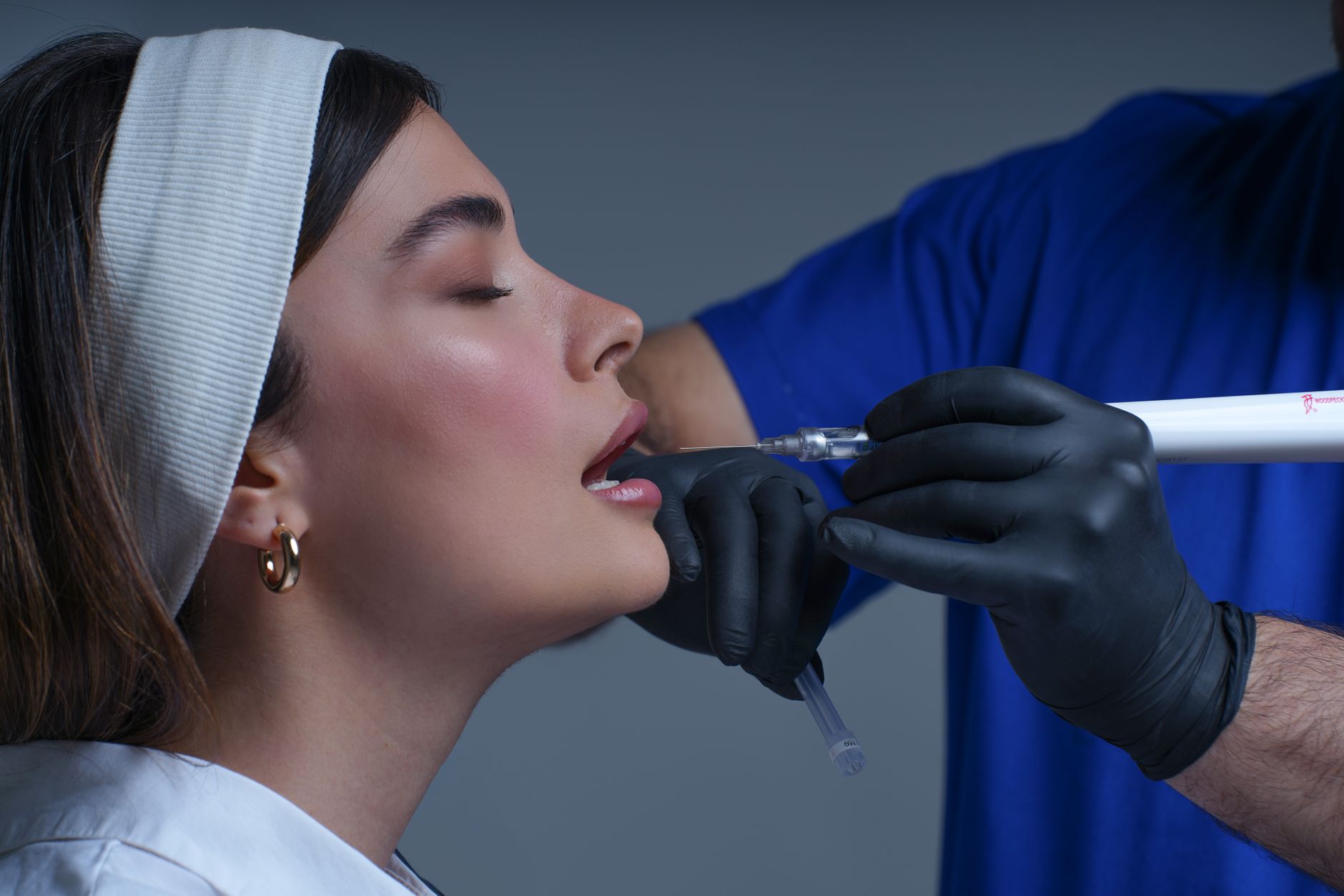
In recent years, the aesthetic landscape has expanded to include a variety of cosmetic procedures aimed at enhancing specific body parts. Among these, nipple injections have emerged as a popular choice, particularly since 2018 when a more defined, 'pointy' nipple look gained traction among celebrities. This trend has led to nipple injections being nicknamed ‘designer nipples.’ But what exactly are they, are they safe, and what can you expect if you consider this procedure? This article aims to provide a clear, practical understanding for Indian readers, covering everything from the procedure itself to potential risks and costs.
Nipple injections involve injecting a gel-like dermal filler, most commonly hyaluronic acid, into or around the nipple. Hyaluronic acid is a substance naturally found in the human body, known for its ability to retain moisture and add volume. The primary goal of this procedure is to enhance the shape and projection of the nipples, making them appear more prominent, 'pointy,' or 'perky.' Some individuals opt for this procedure to make their nipples more visible through clothing, especially if they have smaller or inverted nipples. Additionally, nipple fillers can be a valuable tool in breast reconstruction surgery, helping to restore a more natural and defined nipple appearance that may have been flattened by the surgery.
Before the injection, a medical professional will carefully measure your nipples and discuss your desired aesthetic outcome. This consultation helps determine the precise amount of filler needed for each nipple, as requirements can vary.
The procedure itself takes place in a medical office and typically involves the following steps:
You will notice the results immediately after the procedure. Most people can return home the same day and resume their normal daily activities, with the exception of strenuous exercise, which is usually advised against for a short period.
It is important to understand that nipple injections are purely cosmetic. They do not offer any health benefits. The procedure enhances the size and shape of the nipples for aesthetic purposes only. Having more projected nipples does not contribute to breast health or overall well-being.
While generally considered safe when performed by a qualified medical professional, nipple injections, like any medical procedure, carry potential risks and side effects. Understanding these is vital before making a decision.
The likelihood of experiencing these complications can depend on various factors, including your general health, any pre-existing medical conditions, and the skill of the practitioner.
Certain individuals should avoid nipple injections. If you are pregnant or currently breastfeeding, it is strongly advised to refrain from this procedure. The filler could potentially enter the milk ducts, leading to inflammation, infection, or damage, which could affect your ability to breastfeed or harm your baby.
Furthermore, long-term data on how nipple injections might affect future breastfeeding capabilities is still limited. It's also worth noting that the FDA has not specifically approved hyaluronic acid fillers for use in the nipple area; therefore, its use here is considered 'off-label.' This means it hasn't been extensively studied for this particular application.
Consider Priya, a 30-year-old woman who has always felt self-conscious about her small nipples, especially when wearing certain types of clothing. She read about nipple injections online and was intrigued by the possibility of achieving a more pronounced look. She decided to consult with a qualified plastic surgeon to understand the procedure, discuss her concerns, and weigh the potential benefits against the risks before making an informed decision.
The cost of nipple injections can vary significantly. According to the American Society of Plastic Surgeons, the average cost of one syringe of hyaluronic acid filler is around $652. Since often one syringe is used for each nipple, the total cost for both could be approximately $1,304. However, this is an average, and your actual expenses might be higher or lower. Factors influencing the price include:
It is essential to have a detailed discussion about pricing with your healthcare provider during your consultation.
If you are considering nipple injections, your first step should always be to consult with a qualified and experienced medical professional, such as a plastic surgeon or a dermatologist. They can assess your individual suitability for the procedure, discuss your goals, explain the risks and benefits in detail, and answer all your questions. If you experience any unusual pain, swelling, redness, or signs of infection after the procedure, seek immediate medical attention.
No, nipple injections are not permanent. The effects of hyaluronic acid fillers typically last for at least 6 to 9 months. After this period, the filler gradually gets absorbed by the body, and the nipples will return to their original state. Repeat treatments may be needed to maintain the desired look.
There is a potential risk that nipple injections could affect breastfeeding, especially if the filler is accidentally injected into the milk ducts. While long-term data is limited, it is a concern that should be discussed thoroughly with your doctor. If breastfeeding is a priority, you may want to reconsider this cosmetic procedure.
The procedure can cause some discomfort, but it is generally managed well with a local anesthetic mixed into the filler or applied topically. Most patients report the pain level as mild to moderate.
For those seeking a more projected nipple appearance without injections, alternatives might include specialized bras or pasties that create the illusion of projection. In some cases, surgical options might be considered for more permanent changes, although these come with different risks and recovery times.
Visit Hospital
Near You

Check the list of medical colleges in Jharkhand 2026-27, including government, private and AIIMS institutions, MBBS seats and admission details.
August 20, 2026

MBBS NEET counselling Jharkhand 2026 is being conducted through the Jharkhand Combined Entrance Competitive Examination Board (JCECEB) for eligible NEET-UG candidates.
August 20, 2026

You can text fifty people a day and still feel completely alone. That's the frequent contact loneliness paradox, and it trips up a lot of people who assume loneliness is just about how often you talk to someone. This article looks at why frequency of contact and the actual feeling of connection are
August 10, 2026