

Emergency & Help
24/7 Emergency & General Advisory
🚨 24/7 Medical Emergency
Non-Emergency Advisory
10:00 AM – 6:00 PM, Mon–Sat
For appointments & general queries.
24/7 Emergency & General Advisory
🚨 24/7 Medical Emergency
Non-Emergency Advisory
10:00 AM – 6:00 PM, Mon–Sat
For appointments & general queries.
Learn all about the spider bites piercing, from the procedure and pain levels to aftercare and potential risks. Get practical advice for Indian readers considering this lip piercing.
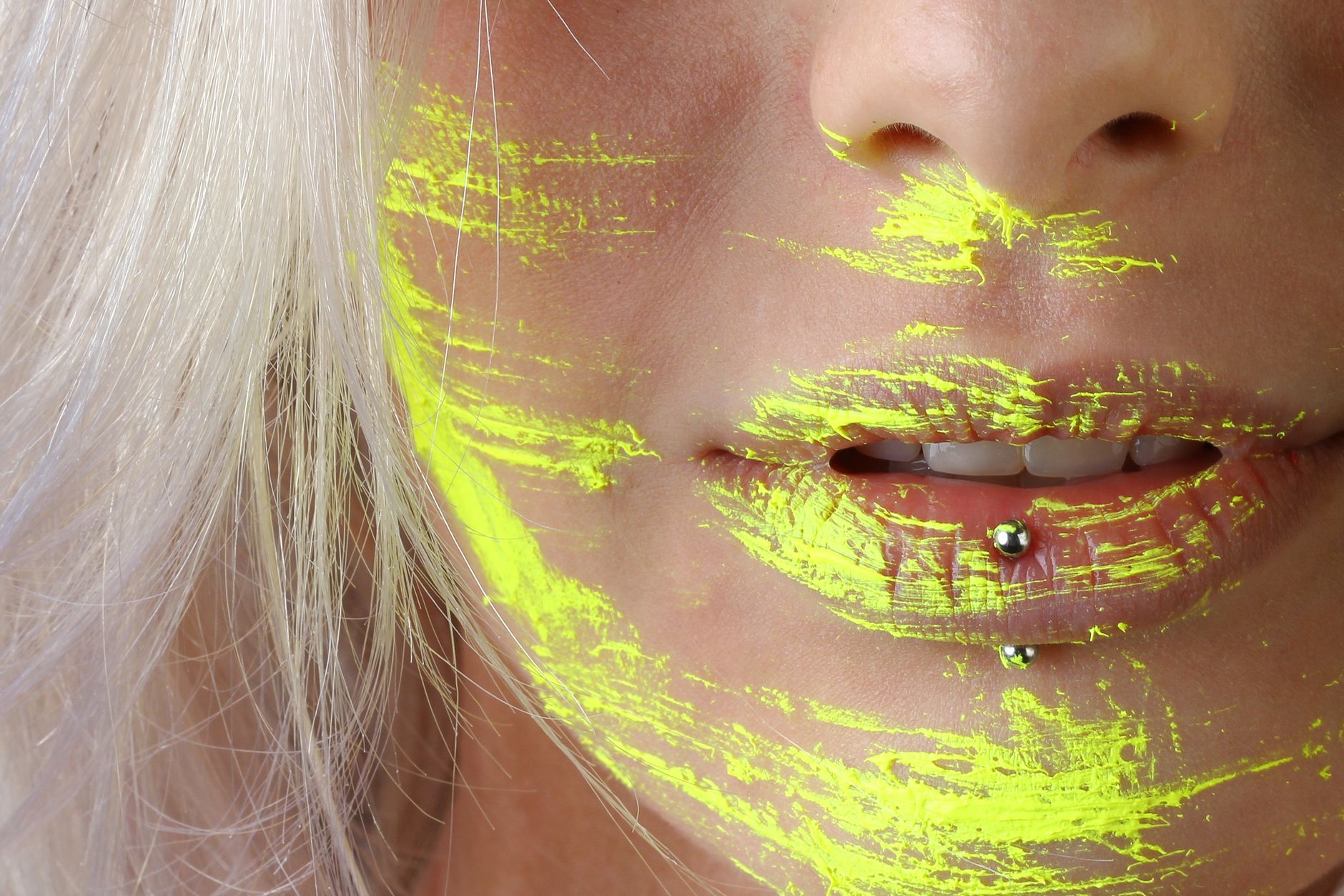
The spider bites piercing is a popular choice for those looking to add a bit of edge to their look. This piercing involves placing two small studs on either side of your lower lip, close to the corners of your mouth. The close proximity of these piercings creates the illusion of a spider's bite mark, hence the name. If you're considering this piercing, it's essential to understand the procedure, the potential pain, aftercare, and possible complications. This guide will walk you through everything you need to know, presented in a clear and practical way for our Indian readers.
Imagine two tiny dots, perfectly symmetrical, adorning the corners of your lower lip. That's the essence of the spider bites piercing. It's a double piercing, with each stud placed about half an inch apart on opposite sides of the lower lip. It's a relatively straightforward piercing, often chosen for its aesthetic appeal and quick healing time. It's also quite affordable, making it accessible for many.
When you visit a reputable piercer for your spider bites, the process is generally quite sterile and efficient. Here’s a breakdown of what happens:
The entire process is quite quick, usually taking only a few minutes for both piercings.
Pain is subjective, and everyone experiences it differently. For a spider bites piercing, most people describe the sensation as a sharp, brief sting or pinch, similar to receiving a flu shot. Some find it a bit more intense than an earlobe piercing but less so than a nostril piercing. A local anaesthetic is not typically used for this type of piercing, so you'll feel the sensation as it happens. It’s important to stay calm and breathe through the process. A good piercer will work quickly and efficiently to minimize discomfort.
Ritu was excited to get her spider bites piercing before a friend's party. She'd heard it was a bit painful but figured she could handle it. As the needle went through, she felt a sharp pinch, followed by a throbbing sensation. She closed her eyes for a moment, took a deep breath, and reminded herself it would be over soon. Once the studs were in, the immediate sharp pain subsided, leaving a dull ache and a bit of tenderness.
While generally safe when performed by a professional, like any piercing, spider bites can have potential side effects:
Before you commit to a spider bites piercing, consider these points:
Proper aftercare is non-negotiable for a smooth healing process. Follow these guidelines diligently:
The healing time for spider bites piercings can vary, but typically takes about 1 to 2 months to heal completely. During this period, you might experience some swelling, tenderness, and mild discharge (which is normal, usually clear or whitish). It's crucial to be patient and follow the aftercare routine consistently. Avoid changing the jewelry until the piercing is fully healed, as premature changes can cause irritation and prolong healing.
While minor discomfort is normal, some signs indicate a potential problem that requires professional medical advice:
If you notice any of these symptoms, don't hesitate to consult a doctor or your piercer immediately. Early intervention can prevent more serious complications.
The cost of a spider bites piercing can vary based on your location and the piercer's expertise. Generally, you can expect to pay anywhere from ₹1,500 to ₹4,000 (approximately $20 to $50 USD) for the piercing service itself, not including the cost of jewelry. More exclusive studios or highly sought-after piercers might charge more. Always clarify the total cost, including jewelry, before proceeding.
It’s best to eat soft foods and cut them into small pieces initially to avoid bumping or pulling on the new piercings. Avoid spicy, acidic, or very hot foods that might irritate the area. Take care when chewing.
You can make your own sterile saline solution by dissolving 1/4 teaspoon of sea salt in a cup of warm distilled water. Ensure the water is distilled and the salt is pure sea salt without additives. Use this solution for soaking or cleaning.
If your jewelry gets caught, try to remain calm. Gently try to free it without yanking. If it's severely snagged or causes significant pain or bleeding, seek help from your piercer or a medical professional.
While both are piercings, nipple rings are designed for a different anatomy. It's best to use jewelry specifically designed for lip piercings, such as labret studs or small captive bead rings, recommended by your piercer.
Visit Hospital
Near You

Check the list of medical colleges in Jharkhand 2026-27, including government, private and AIIMS institutions, MBBS seats and admission details.
August 20, 2026

MBBS NEET counselling Jharkhand 2026 is being conducted through the Jharkhand Combined Entrance Competitive Examination Board (JCECEB) for eligible NEET-UG candidates.
August 20, 2026

You can text fifty people a day and still feel completely alone. That's the frequent contact loneliness paradox, and it trips up a lot of people who assume loneliness is just about how often you talk to someone. This article looks at why frequency of contact and the actual feeling of connection are
August 10, 2026