

Emergency & Help
24/7 Emergency & General Advisory
🚨 24/7 Medical Emergency
Non-Emergency Advisory
10:00 AM – 6:00 PM, Mon–Sat
For appointments & general queries.
24/7 Emergency & General Advisory
🚨 24/7 Medical Emergency
Non-Emergency Advisory
10:00 AM – 6:00 PM, Mon–Sat
For appointments & general queries.
Stay updated with our latest healthcare news and your appointments.
Discover effective fitness tips and strategies to seamlessly integrate exercise into your busiest days. Learn about micro-workouts, incidental exercise, smart planning, and motivation hacks to boost your health and energy without sacrificing time.

In today's fast-paced world, finding time for fitness often feels like an insurmountable challenge. Between work, family, social commitments, and daily errands, the idea of dedicating an hour or more to a gym session can seem like a luxury many simply cannot afford. However, neglecting physical activity can have significant long-term health consequences, ranging from increased risk of chronic diseases to diminished mental well-being. The good news is that you don't need to drastically overhaul your life or spend hours at the gym to reap the benefits of exercise. This comprehensive guide will show you how to seamlessly integrate effective fitness strategies into even the most packed schedules, transforming your health without sacrificing your precious time.
Before diving into the 'how,' let's briefly reiterate the 'why.' Regular physical activity is not just about looking good; it's a cornerstone of overall health and longevity. The benefits extend far beyond weight management:
Understanding these profound benefits can serve as a powerful motivator to prioritize even short bursts of activity.
The biggest hurdle to fitness is often the perception that it requires a large, uninterrupted block of time. This is a myth. The truth is, consistency and cumulative effort often trump isolated, lengthy sessions. Let's explore strategies to dismantle the "no time" excuse.
Micro-workouts are short, intense bursts of exercise, typically lasting 5-15 minutes, performed multiple times a day. These add up, providing significant health benefits.
The key is to make these non-negotiable appointments with yourself.
This involves incorporating physical activity into your daily routine without specifically "working out." It's about finding opportunities to move more.
Starting your day with physical activity can set a positive tone and ensure you get your movement in before other demands arise.
Your lunch break isn't just for eating. It's an excellent opportunity for physical activity.
While intense workouts before bed aren't recommended for everyone, light activity can be beneficial.
Integrating fitness into a busy schedule requires more than just knowing what exercises to do; it requires a strategic approach to planning, motivation, and consistency.
Treat your workouts like any other important appointment.
Don't aim for perfection; aim for progress. Start small and gradually increase duration or intensity.
Motivation ebbs and flows. Having strategies to reignite it is crucial.
It's better to do something consistently, even if it's low intensity, than to attempt sporadic, overly ambitious workouts that lead to burnout or injury. Regular, moderate activity builds habits and creates lasting change.
Modern technology offers a wealth of tools to support your fitness journey.
Exercising with others can provide a significant boost in motivation and accountability.
Here are some effective workout styles that are perfect for busy individuals:
HIIT involves short bursts of intense anaerobic exercise followed by brief recovery periods. It's incredibly time-efficient and highly effective for cardiovascular health and fat burning.
Building muscle is crucial for metabolism, bone health, and functional strength. Bodyweight exercises require no equipment and can be done anywhere.
If feasible, walking or cycling to work or part of the way can be a fantastic way to integrate exercise without adding extra time to your day.
These practices focus on strength, flexibility, balance, and mental well-being. Many short online classes are available.
Exercise is only one part of the equation. Proper nutrition and hydration are essential to support your energy levels and recovery.
Water is critical for all bodily functions, including muscle performance, temperature regulation, and nutrient transport. Carry a reusable water bottle and sip throughout the day.
While integrating fitness into your routine is generally safe and highly recommended, there are times when consulting a healthcare professional is advisable:
A: Even 10-15 minutes of moderate-intensity exercise a day can provide significant health benefits. The key is consistency. The World Health Organization recommends at least 150 minutes of moderate-intensity aerobic activity or 75 minutes of vigorous-intensity aerobic activity per week, but even small amounts of activity are better than none.
A: Don't beat yourself up! Missing a workout occasionally is part of life. Instead of trying to "make it up" with an overly long or intense session (which can lead to injury or burnout), simply resume your regular schedule with your next planned workout. Consistency over time is what truly matters.
A: Focus on intrinsic motivation (how exercise makes you feel) rather than just extrinsic (how it makes you look). Find activities you genuinely enjoy, set small, achievable goals, track your progress, find an accountability partner, and remind yourself of the immediate benefits like improved mood and energy.
A: Yes! While longer sessions might offer more benefits, consistent 10-15 minute bursts of moderate to vigorous activity can significantly improve cardiovascular health, strength, and overall well-being. High-intensity interval training (HIIT) is particularly effective for maximizing results in minimal time.
A: The best time to exercise is the time you can consistently stick to. For many busy individuals, morning workouts work well because they get it done before other commitments arise. However, if evenings are your only free time, that's perfectly fine. Just be mindful of intense workouts too close to bedtime if they interfere with sleep.
Fitting fitness into a busy schedule isn't about finding more time; it's about making the most of the time you have and prioritizing your health. By embracing micro-workouts, incidental exercise, and smart planning strategies, you can transform your relationship with physical activity. Remember that every small step counts, and consistency is your most powerful tool. Start small, stay persistent, and watch as these manageable fitness tips lead to significant improvements in your physical and mental health, helping you live a more vibrant and energetic life, no matter how packed your calendar might be.
Visit Hospital
Near You

Explore safe and effective skin glow treatment in Kolkata. Learn about popular procedures, benefits, costs, and skincare tips from experts.
May 20, 2026

The superfood label is a marketing construct — but that doesn't mean all the foods wearing it are frauds. Some genuinely deserve the designation based on density of nutrients and breadth of evidence; others are expensive substitutes for far cheaper alternatives. Here's the honest breakdown.
April 14, 2026
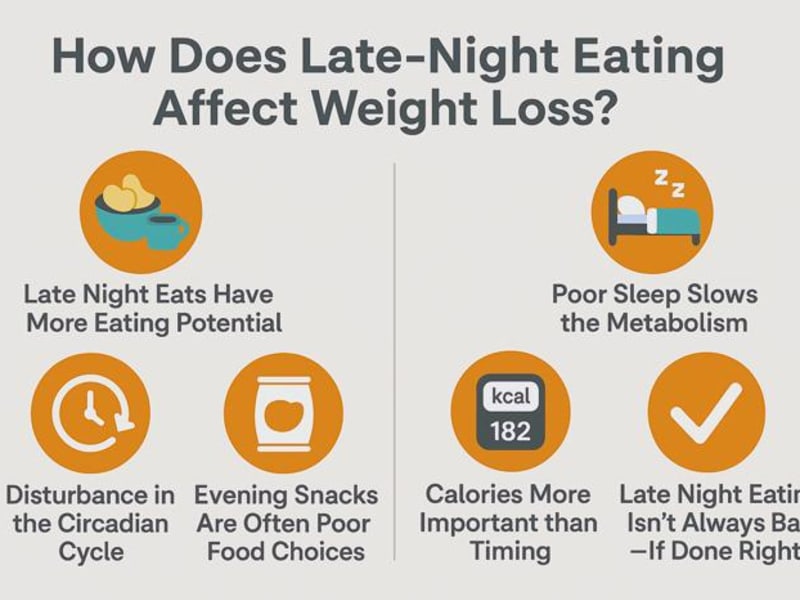
The belief that eating after 8pm automatically causes weight gain is pervasive — but the reality is more nuanced. Circadian biology, food choices, and total caloric intake all interact in ways that make the question far more interesting than a simple yes or no.
April 14, 2026