

Emergency & Help
24/7 Emergency & General Advisory
🚨 24/7 Medical Emergency
Non-Emergency Advisory
10:00 AM – 6:00 PM, Mon–Sat
For appointments & general queries.
24/7 Emergency & General Advisory
🚨 24/7 Medical Emergency
Non-Emergency Advisory
10:00 AM – 6:00 PM, Mon–Sat
For appointments & general queries.
Discover effective strategies to reduce and eliminate a double chin, including lifestyle changes, facial exercises, and medical treatments. Learn how to achieve a slimmer jawline.

A double chin, medically known as submental fat, is a common concern for many people. It refers to the layer of fat that forms beneath the chin, creating the appearance of a second chin. While it can be influenced by genetics, weight gain, and aging, there are several effective strategies you can adopt to reduce or even eliminate it. This guide explores various methods, from lifestyle changes to medical interventions, tailored for an Indian audience.
Before diving into solutions, it's essential to understand what causes a double chin. The primary factors include:
Many simple lifestyle adjustments can make a significant difference in reducing a double chin:
The most effective way to combat a double chin caused by weight gain is to lose overall body fat. Focus on a balanced diet rich in fruits, vegetables, lean proteins, and whole grains. Reduce your intake of sugary drinks, processed foods, and excessive unhealthy fats. Staying hydrated by drinking plenty of water also aids in metabolism and overall health.
While spot reduction of fat is a myth, overall body fat reduction through exercise will help. Incorporate a mix of cardiovascular exercises (like brisk walking, jogging, or cycling) and strength training into your routine. Aim for at least 150 minutes of moderate-intensity aerobic activity or 75 minutes of vigorous-intensity activity per week, along with muscle-strengthening activities at least two days a week.
Be mindful of your posture throughout the day. When sitting or standing, keep your head up and your shoulders back. Limit the time you spend looking down at your phone or computer. Try to hold your devices at eye level to reduce strain on your neck and prevent the skin from sagging.
While scientific evidence for the effectiveness of facial exercises is limited, some people find them beneficial for toning the muscles in the neck and jawline. Here are a few exercises you can try:
Perform these exercises daily for best results.
For more stubborn double chins, especially those related to genetics or significant skin laxity, medical and cosmetic treatments can be highly effective:
These procedures should only be performed by qualified and experienced medical professionals. Consult with a dermatologist or plastic surgeon to determine the best option for your specific needs.
While a double chin is often a cosmetic concern, it's advisable to consult a doctor if:
A doctor can help rule out any underlying medical conditions and guide you toward the most appropriate treatment plan. For cosmetic concerns, a consultation with a dermatologist or plastic surgeon is recommended to discuss surgical and non-surgical options.
While not all double chins can be prevented, especially those due to genetics, you can reduce your risk by:
By adopting a healthy lifestyle and being aware of your posture, you can significantly improve the appearance of your chin and neck area. For more persistent concerns, modern medical advancements offer a range of effective solutions.
This section adds practical context and preventive advice to help readers make informed healthcare decisions. It is important to verify symptoms early, consult qualified doctors, and avoid self-medication for persistent health issues.
Maintaining healthy routines, following prescribed treatment plans, and attending regular checkups can improve outcomes. If symptoms worsen or red-flag signs appear, immediate medical evaluation is recommended.
Track symptoms and duration.
Follow diagnosis and treatment from a licensed practitioner.
Review medication side effects with your doctor.
Seek urgent care for severe warning signs.
Visit Hospital
Near You

Explore safe and effective skin glow treatment in Kolkata. Learn about popular procedures, benefits, costs, and skincare tips from experts.
May 20, 2026
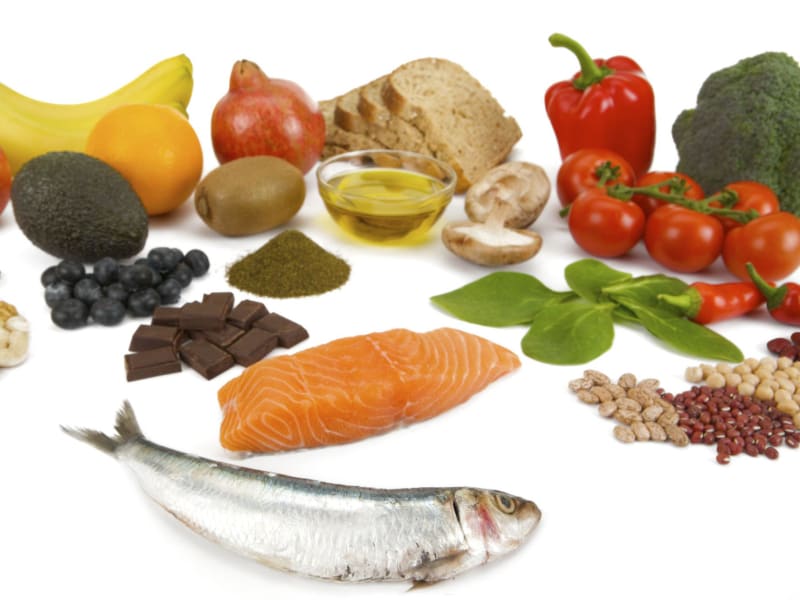
The superfood label is a marketing construct — but that doesn't mean all the foods wearing it are frauds. Some genuinely deserve the designation based on density of nutrients and breadth of evidence; others are expensive substitutes for far cheaper alternatives. Here's the honest breakdown.
April 14, 2026
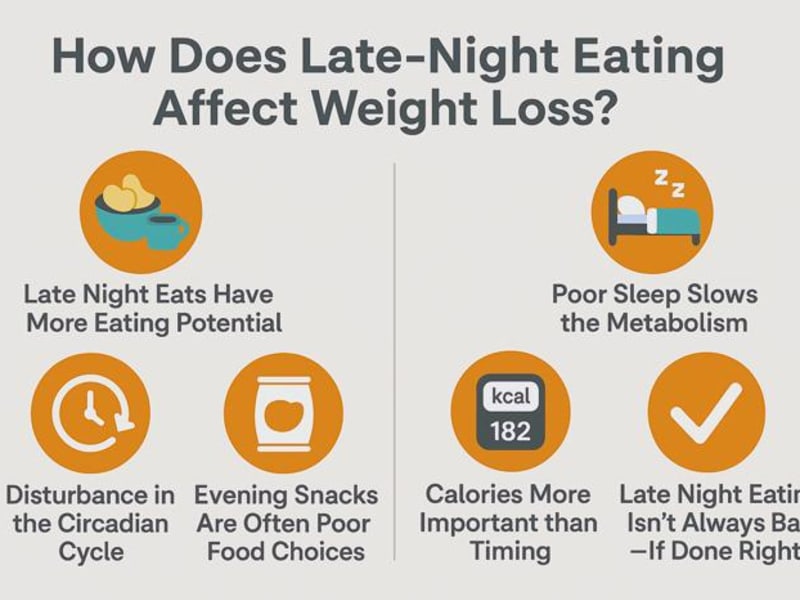
The belief that eating after 8pm automatically causes weight gain is pervasive — but the reality is more nuanced. Circadian biology, food choices, and total caloric intake all interact in ways that make the question far more interesting than a simple yes or no.
April 14, 2026