

Emergency & Help
24/7 Emergency & General Advisory
🚨 24/7 Medical Emergency
Non-Emergency Advisory
10:00 AM – 6:00 PM, Mon–Sat
For appointments & general queries.
24/7 Emergency & General Advisory
🚨 24/7 Medical Emergency
Non-Emergency Advisory
10:00 AM – 6:00 PM, Mon–Sat
For appointments & general queries.
Find out the causes of butt fat, health dangers as well as safe methods of losing excess fat through diet, exercise and lifestyle modifications.
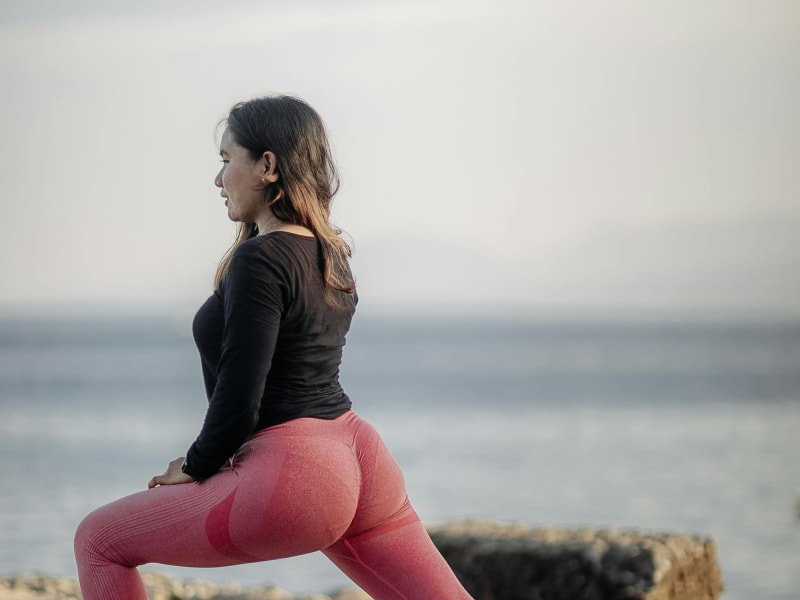
Find out the causes of butt fat, health dangers, as well as safe methods of losing excess fat through diet, exercise and lifestyle modifications.
The buttock fat is a normal body fat distribution. A lot of individuals seek methods of losing butt fat, both for health and appearance.
Although this form of fat is not usually very dangerous compared to abdominal fat, the overall body fat is important to control in order to have long-term health.
There are many factors that affect fat buildup in the buttocks, which include hormones and lifestyle habits.
Common causes include:
Genetics and body type
Hormonal conditions (particularly, oestrogen)
High-calorie diet
Sedentary lifestyle
Sedentary lifestyle
These are what dictate the location in which your body stores fat.
Not every fat in the body is bad. The fat located in the lower part of the body is said to be less dangerous than the fat found in the abdomen. Nevertheless, a large amount of fat in general can still influence health.
Less dangerous than visceral (belly) fat.
High levels may offer certain metabolic protection.
Excess body fat may lead to chronic diseases.
May impair mobility and posture.
Being healthy in terms of weight is not yet a forgotten aspect.
The 100 safe ways of reducing butt fat. It is impossible to reduce fat in a particular area (spot reduction). Buttock fat can be reduced, though, by total fat loss.
Healthy Diet: Diet is important in losing fat.
Decrease processed foods and high sugar foods
Increase protein intake
Eat fruits and vegetables in greater quantities
Control portion sizes
Regular Exercise: Exercise aids in calorie burning as well as muscle toning.
Cardio (walking, running, cycling, etc.) exercises
Lower body strength training
Consistency is important
Lifestyle Changes: The everyday routine is capable of affecting fat storage.
Stay active all day
Get enough sleep
Manage stress levels
Best Glute Area Exercises
Although you cannot go after fat loss, exercises can be used to tighten and firm the muscles.
Effective exercises include:
Squats
Lunges
Glute bridges
Step-ups
Deadlifts
These practices enhance the muscles and general fitness. Risk Factors of Excess Body Fat. There are some variables that predispose a person to accumulating excessive fat in the body.
Poor diet habits
Lack of exercise
Hormonal imbalance
Aging
Genetic predisposition
These factors can be known to aid in improved management.
Prevention Tips: Excess fat can be avoided through maintaining a healthy lifestyle.
Eat a balanced, nutritious diet.
Work out (at least 150 minutes/week)
Avoid prolonged sitting
Stay hydrated
Monitor weight regularly
Stability is essential in the long term
Buttock fat is an inherent component of body make-up and is pre-determined by genes and lifestyle. Although it is not the worst form of fat, keeping the body fat in general under control is a key health concern. Body fat can be safely reduced with the help of a balanced diet, exercise, and healthy habits. Do not want quick fixes, but rather make a sustainable change in your lifestyle.
1. Do you lose fat on the buttocks only?
No, the fat does not burn in a particular part of the body, but all over.
2. Does butt fat make one unhealthy?
It is less detrimental compared to belly fat, but excess body fat may have an impact.
3. What is the time taken to lose butt fat?
It relies on nutrition, physical activity and regularity. The outcomes are individual.
4. Do butt squats decrease butt fat?
Squats are effective in tightening muscles but not necessarily burning fat in a particular area.
Author: Doctar Team
Disclaimer: To know more, contact Doctor on Doctor.
Visit Hospital
Near You
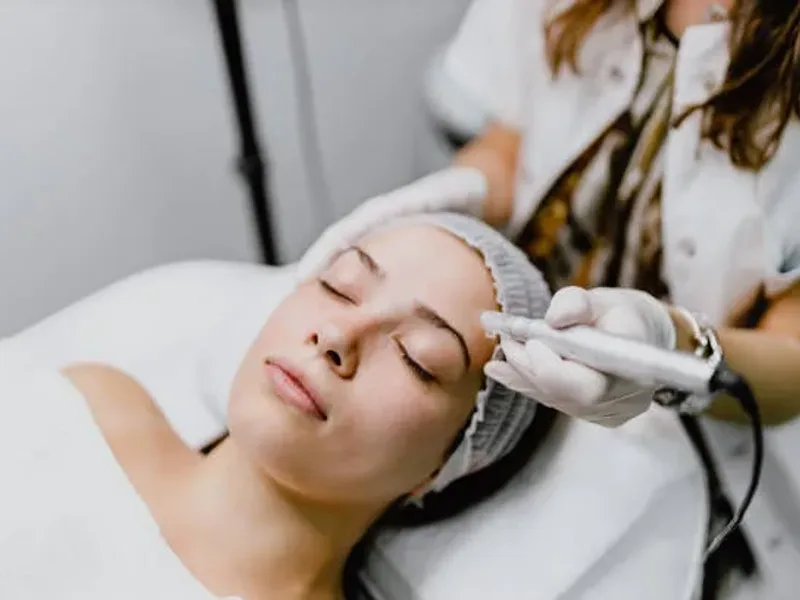
Explore safe and effective skin glow treatment in Kolkata. Learn about popular procedures, benefits, costs, and skincare tips from experts.
May 20, 2026
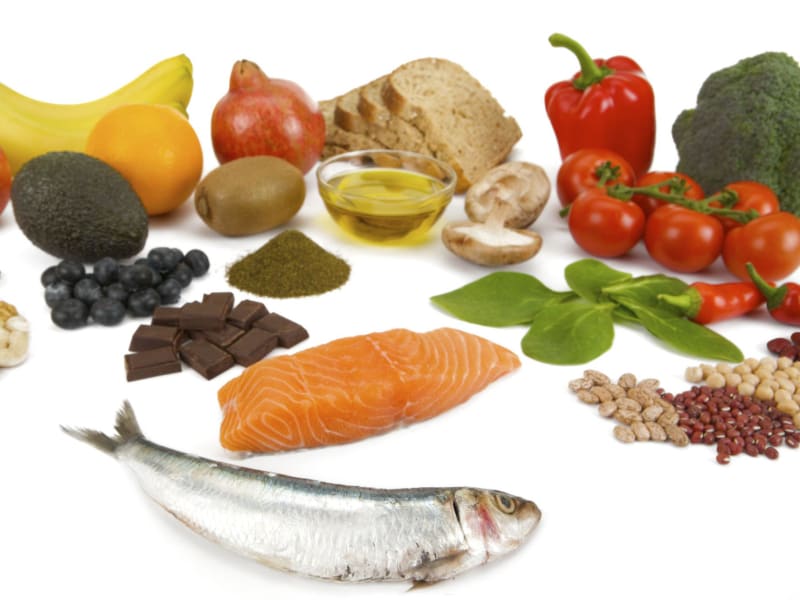
The superfood label is a marketing construct — but that doesn't mean all the foods wearing it are frauds. Some genuinely deserve the designation based on density of nutrients and breadth of evidence; others are expensive substitutes for far cheaper alternatives. Here's the honest breakdown.
April 14, 2026
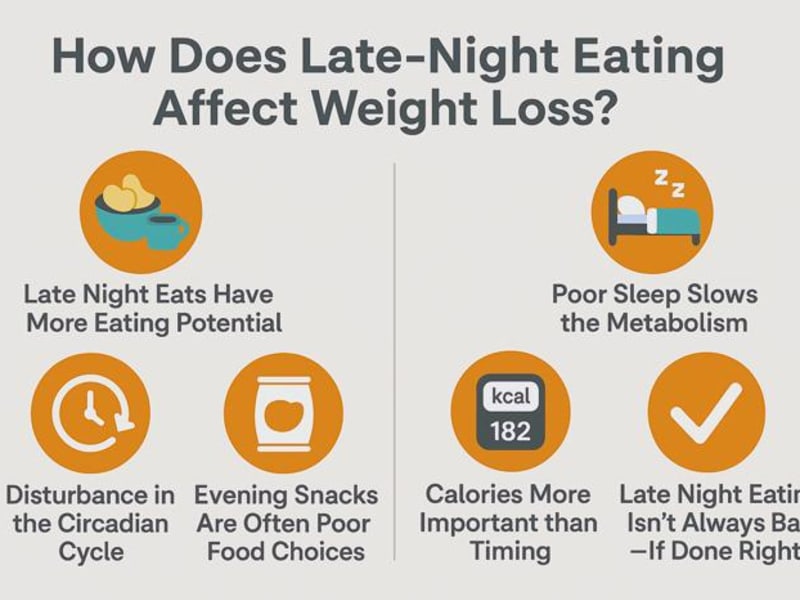
The belief that eating after 8pm automatically causes weight gain is pervasive — but the reality is more nuanced. Circadian biology, food choices, and total caloric intake all interact in ways that make the question far more interesting than a simple yes or no.
April 14, 2026