

Emergency & Help
24/7 Emergency & General Advisory
🚨 24/7 Medical Emergency
Non-Emergency Advisory
10:00 AM – 6:00 PM, Mon–Sat
For appointments & general queries.
24/7 Emergency & General Advisory
🚨 24/7 Medical Emergency
Non-Emergency Advisory
10:00 AM – 6:00 PM, Mon–Sat
For appointments & general queries.
Understand PCOD (Polycystic Ovary Syndrome) in India. Learn about symptoms, causes, diagnosis, and effective treatment strategies for women's health.
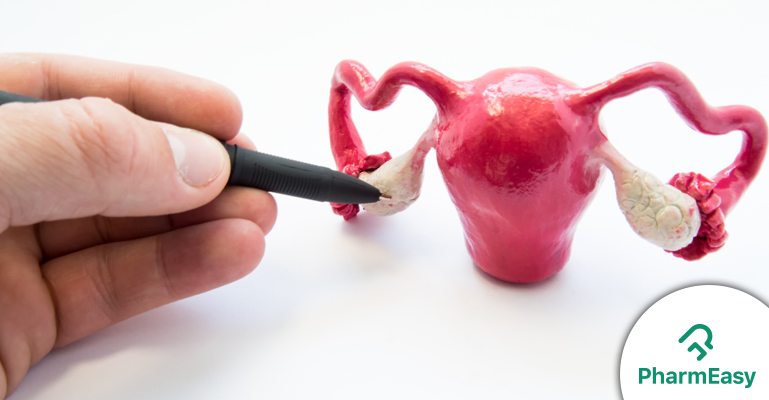
Meena, 45, a homemaker from Jaipur, noticed infrequent menstrual cycles for over a year, accompanied by sudden weight gain and persistent acne. Her mother had similar issues, dismissing them as hormonal fluctuations.
However, the persistent fatigue and anxiety began to worry Meena. Have you ever wondered why such signs, frequently overlooked, could indicate a significant underlying health condition affecting millions of Indian individuals?
Polycystic Ovary Syndrome (PCOS), often referred to as PCOD in India due to common usage, is a complex endocrine disorder that affects individuals of reproductive age. It is characterised by a combination of hormonal imbalances, irregular ovulation, and polycystic ovaries (ovaries containing numerous small follicles).
The reality is, it’s one of the most prevalent endocrine disorders among individuals, impacting an estimated 10-15% of reproductive-aged people globally, with meaningful prevalence in India.
This issue can manifest differently in each individual, making diagnosis sometimes challenging. Early recognition and care are crucial for preventing long-term health complications. Understanding PCOD is the first step towards reclaiming your health and well-being.
That alone changes everything.
The signs of PCOD can vary widely in intensity and combination. What most people miss: the subtle, seemingly unrelated indicators that, when clustered, point towards this disorder. typical indicators include:
Does this sound familiar? These signs can significantly impact an individual's quality of life, affecting her self-esteem and daily functioning. Many individuals endure these warning signs for years before seeking medical help, frequently attributing them to stress or natural life stages.
The exact cause of PCOD remains unknown, but research points to a combination of genetic and environmental factors. Think about it this way: it’s rarely just one thing. Key contributing factors include:
Worth knowing: While the exact interplay of these factors is still being studied, their combined effect creates the hormonal chaos characteristic of PCOD.
Diagnosing PCOD typically involves a combination of medical history, physical examination, and diagnostic tests. Doctors usually follow the Rotterdam criteria, requiring at least two out of the following three conditions:
That's the part worth remembering.
Diagnostic steps frequently include:
It's essential to rule out other conditions that can mimic PCOD signs, such as thyroid disorders or Cushing’s syndrome. Early and accurate diagnosis is key to effective care.
There is no cure for PCOD, but its warning signs can be effectively managed through a combination of lifestyle changes and medical treatments. The approach is highly personalised, focusing on the individual's specific concerns and health goals.
For many individuals, especially in India where traditional diets are shifting, lifestyle changes form the cornerstone of PCOD care. These modifications can significantly improve manifestations and reduce the chance of long-term complications.
The Lancet has highlighted the critical role of lifestyle interventions in managing PCOD, emphasizing their effectiveness in improving metabolic and reproductive outcomes.
Depending on the severity of indicators and individual needs, medical treatments may be prescribed:
It is important to remember that these treatments are usually prescribed in conjunction with lifestyle modifications. The International Diabetes Federation (IDF) also stresses the importance of integrated care approaches for PCOD due to its strong link with metabolic syndrome.
Navigating PCOD in India involves unique cultural considerations. Societal pressures regarding marriage and childbearing can add marked emotional stress for individuals diagnosed with infertility due to PCOD.
That alone changes everything.
The monsoon season, while a welcome relief from the heat, can sometimes disrupt outdoor exercise routines, necessitating indoor alternatives. Festive diets, often rich and celebratory, require careful planning to avoid derailing dietary goals.
Access to healthcare, while improving, can still be a challenge in rural areas. Fortunately, increasing awareness and the availability of specialised clinics, including those at institutions like AIIMS, provide better diagnostic and care facilities.
Online support groups and telemedicine services are also becoming valuable resources for individuals seeking information and community. Understanding PCOD is not just about medical facts; it's about holistic well-being.
Always consult a qualified physician before making any medical decisions.
Visit Hospital
Near You
A cesarean section (C-section) is a surgical delivery in which a baby is born through an incision in the mother's abdomen and uterus. In Kolkata, several experienced obstetricians and well-equipped hospitals offer C-section services for planned and emergency deliveries. Understanding when a C-sectio
July 31, 2026
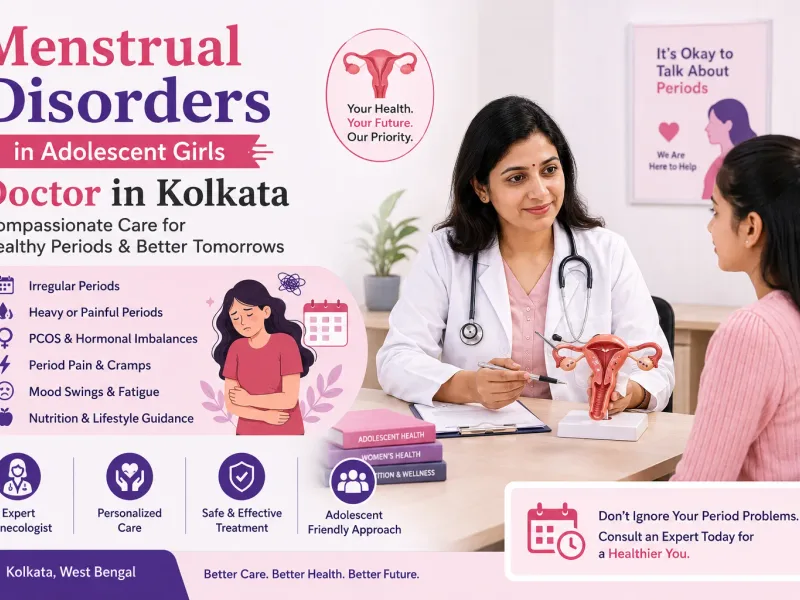
If you are searching for a Menstrual Disorders in Adolescent Girls Doctor in Kolkata, early evaluation by an experienced gynecologist can help identify the underlying cause of irregular or painful periods. While menstrual irregularities are common during the first few years after puberty, persistent
July 31, 2026
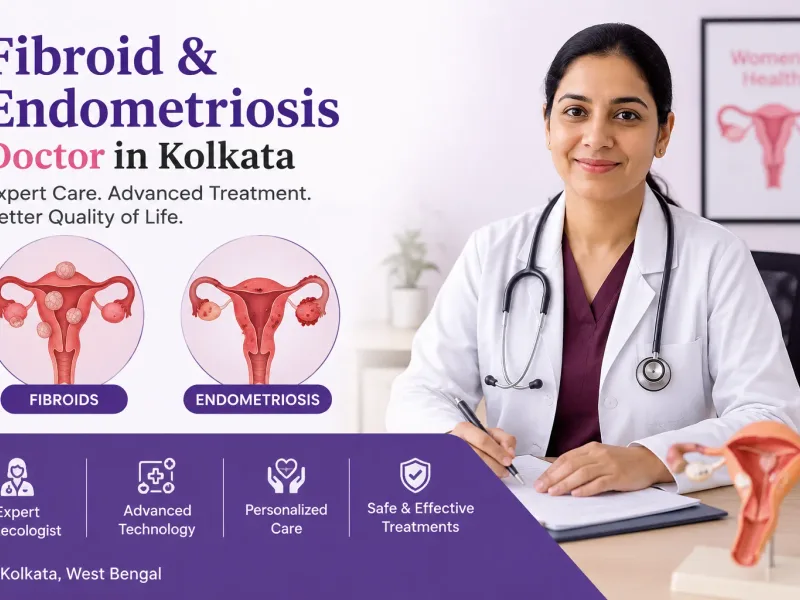
If you are searching for a Fibroid & Endometriosis doctor in Kolkata, choosing an experienced gynecologist with expertise in minimally invasive gynecological surgery is essential. Uterine fibroids and endometriosis are two common but different conditions that can cause pelvic pain, heavy menstrual b
July 31, 2026