

Emergency & Help
24/7 Emergency & General Advisory
🚨 24/7 Medical Emergency
Non-Emergency Advisory
10:00 AM – 6:00 PM, Mon–Sat
For appointments & general queries.
24/7 Emergency & General Advisory
🚨 24/7 Medical Emergency
Non-Emergency Advisory
10:00 AM – 6:00 PM, Mon–Sat
For appointments & general queries.
If you are searching for a Menstrual Disorders in Adolescent Girls Doctor in Kolkata, early evaluation by an experienced gynecologist can help identify the underlying cause of irregular or painful periods. While menstrual irregularities are common during the first few years after puberty, persistent
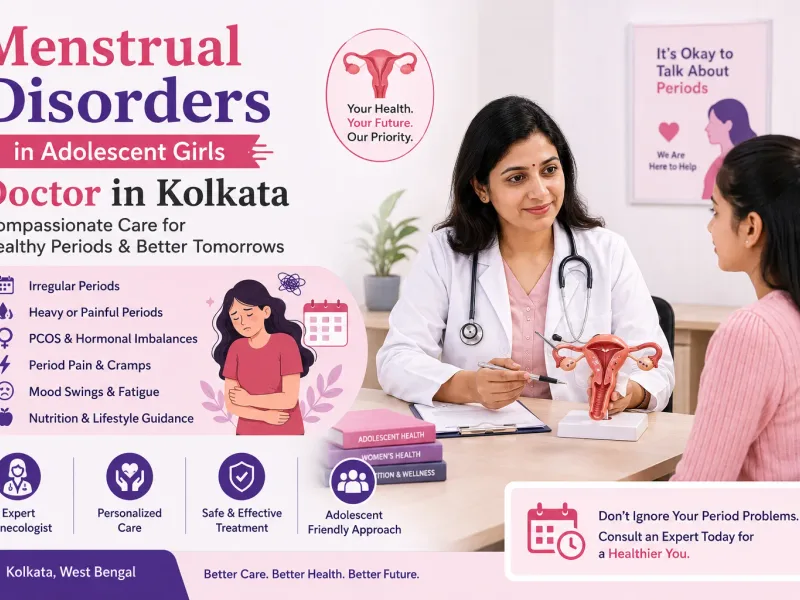
A Menstrual Disorders in Adolescent Girls Doctor in Kolkata specializes in diagnosing and treating menstrual problems that occur during adolescence. Menstrual disorders can affect a girl's physical health, emotional well-being, school attendance, and quality of life. Although some cycle irregularity is normal during the first few years after menarche (the first menstrual period), certain symptoms should not be ignored.
Consulting a qualified gynecologist helps determine whether menstrual changes are part of normal development or a sign of an underlying medical condition that requires treatment.
Menstrual disorders refer to abnormalities in the menstrual cycle, including changes in the timing, duration, frequency, or amount of menstrual bleeding. Some girls may experience painful periods, while others may have irregular cycles or unusually heavy bleeding.
During the first two to three years after menstruation begins, hormone levels are still maturing, which can make cycles somewhat irregular. However, prolonged or severe symptoms should always be evaluated by a healthcare professional.
Menstrual cycles may be shorter, longer, or unpredictable during early adolescence. Persistent irregularity beyond the expected adjustment period may require medical evaluation.
Heavy menstrual bleeding involves blood loss that interferes with daily activities, such as soaking through sanitary products frequently or prolonged bleeding lasting more than several days.
Many adolescent girls experience menstrual cramps. Severe pain that limits normal activities or does not improve with appropriate treatment should be assessed by a doctor.
Primary amenorrhea refers to the absence of menstruation by the expected age, while secondary amenorrhea occurs when periods stop after they have already begun.
Some girls experience mood changes, bloating, headaches, breast tenderness, and fatigue before menstruation. Severe symptoms may require medical evaluation.
Several factors may contribute to menstrual irregularities during adolescence.
Common causes include:
Hormonal changes after puberty
Polycystic ovary syndrome (PCOS)
Thyroid disorders
Blood clotting disorders
Excessive exercise
Poor nutrition
Significant weight loss or obesity
Emotional stress
Certain medications
Pregnancy in sexually active adolescents
Chronic medical conditions
Identifying the underlying cause helps determine the most appropriate treatment plan.
Parents and adolescents should consult a doctor if any of the following symptoms occur:
Very heavy menstrual bleeding
Bleeding lasting longer than seven days
Severe menstrual pain
Periods occurring very frequently or very rarely
No menstrual periods by the expected age
Sudden absence of previously regular periods
Severe fatigue or symptoms of anemia
Dizziness during menstruation
Large blood clots
Pelvic pain between periods
Early diagnosis can help prevent complications such as anemia and improve overall well-being.
Medical evaluation is recommended if menstrual symptoms interfere with school, sports, sleep, or daily activities.
A gynecologist may also recommend assessment when:
Periods remain highly irregular several years after menarche
Heavy bleeding causes low hemoglobin levels
Menstrual pain becomes progressively worse
There are signs of hormonal disorders such as excessive acne or unwanted hair growth
Family history suggests bleeding disorders
Prompt evaluation can help identify treatable conditions and provide reassurance when symptoms are part of normal adolescent development.
Diagnosis begins with a detailed discussion of menstrual history, overall health, and symptoms.
Your doctor may recommend:
Medical history review
Physical examination when appropriate
Growth and weight assessment
Blood tests
Thyroid function tests
Hormone evaluation
Pregnancy testing when clinically appropriate
Ultrasound examination if indicated
Evaluation for bleeding disorders in selected patients
Not every adolescent requires all of these tests. The evaluation is individualized based on symptoms and clinical findings.
Treatment depends on the underlying cause rather than the symptoms alone.
Possible treatment options include:
Healthy eating, regular physical activity, stress management, and maintaining a healthy body weight may help improve menstrual regularity in some adolescents.
Girls with heavy menstrual bleeding and iron deficiency anemia may require iron supplements under medical supervision.
In selected cases, doctors may recommend hormonal medications to regulate menstrual cycles or reduce heavy bleeding. Treatment decisions are based on the patient's age, symptoms, and medical history.
Appropriate pain relief measures may help girls experiencing significant menstrual cramps. These should always be used according to medical advice.
Managing thyroid disease, PCOS, bleeding disorders, or other medical conditions often improves menstrual health.
[REVIEWER: Add clinical insight regarding individualized treatment planning for adolescents with menstrual disorders and counseling for patients and parents.]
Most menstrual disorders during adolescence do not permanently affect future fertility. Many irregular cycles are related to normal hormonal maturation after puberty.
However, conditions such as PCOS, thyroid disorders, or untreated reproductive health conditions may require long-term follow-up. Early diagnosis and appropriate management can help support future reproductive health.
Simple healthy habits may support menstrual well-being.
These include:
Maintaining a balanced diet
Staying physically active
Getting enough sleep
Managing stress
Drinking adequate water
Tracking menstrual cycles
Avoiding self-medication
Attending regular medical check-ups when advised
Parents should encourage open communication so adolescent girls feel comfortable discussing menstrual concerns.
[REVIEWER: Add practical advice on reassuring adolescents about normal menstrual variation while identifying warning signs that require referral.]
When selecting a gynecologist, consider:
Board certification in Obstetrics and Gynecology
Experience treating adolescent gynecological conditions
Comfortable and confidential consultation environment
Evidence-based treatment approach
Clear communication with both adolescents and parents
Access to appropriate diagnostic facilities
Availability of follow-up care
A compassionate doctor who understands adolescent health can make young patients feel more comfortable during evaluation and treatment.
Yes. Irregular menstrual cycles are common during the first two to three years after menarche because hormone levels are still developing. However, very heavy bleeding, prolonged absence of periods, or severe pain should be evaluated by a healthcare professional.
A gynecologist should be consulted if periods are extremely painful, unusually heavy, absent beyond the expected age, irregular for an extended period, or affecting daily activities, school attendance, or overall health.
Yes. Heavy menstrual bleeding may lead to iron deficiency anemia, causing tiredness, dizziness, weakness, and reduced concentration. A doctor may recommend blood tests and appropriate treatment if anemia is suspected.
PCOS can contribute to irregular menstrual cycles in some adolescents. However, diagnosing PCOS during adolescence requires careful evaluation because normal puberty can temporarily resemble some features of the condition.
Most menstrual disorders in adolescent girls are managed without surgery. Treatment often includes lifestyle changes, medications, iron supplementation, or hormonal therapy depending on the underlying cause and individual health needs.
Visit Hospital
Near You
A cesarean section (C-section) is a surgical delivery in which a baby is born through an incision in the mother's abdomen and uterus. In Kolkata, several experienced obstetricians and well-equipped hospitals offer C-section services for planned and emergency deliveries. Understanding when a C-sectio
July 31, 2026
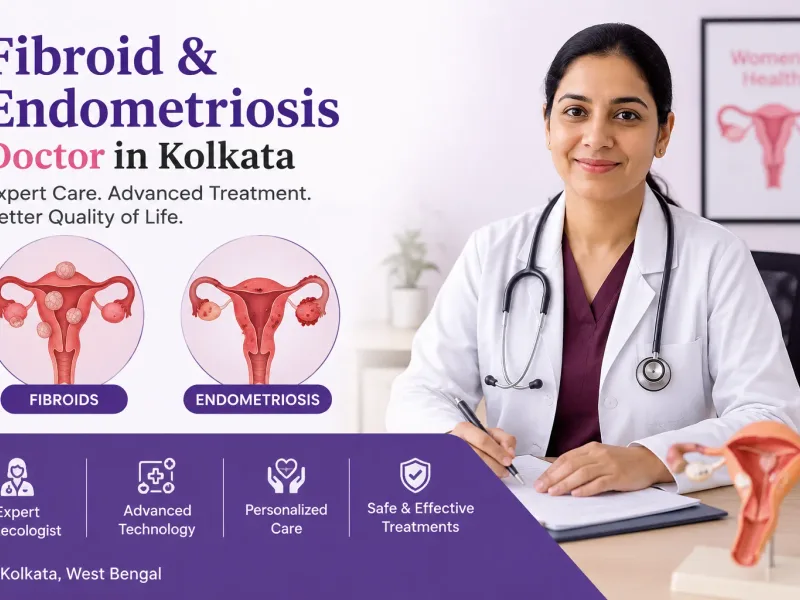
If you are searching for a Fibroid & Endometriosis doctor in Kolkata, choosing an experienced gynecologist with expertise in minimally invasive gynecological surgery is essential. Uterine fibroids and endometriosis are two common but different conditions that can cause pelvic pain, heavy menstrual b
July 31, 2026
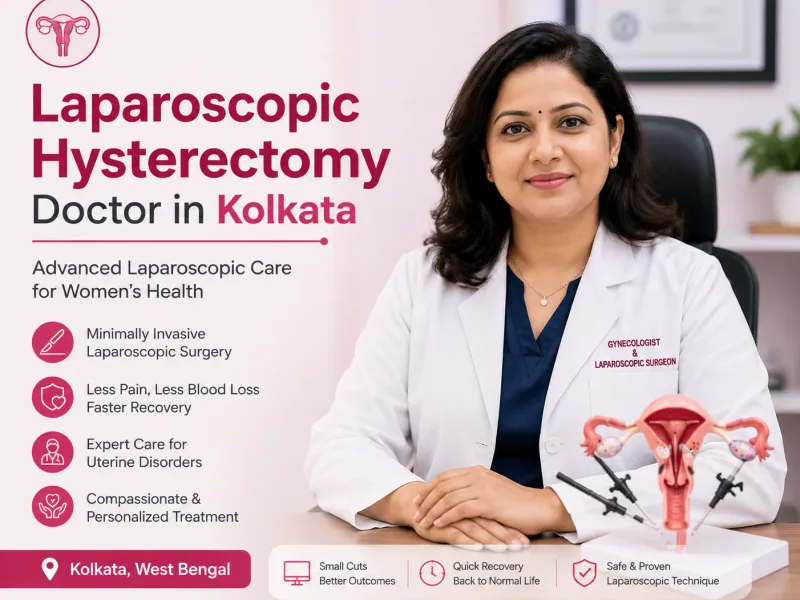
If you are searching for a Laparoscopic Hysterectomy doctor in Kolkata, it is important to choose an experienced gynecologist who specializes in minimally invasive gynecological surgery. Laparoscopic hysterectomy removes the uterus through small incisions using a camera and specialized surgical inst
July 31, 2026