

Emergency & Help
24/7 Emergency & General Advisory
🚨 24/7 Medical Emergency
Non-Emergency Advisory
10:00 AM – 6:00 PM, Mon–Sat
For appointments & general queries.
24/7 Emergency & General Advisory
🚨 24/7 Medical Emergency
Non-Emergency Advisory
10:00 AM – 6:00 PM, Mon–Sat
For appointments & general queries.
Learn about your options for accessing affordable birth control in India, including government programs, NGOs, and telemedicine services. Get the information you need for your reproductive health.

Deciding to use birth control is a significant personal choice, and knowing how to access it affordably is just as important. In India, like in many parts of the world, cost can be a barrier. However, several avenues exist to help you obtain contraception without straining your finances. This guide aims to demystify the process, outlining various options for accessing free or lower-cost birth control, ensuring you can make informed decisions about your reproductive health.
The price of birth control can vary widely. Several factors influence the cost:
For those without insurance, the annual cost can range from ₹1,500 to ₹4,500 or more, depending on the method. This is where understanding government programs and non-profit support becomes essential.
Don't let cost deter you from accessing birth control. Here are several places to explore:
Government-run health facilities are often the most accessible and affordable option. Many public hospitals and primary health centers (PHCs) offer:
What to do: Locate your nearest government hospital or PHC. You can usually find information on their services by visiting the facility or checking your local government health department's website. Be prepared for potentially longer waiting times.
Many non-governmental organizations (NGOs) and family planning clinics are dedicated to providing reproductive health services, including birth control, at reduced costs or even for free. These organizations often:
What to do: Search online for "family planning clinics near me," "affordable birth control India," or "NGO reproductive health services." Websites of organizations like the Family Planning Association of India (FPA India) can be a good starting point.
In many rural and semi-urban areas, community health workers (like ASHAs in India) play a vital role. They:
What to do: Connect with your local Anganwadi center or inquire about community health worker programs in your area. They are a valuable resource for basic family planning needs.
The digital age has made accessing some forms of birth control more convenient. Online pharmacies and telemedicine platforms offer:
What to do: Research reputable online pharmacies and telemedicine providers in India. Always ensure they are licensed and follow all necessary medical protocols. Compare prices, as they can vary.
Here’s a general roadmap to help you navigate the process:
Real-life Scenario: Priya lives in a small town and recently lost her job, making her health insurance inactive. She's concerned about the cost of birth control pills she used to buy. She remembers her neighbor mentioning the local government health center. Priya decides to visit it, and after a short wait, she consults a doctor who prescribes the same pills at a highly subsidized rate, significantly easing her financial worry.
It’s always best to consult a healthcare professional before starting any new birth control method. You should definitely see a doctor if you experience:
These could be signs of serious side effects. Also, consult a doctor if you have pre-existing health conditions, as some methods may not be suitable for you. Regular check-ups are important to monitor your health and discuss any changes or concerns.
Certain methods, like condoms and some birth control pills, are available over-the-counter without a prescription in many pharmacies. However, for other methods like IUDs, implants, or injections, a prescription and medical consultation are necessary.
The Indian government, through its Ministry of Health and Family Welfare, promotes various family planning services. While not always explicitly advertised as "free birth control," many government hospitals and PHCs offer services and methods at highly subsidized rates or for free, particularly for eligible populations.
Yes, telemedicine can be a safe and convenient option, provided you use reputable platforms and licensed healthcare providers. They follow similar protocols for consultation and prescription as in-person visits, ensuring your safety and health.
If you miss a pill, refer to the specific instructions provided with your birth control pack or consult your healthcare provider immediately. Missing pills can reduce their effectiveness.
Accessing birth control is a fundamental aspect of reproductive healthcare. By understanding your options and knowing where to seek help, you can make informed choices that align with your health needs and financial situation. Don't hesitate to reach out to healthcare providers and support organizations – they are there to help you.
Visit Hospital
Near You
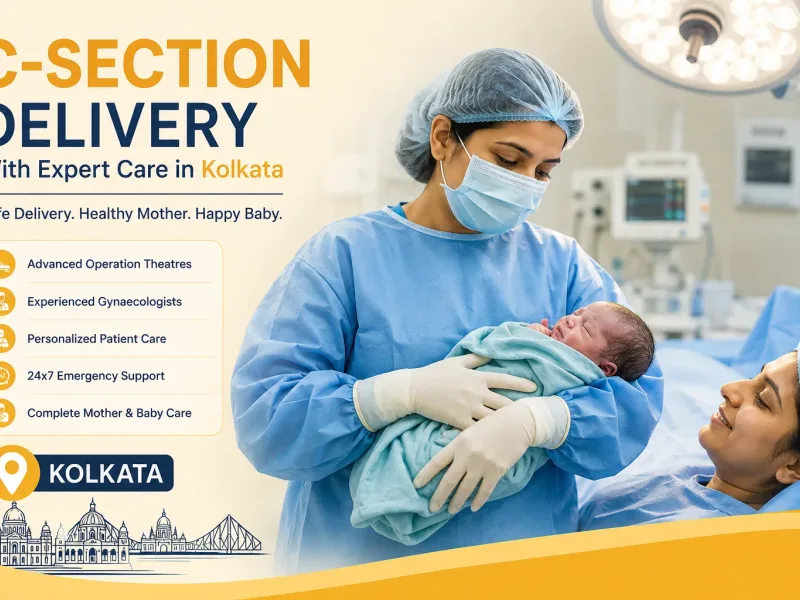
A cesarean section (C-section) is a surgical delivery in which a baby is born through an incision in the mother's abdomen and uterus. In Kolkata, several experienced obstetricians and well-equipped hospitals offer C-section services for planned and emergency deliveries. Understanding when a C-sectio
July 31, 2026
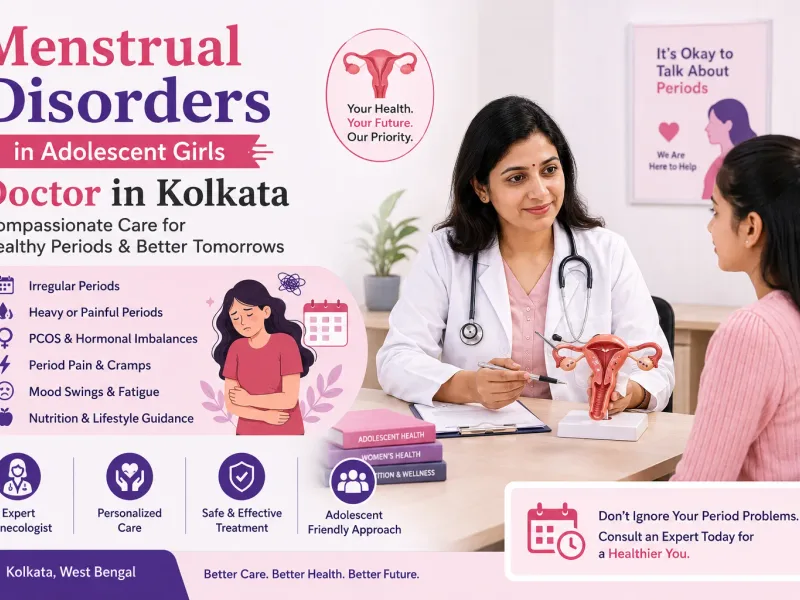
If you are searching for a Menstrual Disorders in Adolescent Girls Doctor in Kolkata, early evaluation by an experienced gynecologist can help identify the underlying cause of irregular or painful periods. While menstrual irregularities are common during the first few years after puberty, persistent
July 31, 2026
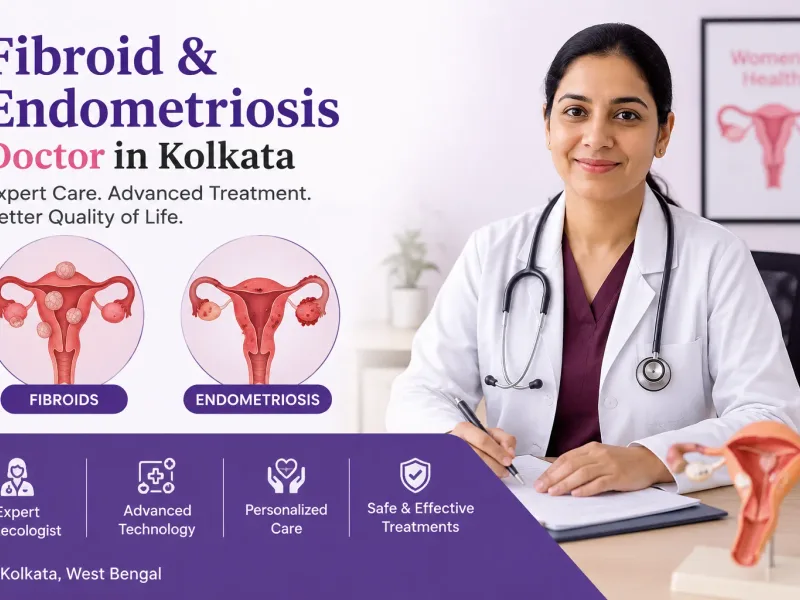
If you are searching for a Fibroid & Endometriosis doctor in Kolkata, choosing an experienced gynecologist with expertise in minimally invasive gynecological surgery is essential. Uterine fibroids and endometriosis are two common but different conditions that can cause pelvic pain, heavy menstrual b
July 31, 2026