

Emergency & Help
24/7 Emergency & General Advisory
🚨 24/7 Medical Emergency
Non-Emergency Advisory
10:00 AM – 6:00 PM, Mon–Sat
For appointments & general queries.
24/7 Emergency & General Advisory
🚨 24/7 Medical Emergency
Non-Emergency Advisory
10:00 AM – 6:00 PM, Mon–Sat
For appointments & general queries.
Learn about accessing affordable birth control, inspired by the principles of the ACA, with options available in India. Understand coverage, types of methods, and where to seek help.

Navigating the world of birth control can feel like a maze, especially when cost is a concern. In India, while the Affordable Care Act (ACA) is a US-specific law, its principles of ensuring access to essential healthcare, including contraception, resonate globally. Understanding your rights and options is key to making informed decisions about your reproductive health. This guide aims to demystify how you can access birth control affordably, drawing parallels with the spirit of the ACA and highlighting resources available in India.
The ACA, often called Obamacare, brought significant changes to healthcare in the United States by aiming to lower costs and expand insurance coverage. A cornerstone of this law is the mandate for most health insurance plans to cover preventive services, including a wide range of FDA-approved birth control methods, often with no out-of-pocket expenses like copays or deductibles. Imagine a world before such laws – where the cost of essential contraception could run into thousands of dollars, creating a massive barrier for many. The ACA sought to dismantle these barriers, empowering individuals to plan their families and manage their health effectively.
While India has its own unique healthcare system and public health programs, the underlying goal of making reproductive healthcare accessible and affordable is shared. Public health initiatives, government-subsidized programs, and a growing awareness among healthcare providers contribute to making birth control more attainable. It's about ensuring that everyone, regardless of their financial situation, has the information and means to choose the contraceptive method that best suits their needs and lifestyle.
The ACA's approach, focusing on comprehensive coverage and removing financial hurdles, offers a valuable framework for discussion. It emphasizes that birth control is not a luxury but a fundamental aspect of healthcare. This means that a variety of methods, from pills and patches to implants and IUDs, should be accessible. The law also recognized the importance of related services, such as annual well-woman exams, which are vital for overall reproductive health screening and management.
Key principles that we can learn from the ACA include:
Under the ACA's framework, a broad range of birth control methods are considered. These typically include:
It's important to remember that
This section adds practical context and preventive advice to help readers make informed healthcare decisions. It is important to verify symptoms early, consult qualified doctors, and avoid self-medication for persistent health issues.
Maintaining healthy routines, following prescribed treatment plans, and attending regular checkups can improve outcomes. If symptoms worsen or red-flag signs appear, immediate medical evaluation is recommended.
Track symptoms and duration.
Follow diagnosis and treatment from a licensed practitioner.
Review medication side effects with your doctor.
Seek urgent care for severe warning signs.
Visit Hospital
Near You

A cesarean section (C-section) is a surgical delivery in which a baby is born through an incision in the mother's abdomen and uterus. In Kolkata, several experienced obstetricians and well-equipped hospitals offer C-section services for planned and emergency deliveries. Understanding when a C-sectio
July 31, 2026
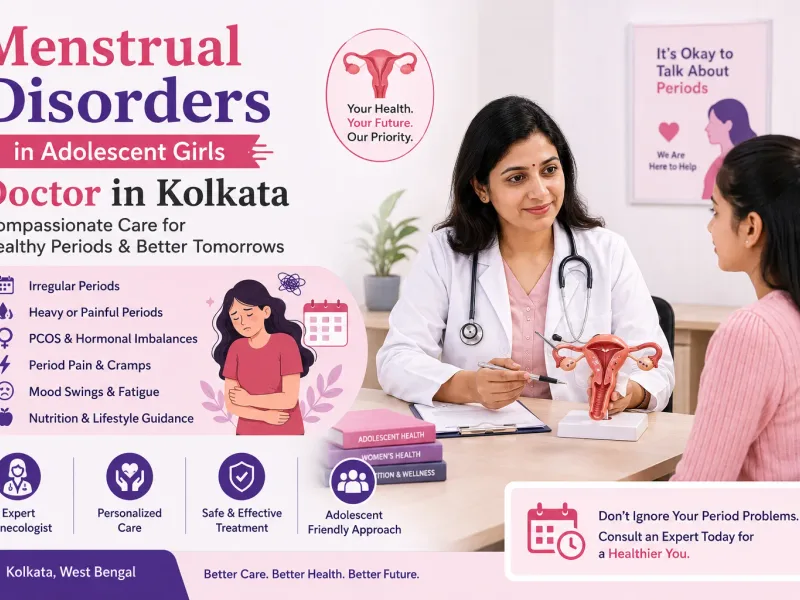
If you are searching for a Menstrual Disorders in Adolescent Girls Doctor in Kolkata, early evaluation by an experienced gynecologist can help identify the underlying cause of irregular or painful periods. While menstrual irregularities are common during the first few years after puberty, persistent
July 31, 2026
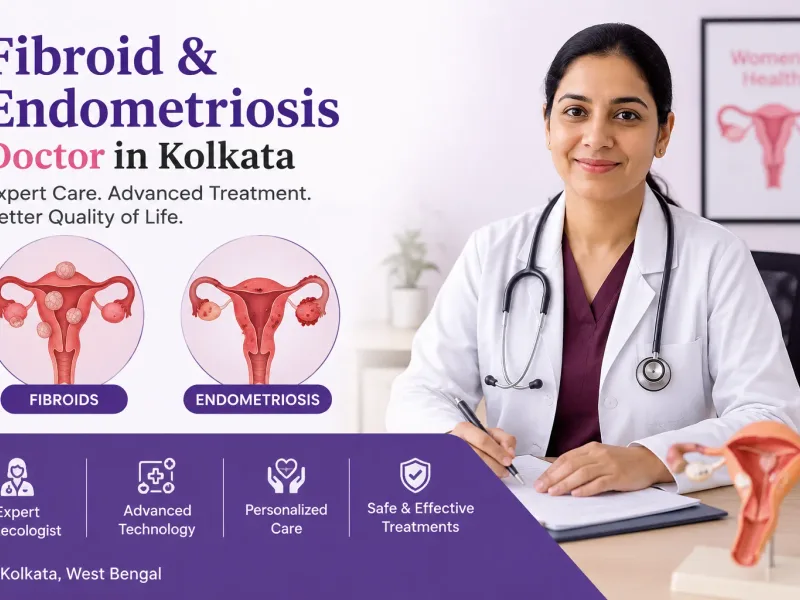
If you are searching for a Fibroid & Endometriosis doctor in Kolkata, choosing an experienced gynecologist with expertise in minimally invasive gynecological surgery is essential. Uterine fibroids and endometriosis are two common but different conditions that can cause pelvic pain, heavy menstrual b
July 31, 2026