

Emergency & Help
24/7 Emergency & General Advisory
🚨 24/7 Medical Emergency
Non-Emergency Advisory
10:00 AM – 6:00 PM, Mon–Sat
For appointments & general queries.
24/7 Emergency & General Advisory
🚨 24/7 Medical Emergency
Non-Emergency Advisory
10:00 AM – 6:00 PM, Mon–Sat
For appointments & general queries.
Myomectomy is a surgery that removes uterine fibroids while keeping the uterus intact — making it the preferred choice for women who want to preserve their fertility. Kolkata has several experienced female gynaecologists who specialise in this procedure, including laparoscopic and robotic-assisted a
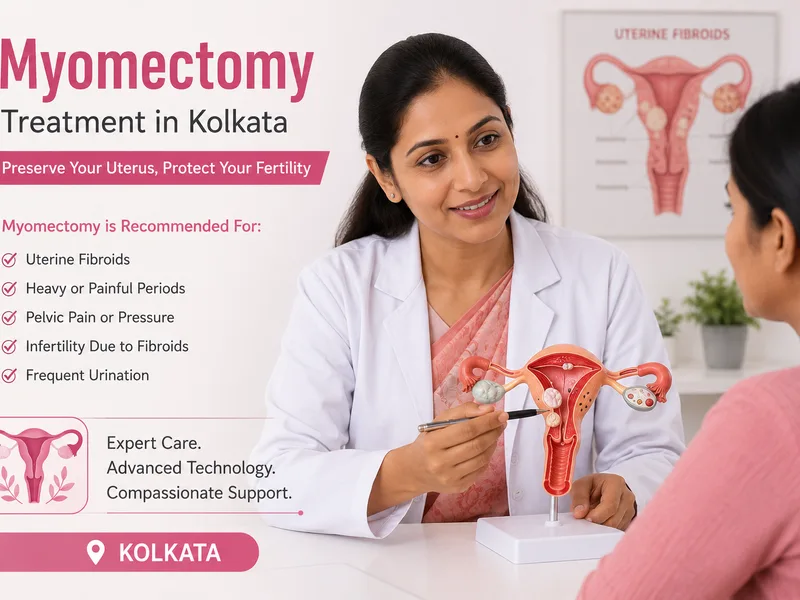
Myomectomy is a surgical procedure that removes uterine fibroids — non-cancerous growths in the uterus — while leaving the uterus itself intact. It is the recommended option for women who want to treat fibroid symptoms and still have the possibility of getting pregnant. Kolkata has a growing number of qualified female gynaecologists who perform myomectomy using both open and minimally invasive techniques.
Uterine fibroids are the most common noncancerous tumours in women of childbearing age. Many women have no symptoms at all. But when symptoms do appear, they can significantly disrupt daily life — and that is when surgical intervention becomes worth discussing seriously.
Fibroids grow in and around the muscular wall of the uterus. They can appear as a single growth or in clusters, and range in size from as small as an apple seed to as large as a grapefruit. The medical term for them is leiomyoma or myoma.
They can cause a range of symptoms including abnormal uterine bleeding, pain, pressure symptoms, and subfertility. Some women also experience frequent urination, bloating, or difficulty conceiving.
Not every fibroid needs treatment. If you have no symptoms, you may not need any treatment at all.
Myomectomy is recommended when fibroids become symptomatic or when their location affects fertility. If a patient has difficulty getting pregnant, fibroids that affect the uterine cavity may need to be removed.
Myomectomy surgery is a good option if you wish to become pregnant in the future and want to preserve your fertility. It is specifically chosen over hysterectomy — which removes the entire uterus — when a woman wants to retain the option of having children.
The decision also depends on the size, location, and number of fibroids present, along with the patient's age and overall health.
[REVIEWER: add clinical insight here — for example, a note on which fibroid types (submucosal, subserosal, intramural) are most commonly referred for myomectomy in your practice, and how you counsel patients on the choice between laparoscopic and open surgery]
There are three main approaches, and a gynaecologist will recommend the right one based on your individual case.
Laparoscopic Myomectomy — A minimally invasive approach using small incisions and a camera. Minimally invasive techniques cause less tissue damage, leading to reduced discomfort and quicker pain relief after surgery, and help minimise blood loss, infection risks, and other surgical complications. This is now the preferred method when the fibroids are accessible and not excessively large.
Abdominal (Open) Myomectomy — Used when fibroids are very large or numerous. A single incision is made in the lower abdomen. Recovery takes longer, but it allows the surgeon full access.
Hysteroscopic Myomectomy — Used for fibroids that grow inside the uterine cavity (submucosal fibroids). No external incisions are made; instruments are passed through the vagina and cervix.
The choice of treatment depends on the patient's age and fertility and the number, size and location of the fibroids.
Recovery varies by approach. Laparoscopic procedures generally allow a faster return to normal activity compared to open surgery.
After myomectomy, you may have relief from symptoms like heavy menstrual bleeding and pelvic pain and pressure. While the original fibroids do not regrow after surgery, it is possible for new fibroids to appear, and they may or may not require treatment.
Most women who have a myomectomy can become pregnant. However, you should wait three months after the procedure before trying to conceive. Studies show that between 15 to 33% of fibroids return after the surgery — making regular follow-up gynaecological appointments important.
Before the procedure, your gynaecologist will typically order blood tests and a pelvic ultrasound to assess fibroid size, location, and your overall health. You will be advised to avoid tobacco, alcohol, and certain medications in the days before surgery.
Many women in Kolkata prefer to see a female gynaecologist for intimate reproductive health concerns, and there are several experienced women doctors in the city who specialise in fibroid surgery.
A myomectomy specialist is a gynaecologist who specialises in fertility-preserving procedures. They are also known as reproductive surgeons, and they ensure that surgical procedures are safe, especially for those women who are planning to conceive.
Some well-regarded options in Kolkata include:
Dr. Megha Khanna — specialises in laparoscopic myomectomy in Kolkata, with a focus on preserving the uterus while treating fibroids and supporting future pregnancy possibilities.
Dr. Ushasi Mukherjee — a female gynaecologist with 12+ years of experience, with specialisation in laparoscopic myomectomy, high-risk pregnancy, PCOS, and infertility.
Dr. Lahori Roy — a lady gynaecologist in Kolkata with patient reviews specifically mentioning myomectomy surgery performed with reported positive outcomes.
Dr. Sharmistha Patra — a gynaecologist surgeon practicing at Apollo Saltlake, Kolkata, with myomectomy listed among her specialisations alongside high-risk pregnancy and endometriosis.
CMRI Hospitals (CK Birla Group) — offers myomectomy specialist consultations for women experiencing symptoms like heavy bleeding, pain, or difficulty conceiving due to fibroids.
When choosing a surgeon, look for board certification, subspecialty training in laparoscopic or robotic surgery, a clear explanation of your options, and a willingness to answer questions without rushing.
[REVIEWER: add clinical insight here — for example, what questions a patient should ask at their first consultation, or what red flags suggest they should seek a second opinion]
Myomectomy has the advantage of leaving the womb intact, meaning pregnancy is still possible afterwards. This procedure often relieves fibroid symptoms just as well as a hysterectomy. But fibroids can grow back after a myomectomy — which cannot happen after a hysterectomy.
If you feel that your doctor is pressuring you towards a specific procedure, it may be a good idea to seek a second opinion. The right choice depends on your fertility goals, the fibroid burden, and your personal preferences — not a one-size-fits-all recommendation.
Q: What is myomectomy and how does it differ from hysterectomy?
Myomectomy removes only the fibroids, leaving the uterus in place. Hysterectomy removes the entire uterus. Myomectomy is preferred for women who wish to conceive in the future. Both procedures can relieve fibroid symptoms effectively, but myomectomy carries a chance of fibroids returning.
Q: Can I get pregnant after a myomectomy in Kolkata?
Yes, most women can conceive after myomectomy. You should generally wait about three months post-surgery before trying to get pregnant. In some cases, your doctor may recommend a caesarean delivery if the uterine wall was significantly affected during surgery. Discuss fertility planning with your gynaecologist before the procedure.
Q: How long is recovery after laparoscopic myomectomy?
Recovery from laparoscopic myomectomy is typically faster than open surgery — most women return to light activities within one to two weeks. Full recovery may take four to six weeks. Your surgeon will give you specific guidance based on the number and size of fibroids removed.
Q: Will fibroids grow back after myomectomy?
The removed fibroids will not regrow, but new fibroids can develop. Studies suggest 15 to 33% of women develop new fibroids after myomectomy. Regular ultrasound follow-ups help detect any recurrence early so it can be managed before symptoms return.
Q: How do I find a good female gynaecologist for myomectomy in Kolkata?
Look for a gynaecologist with postgraduate qualifications (MD, DNB, or MRCOG), documented experience in laparoscopic fibroid surgery, and hospital affiliations with proper surgical facilities. Platforms like Apollo 247, Skedoc, and Pristyn Care list Kolkata gynaecologists with patient reviews and credentials for comparison.
Visit Hospital
Near You
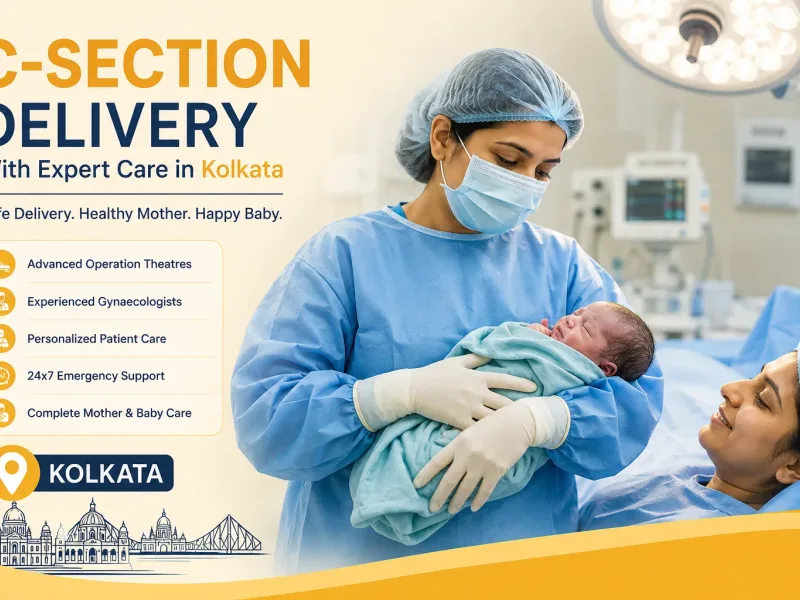
A cesarean section (C-section) is a surgical delivery in which a baby is born through an incision in the mother's abdomen and uterus. In Kolkata, several experienced obstetricians and well-equipped hospitals offer C-section services for planned and emergency deliveries. Understanding when a C-sectio
July 31, 2026
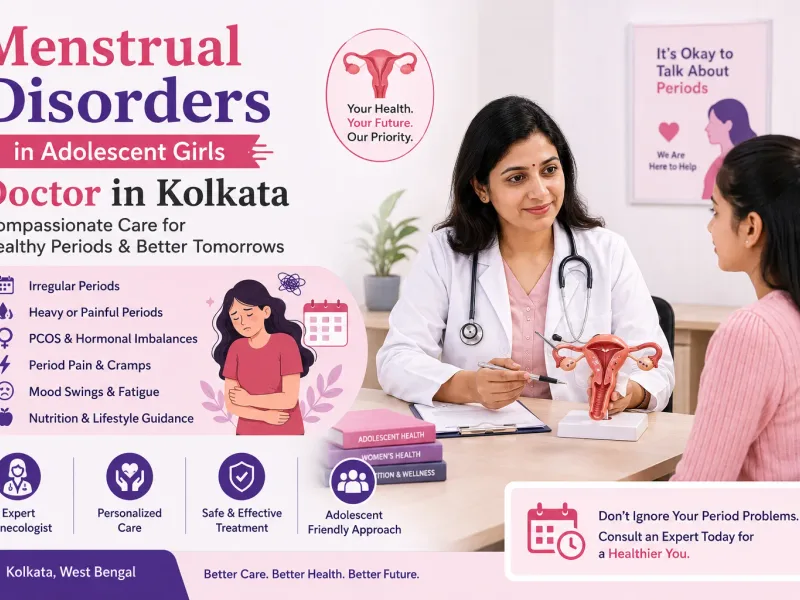
If you are searching for a Menstrual Disorders in Adolescent Girls Doctor in Kolkata, early evaluation by an experienced gynecologist can help identify the underlying cause of irregular or painful periods. While menstrual irregularities are common during the first few years after puberty, persistent
July 31, 2026
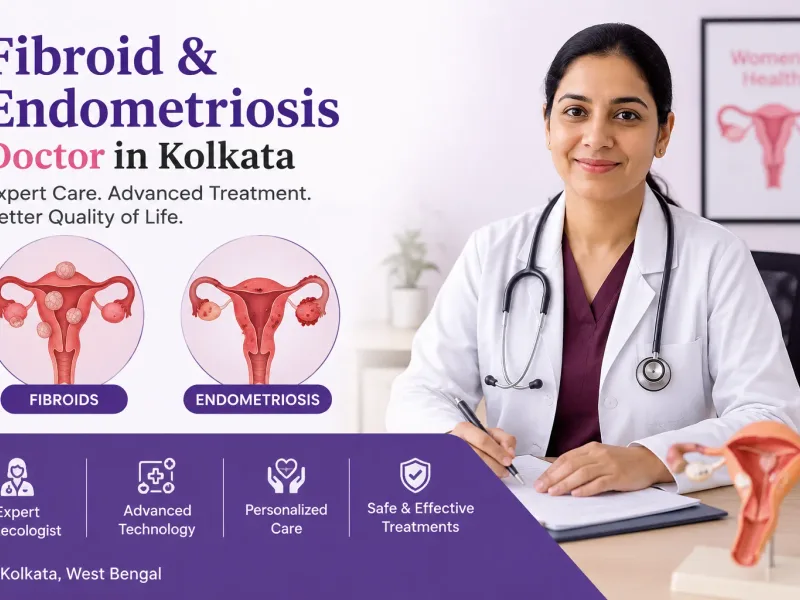
If you are searching for a Fibroid & Endometriosis doctor in Kolkata, choosing an experienced gynecologist with expertise in minimally invasive gynecological surgery is essential. Uterine fibroids and endometriosis are two common but different conditions that can cause pelvic pain, heavy menstrual b
July 31, 2026