

Emergency & Help
24/7 Emergency & General Advisory
🚨 24/7 Medical Emergency
Non-Emergency Advisory
10:00 AM – 6:00 PM, Mon–Sat
For appointments & general queries.
24/7 Emergency & General Advisory
🚨 24/7 Medical Emergency
Non-Emergency Advisory
10:00 AM – 6:00 PM, Mon–Sat
For appointments & general queries.
Exploring the unique challenges and vital support systems for Black maternal mental health, with insights relevant to marginalized communities in India. Learn about postpartum depression, anxiety, psychosis, and how to seek help.

The journey of motherhood is often portrayed as joyous, but for many women, it can be accompanied by significant mental health challenges. While maternal mental health is a growing concern globally, specific communities face unique hurdles. This article delves into the critical issue of maternal mental health among Black women, exploring the heightened risks, the impact of societal factors like racism and healthcare disparities, and the vital importance of seeking and providing support. Although the context is global, understanding these dynamics can shed light on similar challenges faced by marginalized communities in India, emphasizing the need for culturally sensitive care and open dialogue.
Statistics reveal a concerning trend: Black women experience disproportionately higher rates of postpartum mental health conditions compared to other demographics. While approximately 14% of women globally may experience postpartum depression (PPD), studies suggest this figure can surge to 29% to 44% for Black women. This disparity is not merely a statistical anomaly; it is deeply rooted in complex societal factors.
The mental well-being of Black mothers is significantly affected by the pervasive influence of racism, race-based violence, and a healthcare system that often lacks racial consciousness. These factors contribute to chronic stress, anxiety, and a sense of being undervalued or misunderstood. When a woman’s lived experiences of discrimination are not acknowledged or addressed within her healthcare, it can exacerbate existing mental health conditions or lead to new ones. The feeling of needing to be strong, coupled with the fear of not being taken seriously by medical professionals, creates a significant barrier to seeking help.
Motherhood, with its hormonal shifts, emotional rollercoaster, and drastic lifestyle changes, can trigger mental health issues even in those with no prior history. Understanding these conditions is the first step towards seeking help:
The underrepresentation of maternal mental health issues, particularly within marginalized communities, has detrimental effects. Prioritizing mental health is crucial for empowering mothers, fostering healthy parent-child bonding, and ensuring the overall well-being of the family. For Black women, and by extension, any community facing similar systemic barriers, access to culturally sensitive and understanding support systems is paramount.
Reaching out for help can feel overwhelming, but it is a sign of strength. Here are pathways to support:
While everyday stress and mood fluctuations are normal, certain signs warrant immediate medical attention:
While not all mental health challenges can be prevented, proactive steps can build resilience:
Maternal mental health is a critical component of overall maternal health. For Black women, and indeed for all women facing societal barriers, breaking the silence surrounding these issues is essential. By fostering understanding, promoting culturally competent care, and ensuring accessible support systems, we can empower mothers to navigate the challenges of postpartum life with strength and well-being. In India, as we strive for equitable healthcare, addressing the mental health needs of all mothers, especially those from marginalized communities, must be a priority. Open dialogue, destigmatization, and accessible resources are key to ensuring a healthier, happier journey into motherhood for everyone.
This section adds practical context and preventive advice to help readers make informed healthcare decisions. It is important to verify symptoms early, consult qualified doctors, and avoid self-medication for persistent health issues.
Maintaining healthy routines, following prescribed treatment plans, and attending regular checkups can improve outcomes. If symptoms worsen or red-flag signs appear, immediate medical evaluation is recommended.
Track symptoms and duration.
Follow diagnosis and treatment from a licensed practitioner.
Review medication side effects with your doctor.
Seek urgent care for severe warning signs.
Visit Hospital
Near You
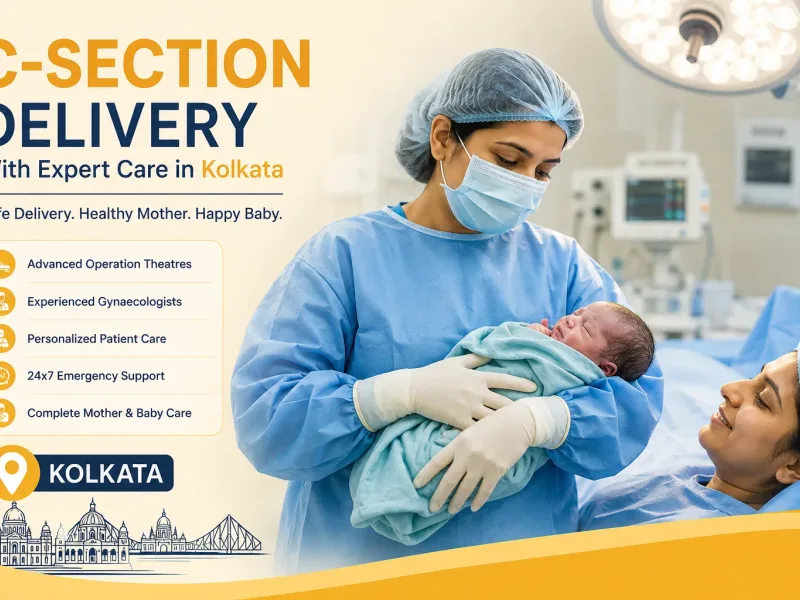
A cesarean section (C-section) is a surgical delivery in which a baby is born through an incision in the mother's abdomen and uterus. In Kolkata, several experienced obstetricians and well-equipped hospitals offer C-section services for planned and emergency deliveries. Understanding when a C-sectio
July 31, 2026
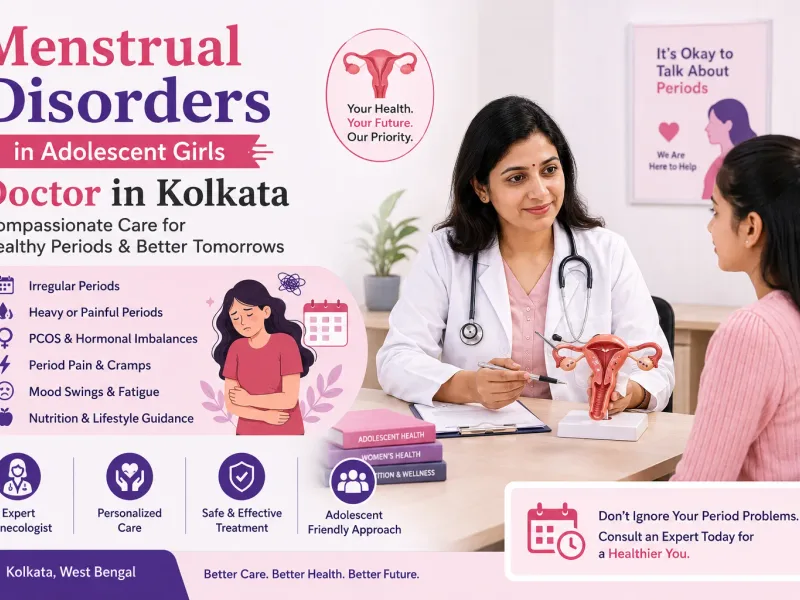
If you are searching for a Menstrual Disorders in Adolescent Girls Doctor in Kolkata, early evaluation by an experienced gynecologist can help identify the underlying cause of irregular or painful periods. While menstrual irregularities are common during the first few years after puberty, persistent
July 31, 2026
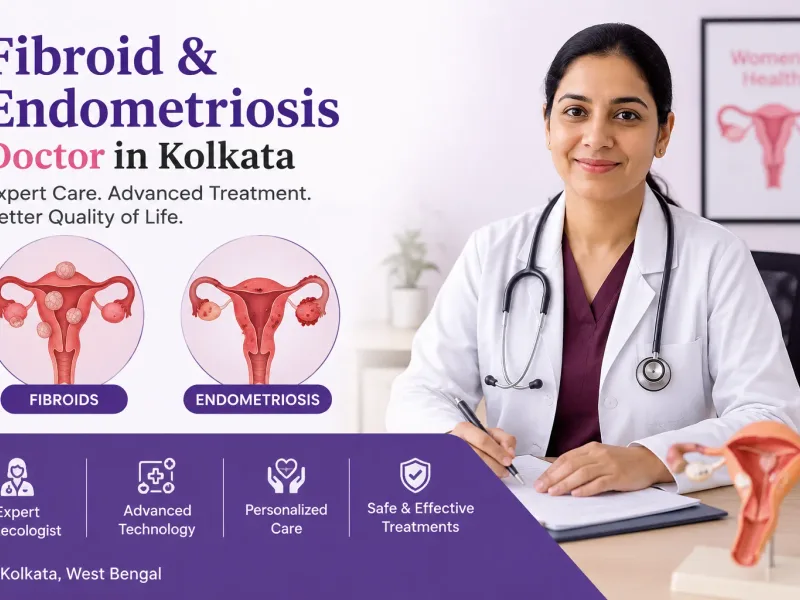
If you are searching for a Fibroid & Endometriosis doctor in Kolkata, choosing an experienced gynecologist with expertise in minimally invasive gynecological surgery is essential. Uterine fibroids and endometriosis are two common but different conditions that can cause pelvic pain, heavy menstrual b
July 31, 2026