

Emergency & Help
24/7 Emergency & General Advisory
🚨 24/7 Medical Emergency
Non-Emergency Advisory
10:00 AM – 6:00 PM, Mon–Sat
For appointments & general queries.
24/7 Emergency & General Advisory
🚨 24/7 Medical Emergency
Non-Emergency Advisory
10:00 AM – 6:00 PM, Mon–Sat
For appointments & general queries.
Considering at-home IUD removal in India? This guide offers a safe, step-by-step approach, including what you need and when to seek professional help. Your health comes first.

Intrauterine devices (IUDs) are a popular and effective long-acting reversible contraceptive (LARC) method, offering reliable protection for several years. Depending on the type, an IUD can remain in place for 3 to 10 years. However, there comes a time when it needs to be removed – whether it's reached its lifespan, you wish to conceive, or you're simply opting for a different birth control method. While professional removal by a healthcare provider is always the safest route, we understand that sometimes circumstances make this difficult. This guide is for those in India who might be considering at-home IUD removal, offering a step-by-step approach to do so as safely as possible. Remember, your health and safety are paramount.
Before we explore at-home options, it's vital to understand why your doctor or a trained healthcare professional is the best choice for IUD removal. They have the necessary training, sterile equipment, and experience to handle any potential complications. They can also ensure the IUD is removed completely and check for any signs of infection or other issues.
A scenario many Indian women face: You've planned your IUD removal for months, booked an appointment at your local clinic, but then a sudden family emergency arises, or perhaps your child falls ill, and you can't leave them. The clinic appointment is now impossible to make, and the thought of continuing with the IUD for longer than intended or facing an unplanned pregnancy is stressful. In such situations, understanding safe at-home removal becomes important, but it should always be a last resort.
An IUD is a small, T-shaped device inserted into the uterus. It has strings attached that hang through the cervix into the upper part of the vagina. These strings are typically 1-2 inches long and are used by healthcare providers to guide the removal. During removal, the provider gently pulls on these strings, causing the IUD's 'T' arms to fold inwards, allowing it to slide out smoothly.
If you've decided that professional removal isn't feasible, here's what you should gather to make the process as safe as possible:
Important Disclaimer: This guide is for informational purposes only and is not a substitute for professional medical advice. Attempting IUD removal at home carries risks. If you experience severe pain, heavy bleeding, or any signs of infection, seek immediate medical attention.
While IUD removal is often straightforward, complications can occur, especially with at-home attempts. Be vigilant for the following signs and seek immediate medical attention if they arise:
Before resorting to at-home removal, explore these options:
Yes, it is possible to remove it yourself, but having a trusted helper can make the process easier and safer, especially if you are nervous or have difficulty reaching.
If you cannot locate the strings after gentle searching, do not attempt to remove the IUD forcefully or with instruments. This could indicate the IUD has shifted or is embedded, requiring professional medical attention.
Mild cramping can occur during and shortly after removal. This usually subsides within a few hours to a day. If pain is severe or persistent, consult a doctor.
It's best to wait at least a few days, or until any discomfort subsides, before resuming sexual activity. If you are not planning to conceive immediately, ensure you have a backup birth control method in place.
While this guide aims to provide information on how to attempt IUD removal at home as safely as possible in India, we must reiterate that professional medical care is always the preferred and safest option. Understanding the risks and benefits, and having a plan for potential complications, is essential. If you have any doubts or concerns, please reach out to a qualified healthcare provider. Your well-being is the most important thing.
Visit Hospital
Near You
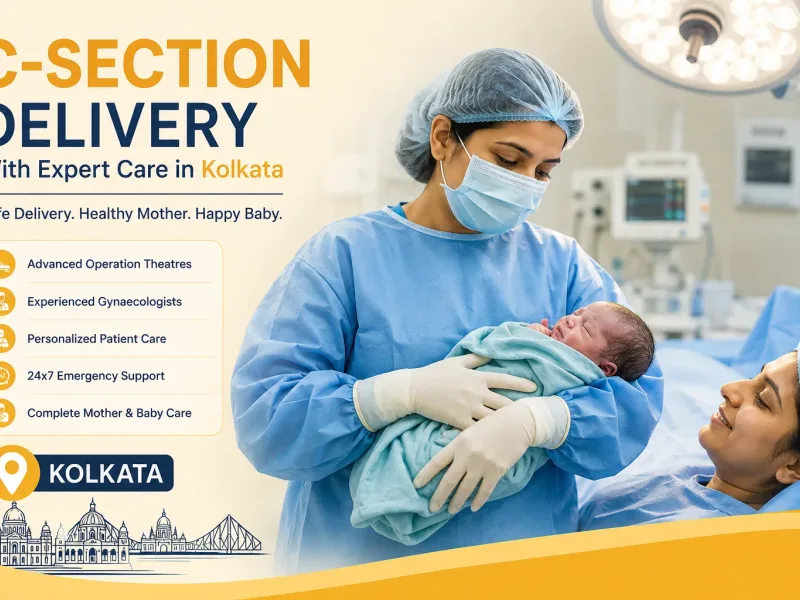
A cesarean section (C-section) is a surgical delivery in which a baby is born through an incision in the mother's abdomen and uterus. In Kolkata, several experienced obstetricians and well-equipped hospitals offer C-section services for planned and emergency deliveries. Understanding when a C-sectio
July 31, 2026
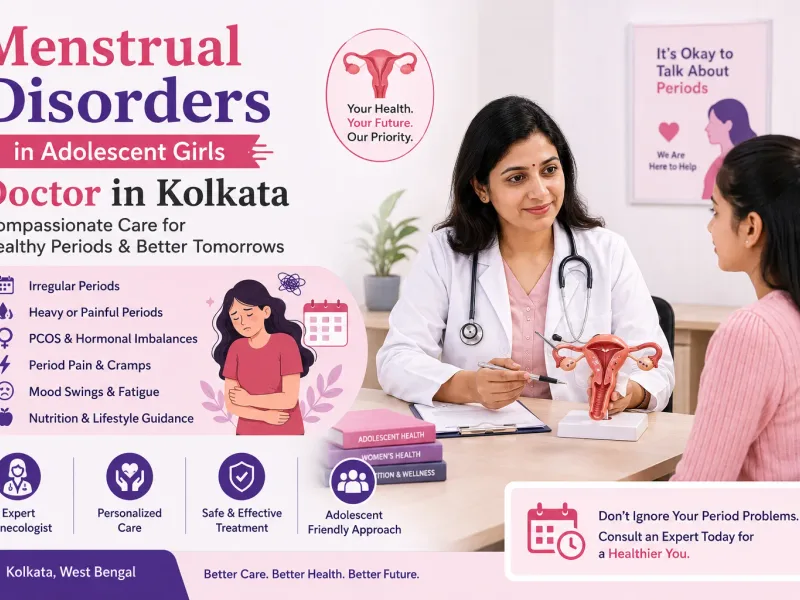
If you are searching for a Menstrual Disorders in Adolescent Girls Doctor in Kolkata, early evaluation by an experienced gynecologist can help identify the underlying cause of irregular or painful periods. While menstrual irregularities are common during the first few years after puberty, persistent
July 31, 2026
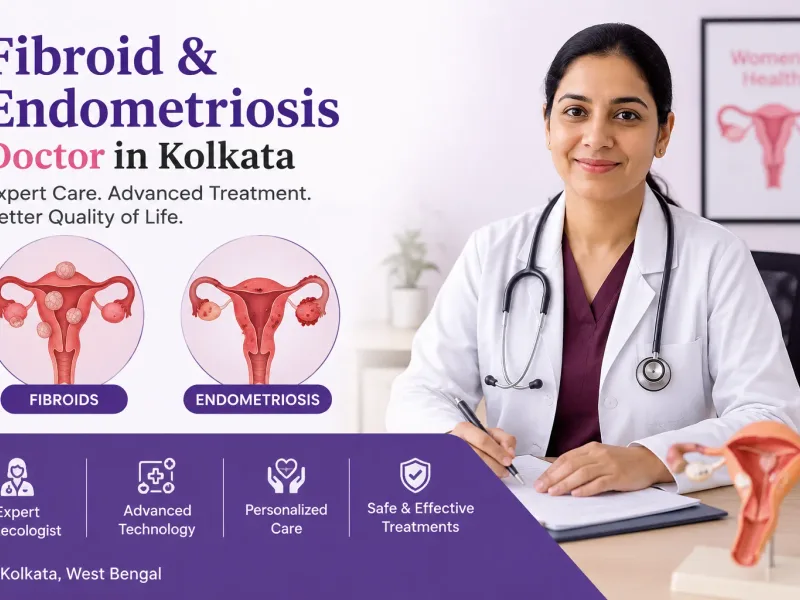
If you are searching for a Fibroid & Endometriosis doctor in Kolkata, choosing an experienced gynecologist with expertise in minimally invasive gynecological surgery is essential. Uterine fibroids and endometriosis are two common but different conditions that can cause pelvic pain, heavy menstrual b
July 31, 2026