

Emergency & Help
24/7 Emergency & General Advisory
🚨 24/7 Medical Emergency
Non-Emergency Advisory
10:00 AM – 6:00 PM, Mon–Sat
For appointments & general queries.
24/7 Emergency & General Advisory
🚨 24/7 Medical Emergency
Non-Emergency Advisory
10:00 AM – 6:00 PM, Mon–Sat
For appointments & general queries.
Explore the services, facilities, and patient experience at Danapur's government hospital. Essential information for residents.
Public sector healthcare establishments form the cornerstone of public health provision across India; Danapur exemplifies this national trend. These institutions are indispensable for delivering accessible and economical health support to a substantial portion of the community.
For many kinds of needs, from regular examinations to vital emergency procedures, numerous local residents depend on these institutions. Despite frequently managing a considerable patient volume, these sites maintain their status as an essential community asset.
The state-run facility in Danapur provides a broad array of clinical provisions, structured to address the varied requirements of the local populace. Among the typical offerings are:
Navigating a busy public health establishment can, at times, feel overwhelming. Long queues are quite common, particularly during peak hours. However, understanding the established process can significantly streamline an individual's visit.
Registration typically commences early in the morning. Having identification and any pertinent health documents prepared will assist the administrative personnel. In practical terms, an early arrival is usually the most effective strategy.
This is where most patients struggle.
Beyond general provisions, the Danapur public health facility frequently houses specialized departments. These units are staffed by physicians and nurses possessing focused expertise.
While the availability of specific specialists may vary, core areas like internal medicine, pediatrics, and surgery are generally covered. For highly specialized procedures or particularly complex cases, those affected may receive referrals to larger tertiary care centers, which is standard practice within many healthcare networks.
The General Medicine department addresses a broad spectrum of adult illnesses. This encompasses the management of chronic conditions, such as diabetes and hypertension, alongside acute infections.
General Surgery performs typical surgical procedures, ranging from appendectomies to hernia repairs. Experienced surgeons meticulously work to provide dependable care.
A primary objective is caring for the youngest members of our community. The Pediatrics department manages childhood illnesses and developmental concerns.
Neonatology focuses specifically on the care of newborn infants, particularly those born prematurely or presenting with health complications. The overarching goal consistently involves enhancing infant survival rates.
This critical department supports women's health throughout their lifespan. It offers essential provisions for pregnant individuals, including regular check-ups and ensuring safe delivery. Gynecological consultations address a variety of women's health issues. We frequently observe a high demand for these specialized care options.
The emergency department functions as the frontline unit of the facility for critical situations. It is equipped to stabilize individuals suffering from accidents, heart attacks, strokes, and other life-threatening conditions.
And yet, so many people miss it.
Prompt assessment and swift intervention are paramount. This signifies that, in a dire health emergency, this unit serves as the initial point of contact for sufferers.
For successful treatment, an accurate diagnosis is indispensable. The facility's diagnostic wing typically incorporates a pathology laboratory for blood and urine analyses.
Imaging provisions, such as X-rays, are also commonly available to assist physicians in identifying internal issues. While advanced imaging modalities like CT or MRI might have limited availability, these fundamental diagnostics are crucial for an initial patient evaluation.
Operating with finite resources and a high influx of those affected presents genuine difficulties for both staff and those seeking care. Public sector health facilities frequently contend with challenges such as infrastructural limitations and a scarcity of specialized equipment. Nevertheless, continuous efforts are being made to enhance the quality of care provisions.
Initiatives like the National Health Mission aim to reinforce primary and secondary healthcare structures, thereby bolstering the entire system. The unwavering commitment of the clinical personnel, despite these formidable hurdles, is truly commendable.
Many public health facilities, including potentially those situated in Danapur, are empanelled under the Ayushman Bharat scheme. This vital health insurance program offers financial safeguards to vulnerable families.
That alone changes everything.
It allows eligible individuals to receive cashless approach at empanelled care centers for specific procedures. Individuals who qualify should thoroughly understand the benefits available to them under this scheme.
For conditions necessitating highly specialized attention not available locally, individuals may be provided with referrals. These referrals guide individuals toward higher-tier health centers, often within the state's public health network.
This structured, tiered approach ensures that those affected receive appropriate care, with escalation occurring as required. The overarching objective is to achieve the best possible outcome for every individual.
The public health facility in Danapur stands as a pillar of patient care for the local populace. It extends essential provisions, ranging from primary attention to emergency interventions, striving always to make healthcare accessible. While challenges persist, the dedication of its personnel and the ongoing endeavors towards improvement render it an indispensable asset to the community.
That's the part worth remembering.
We advocate for the responsible utilization of these facilities and encourage their sustained strengthening. Always consult a qualified physician before making health-related decisions.
Visiting hours are usually fixed and are subject to variation. Generally, specific periods in the afternoon and evening are designated for visitors to see admitted people. It is recommended to verify the exact timings with the facility's administration or nursing station upon arrival.
Yes, public sector health facilities frequently provide free essential medicines to individuals through Jan Aushadhi Kendras or the facility's pharmacies, contingent on stock availability and existing state schemes. While a wide array of medications is typically offered, certain specific or very costly drugs might, at times, be limited.
Registration generally involves visiting the facility's registration counter early in the morning, completing a form, and presenting identification. Some public health facilities are also integrating online or app-based registration systems; therefore, inquiring about digital options available at the Danapur establishment is advisable.
For admission, individuals will typically require a valid photo identification (such as an Aadhaar card or Voter ID), a referral letter if applicable, and any relevant health records or prior prescriptions. For schemes like Ayushman Bharat, the scheme card or pertinent details will be necessary.
The numbers don't lie.
Visit Hospital
Near You
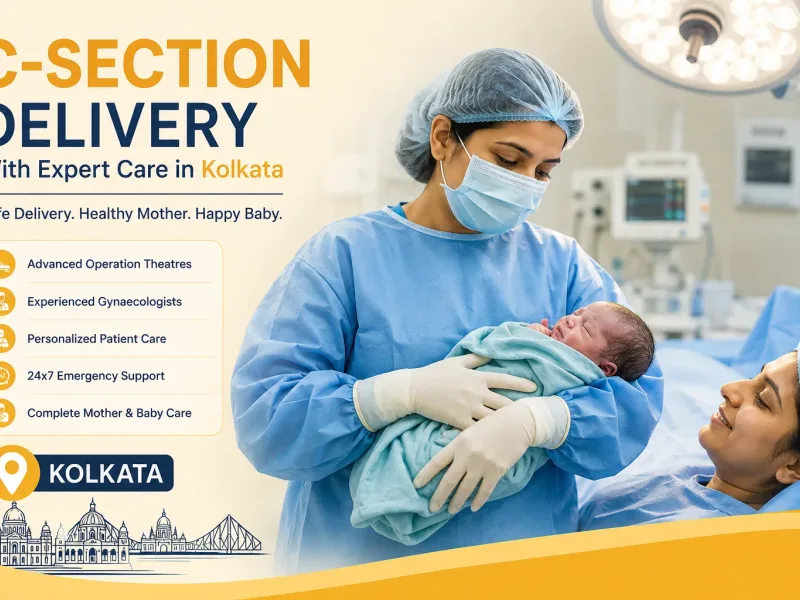
A cesarean section (C-section) is a surgical delivery in which a baby is born through an incision in the mother's abdomen and uterus. In Kolkata, several experienced obstetricians and well-equipped hospitals offer C-section services for planned and emergency deliveries. Understanding when a C-sectio
July 31, 2026
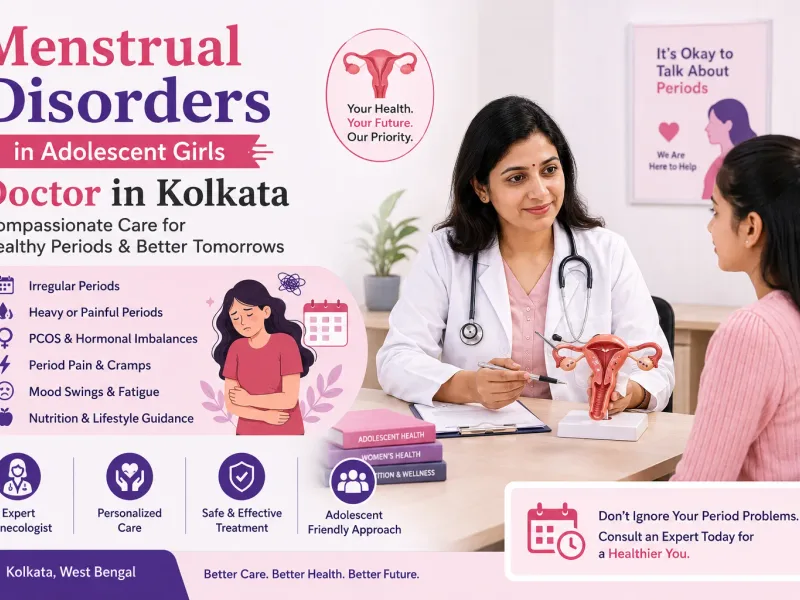
If you are searching for a Menstrual Disorders in Adolescent Girls Doctor in Kolkata, early evaluation by an experienced gynecologist can help identify the underlying cause of irregular or painful periods. While menstrual irregularities are common during the first few years after puberty, persistent
July 31, 2026
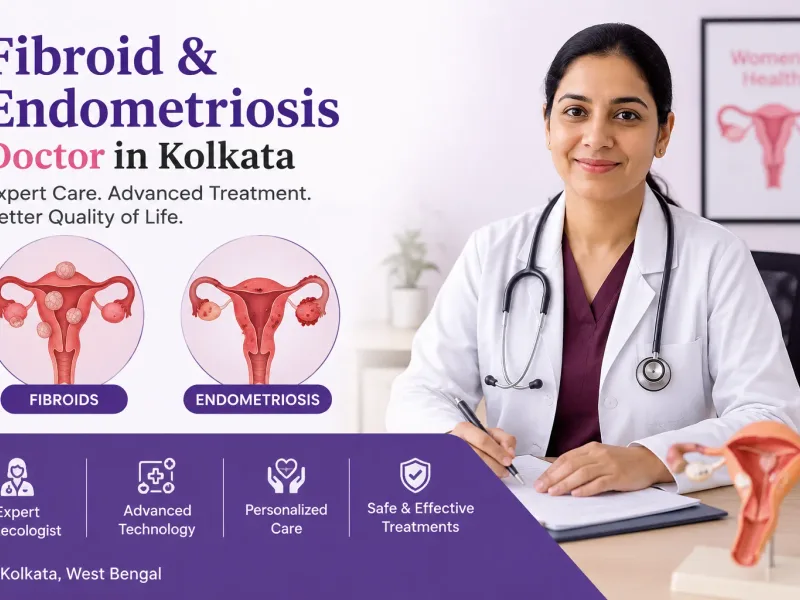
If you are searching for a Fibroid & Endometriosis doctor in Kolkata, choosing an experienced gynecologist with expertise in minimally invasive gynecological surgery is essential. Uterine fibroids and endometriosis are two common but different conditions that can cause pelvic pain, heavy menstrual b
July 31, 2026